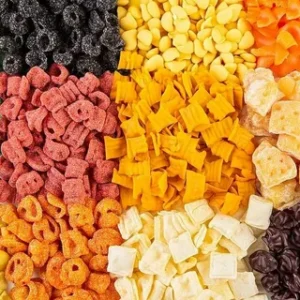
Ultra-Processed Foods Raise Heart Attack Risk 67%: The 2026 Definitive List of What to Cut
You didn’t expect a frozen burrito to be your heart’s enemy. But here we are.
A landmark study published just weeks ago by the American College of Cardiology has turned a lot of dinner plates upside down, and the findings are hard to ignore. If you eat out regularly, grab packaged snacks on the go, or have ever been tempted by a drive-through line (no judgment), this post was written for you.
Introduction
Most of us grew up thinking the problem with unhealthy food was obvious: greasy burgers, giant sodas, obvious junk. If it looked bad, it was bad. But what researchers have found over the last decade is far more unsettling. The danger isn’t always the deep-fried thing you know you shouldn’t be eating. It’s often the innocent-looking packaged soup, the “healthy” flavored yogurt, the granola bar with 22 ingredients you can’t pronounce.
These are ultra-processed foods, and they now account for more than half of all calories consumed by American adults. For children, that number exceeds 60%.
The field of nutrition has increasingly organized itself around a concept called the NOVA classification system, developed by Brazilian researchers at the University of Sao Paulo. NOVA sorts all food into four groups based on how much industrial processing it has undergone, from fresh fruits and vegetables at one end to factory-formulated food products packed with additives at the other. That fourth group, what researchers call ultra-processed foods (UPFs), is now at the center of one of the most urgent conversations in public health.
And the 2026 data on what these foods do to your heart is, frankly, alarming.
Disclaimer: The information in this article is intended for general educational purposes only and is not a substitute for professional medical advice. If you have existing heart conditions, high blood pressure, or other health concerns, please consult a qualified healthcare professional before making any significant dietary changes. Nutritional science continues to evolve, and individual health needs vary widely.
What Are Ultra-Processed Foods and Why Does the 2026 Heart Attack Research Matter?
The term “ultra-processed” sounds technical, but the concept is actually pretty simple. These are foods made predominantly in factories using industrial ingredients and additives that you would never find in a home kitchen. We’re talking about high-fructose corn syrup, hydrogenated oils, artificial flavors, emulsifiers, preservatives, and synthetic colorants, often combined in ways specifically engineered to make you want more.
In March 2026, the American College of Cardiology presented findings from one of the most significant cardiovascular studies in recent years. The research, published simultaneously in the journal JACC Advances, examined data from the Multi-Ethnic Study of Atherosclerosis and reached a striking conclusion: people who consume more than 9 servings of ultra-processed foods per day face a 67% higher risk of heart attack, stroke, or death from heart disease compared to those who eat just 1 serving per day. Moreover, cardiovascular risk climbs by more than 5% with every additional daily serving, and by more than 6% for Black Americans, a disparity that underscores how diet-related inequities compound in vulnerable populations.
This isn’t one outlier study. It builds on earlier research from February 2026, also presented at major cardiology conferences, showing that high UPF consumption is linked to a 47% higher risk of heart attack and stroke. The American Heart Association issued a comprehensive science advisory in late 2025 confirming that high UPF intake is “consistently linked to negative health outcomes.” The U.S. Dietary Guidelines for Americans 2025 to 2030 included, for the first time ever, a sweeping recommendation to avoid “highly processed” foods as a category.
We are now well past the point where this can be dismissed as fringe nutritionism.
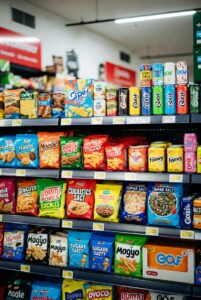
The Hidden Oils and Fats Lurking in Ultra-Processed Restaurant Food
One of the sneakiest things restaurants do, especially fast-food and fast-casual chains, is cook with industrial fats that you’d never choose for yourself at home. Partially hydrogenated oils (which produce artificial trans fats) were largely phased out in the US after FDA action in 2018, but heavily refined seed oils used at extreme temperatures remain a significant concern.
Deep fryers in commercial kitchens often use the same oil repeatedly across entire shifts. Over time, repeated high-heat exposure causes these oils to degrade and produce oxidation byproducts that promote inflammation in the body. According to nutrition researchers, eating less fried food is one of the most impactful things you can do for your cardiovascular health. This isn’t because seed oils are inherently toxic (the science on that is actually more nuanced than social media suggests), but because the conditions in which they’re used commercially make them far more problematic than what you’d use at home.
Watch out for:
- Anything deep-fried or “crispy” on a restaurant menu, which almost certainly involves repeatedly reheated refined oil.
- Packaged sauces and dressings added to restaurant dishes, which often contain emulsifiers and refined oils as base ingredients.
- “Grilled” items at fast-food chains, which may still be marinated or finished with processed fats.
The rule of thumb: the more a restaurant depends on speed and consistency, the more likely its kitchen relies on industrial fats and additives to deliver that.
Sodium Overload: Why Restaurant Meals Hit Your Heart Twice as Hard
If ultra-processed ingredients are the first attack on your cardiovascular system, excessive sodium is the second, and restaurant food delivers both at once.
According to the FDA, the average American consumes approximately 3,400 milligrams of sodium per day, which is nearly 50% more than the recommended daily limit of 2,300 milligrams. More than 70% of that sodium doesn’t come from the salt shaker on your table. It comes from processed, packaged, and restaurant-prepared foods. And here’s where it gets worse: studies show that meals at full-service restaurants average a staggering 3,312 milligrams of sodium per meal, which is 144% of your recommended daily limit in a single sitting. Even fast-food meals average around 1,751 milligrams.
High sodium raises blood pressure, a major risk factor for both heart attack and stroke. When you’re eating out regularly and consuming ultra-processed packaged foods on top of that, the cumulative sodium effect on your heart can be dramatic.
The deceptive part is that sodium hides in places you’d never expect:
- Sandwich bread and burger buns (often 300 to 500 mg per serving).
- Soups and stews (one bowl can easily top 1,500 mg).
- Chicken marinades, even for “healthy” grilled items.
- Pizza, mixed dishes, and anything labeled “savory.”
- Sauces, gravies, and restaurant salad dressings.
Added Sugars in Disguise: The Ultra-Processed Food Trap in Sauces and Dressings
You might skip the soda and feel virtuous ordering water. But if your “healthy” salad comes drenched in a pre-made honey-mustard dressing, you may have just consumed the equivalent of two sugar packets without realizing it.
Research from the American Heart Association shows that added sugar in the diet is linked to increased triglyceride levels, inflammation, and higher cardiovascular disease risk. The problem with restaurant food isn’t just that desserts are sugary. It’s that sugar, often in the form of high-fructose corn syrup or other industrial sweeteners, is added to sauces, marinades, dressings, breads, and even savory items like burger patties and coleslaw.
Ultra-processed foods by definition contain sugars and sweeteners that you’d never use at home: maltodextrin, dextrose, invert sugar, fruit juice concentrates, and others. These additives are specifically designed to make food hyperpalatable, meaning more addictive and harder to stop eating. They also spike blood sugar rapidly, triggering inflammation and stress on the cardiovascular system over time.
Common sugar bombs hiding in plain sight at restaurants:
- BBQ sauce (often 10 to 16 grams of sugar per serving).
- Teriyaki and sweet chili glazes.
- “Light” dressings (manufacturers often add sugar when they remove fat).
- Restaurant smoothies and fruit juices (marketed as healthy, often 40 to 60 grams of sugar).
- Flavored rice, stir-fry sauces, and many “healthy bowl” toppings.
Ultra-Processed Ingredients by Another Name: How to Read What You’re Actually Eating
Here is the uncomfortable reality of ultra-processed foods: most people eat them every day without knowing it. The NOVA classification defines a food as ultra-processed if it contains at least one ingredient characteristic of industrial formulation, including things like hydrolyzed proteins, modified starches, flavor enhancers, emulsifying salts, coloring agents, foaming or gelling agents, and chemical preservatives like sodium benzoate.
A practical guide from the National Institutes of Health explains that the simplest way to identify a UPF is to scan the ingredients list. If it contains substances you would not find in a typical home kitchen, it’s almost certainly ultra-processed.
Some easy tells to look for on ingredient labels:
- High-fructose corn syrup or any “syrup” as a sweetener.
- “Modified” anything (modified starch, modified corn starch, modified food starch).
- Hydrolyzed proteins (commonly used in soups, seasonings, and snack coatings).
- Emulsifiers like soy lecithin, carrageenan, or polysorbate 80.
- Artificial flavors, colors, or “natural flavors” (which can mean almost anything).
- Preservatives like sodium benzoate, BHA, or BHT.
- Interesterified or hydrogenated oils.
These aren’t rare exotic chemicals found only in obviously junky food. They appear in mass-produced whole-grain breads, flavored yogurts, protein bars, plant-based meat alternatives, and virtually all fast-food items, including the ones marketed to health-conscious consumers.
Portion Distortion: How Restaurant Serving Sizes Are Engineered Against Your Health
Even if a restaurant meal used only wholesome, minimally processed ingredients, the portions served at most chains would still be a problem. Over the past few decades, restaurant portion sizes have grown dramatically compared to what nutritionists would consider appropriate.
This matters for the ultra-processed food discussion in a specific way. Because UPFs are engineered to be hyperpalatable and calorie-dense (approximately 378 calories per 100 grams, compared to around 68 calories per 100 grams for whole foods), even a “normal” portion of a UPF-heavy dish delivers far more calories, sodium, and additives than your body was designed to process in one sitting.
Consider what happens at a typical fast-casual restaurant:
- A large soda adds 300 to 500 calories and no nutritional value.
- A single “starter” portion of loaded fries can run 700 to 1,000 calories.
- A restaurant-sized pasta dish can contain 2 to 3 times a standard serving’s worth of refined carbs.
- A dessert “to share” often has more calories than the main course.
The FDA notes that for the average adult, eating just one meal away from home each week translates to roughly 2 extra pounds of weight gain per year. That’s 10 pounds over 5 years from one weekly restaurant visit. When you’re eating out 3 to 5 times a week, as many people do, the numbers compound quickly.
The Lack of Nutritional Transparency and What It Costs You
Restaurants in the US with 20 or more locations are required by FDA regulations to post calorie counts on menus. But calories are only one piece of the picture. Sodium, saturated fat, added sugar, and the presence of ultra-processed ingredients are rarely visible to the average diner, and independent restaurants face no labeling requirements at all.
This lack of transparency is a meaningful public health issue. A study examining the accuracy of restaurant calorie and sodium counts found that even among chains required to post nutrition information, the actual amounts in the food often differ from what’s listed. Independent restaurants, which make up the majority of food service outlets in the US, have been shown to rely on non-standardized recipes, making consistent nutritional analysis nearly impossible.
As a diner, this means:
- You have limited ability to verify what you’re actually eating unless you specifically request written nutrition information.
- “Healthy” labels and marketing (think: “fresh,” “natural,” “clean,” “light”) are not regulated with any specificity and can be applied to highly processed items.
- A dish described as “grilled salmon with vegetables” may still arrive with a processed sauce, refined oil, and sodium levels triple what you’d estimate.
- Many chains have been shown to exceed their own stated calorie counts by 10 to 20%.
The practical response to opacity is to ask questions, request sauces and dressings on the side, and default to the simplest preparation options available.
Foods That Appear Healthy but Are Ultra-Processed in Disguise
This is probably the most important section of this article, because it’s where most well-intentioned eaters get tripped up. The foods that are most dangerous from a UPF standpoint aren’t always the obvious offenders. It’s the items that wear a health halo that tend to cause the most cumulative harm.
Here are the biggest offenders that routinely fool health-conscious diners:
Restaurant smoothies and açaí bowls. These sound like the healthiest things on the menu. But a commercial smoothie often contains flavored syrups, fruit concentrates (a form of added sugar), pre-made bases with preservatives, and can top 80 grams of sugar in a large serving.
“Whole grain” wraps and flatbreads. At most chains, these contain modified starches, emulsifiers, dough conditioners, and artificial flavors. The whole grain content is often minimal. Don’t be fooled by the brown color.
Plant-based meat alternatives. Products like commercially produced veggie burgers and plant-based sausages are among the most heavily ultra-processed items available. They typically contain soy protein isolate, methylcellulose, modified starches, added colors, and long lists of additives to mimic the taste and texture of meat.
Flavored oatmeal. The plain oat itself is a whole food. But the pre-sweetened, pre-flavored instant versions served at fast-food chains contain high-fructose corn syrup, artificial flavors, and added sugars.
“Light” or “skinny” menu items. Removing fat from a product often requires adding starches, gums, emulsifiers, and sugar to maintain texture and palatability. A “skinny” frappuccino or “light” pasta can easily qualify as ultra-processed even at reduced calorie counts.
Deli-style and grilled chicken options. The chicken itself may be minimally processed, but it’s often injected with sodium solutions, marinated in processed sauces, or served with condiments packed with additives.
How Chronic Ultra-Processed Food Consumption Drives Cardiovascular Inflammation
To understand why ultra-processed foods are so harmful to heart health, it helps to understand the mechanism: inflammation.
Cardiovascular disease doesn’t happen overnight. It develops over years as low-grade, chronic inflammation slowly damages arterial walls, allowing plaques to build up in a process called atherosclerosis. Ultra-processed foods accelerate this process through several pathways at once.
First, excess sodium raises blood pressure, which stresses artery walls and damages their lining. Second, high added sugars drive elevated blood glucose and triglyceride levels, both of which are independently linked to atherosclerosis. Third, many food additives common in UPFs, including certain emulsifiers and preservatives, have been shown in research to disrupt the gut microbiome, which plays a significant role in systemic inflammation. Fourth, the low fiber content of most UPFs removes a natural brake on cholesterol absorption and blood sugar spiking. And fifth, the caloric density of UPFs makes overconsumption easy, driving obesity, which is itself a major cardiovascular risk factor.
As Dr. Michele Arthurs, a lifestyle medicine physician with Kaiser Permanente, explained in commentary on the 2026 ACC research: “Our body essentially has to fight with these foods in order to process them and get them through our system. And this leads to inflammation in the body.”
The cardiovascular system pays the cumulative price for every ultra-processed meal you eat over a lifetime.
The Definitive 2026 List: Ultra-Processed Foods to Cut or Drastically Reduce
Based on the NOVA classification system and the 2026 ACC research, here is a practical list of the ultra-processed foods most commonly consumed and most clearly linked to cardiovascular risk.
Beverages:
- Sugary sodas and diet sodas.
- Commercially produced fruit juices and “drinks.”
- Energy drinks and flavored sports drinks.
- Pre-made sweetened coffee and tea beverages.
- Commercial smoothies and frappuccinos.
Packaged Snacks and Breakfast Foods:
- Potato chips, corn chips, and most flavored crackers.
- Most packaged cookies, muffins, and pastries.
- Flavored instant oatmeal and most breakfast cereals.
- Granola bars and “energy” bars with more than 5 to 6 ingredients.
- Flavored popcorn.
Meat and Protein Products:
- Hot dogs, sausages, and bologna.
- Chicken nuggets, fish sticks, and breaded frozen proteins.
- Deli meats including packaged turkey, ham, and salami.
- Commercially produced plant-based meat alternatives.
- Canned meat products with additives.
Packaged Meals and Sides:
- Instant noodles and ramen.
- Frozen pizza and frozen “ready meals.”
- Packaged macaroni and cheese.
- Pre-made soups (most canned varieties).
- Most commercial bread and burger buns.
Sauces, Condiments, and Dressings:
- Commercial mayonnaise.
- Bottled BBQ sauce.
- Ketchup with high-fructose corn syrup.
- Most bottled salad dressings.
- Packaged seasoning mixes and gravy packets.
Dairy and Dairy Alternatives:
- Flavored yogurts with fruit at the bottom.
- Processed cheese slices and cheese spreads.
- Commercially produced ice cream and frozen desserts.
- Flavored milk drinks.
Step-by-Step Guide to Ordering Healthier Meals at Restaurants
The goal here isn’t to make eating out feel like a chore. It’s to give you a repeatable, practical framework that protects your health without requiring you to eat sad salads and sparkling water forever.
Step 1: Look up the nutrition information before you go. If you’re heading to a chain restaurant, most publish full nutrition data online. Spend 2 minutes checking sodium and added sugar levels for the items you’re considering. A little prep takes the guesswork out of ordering.
Step 2: Choose the simplest preparation available. Grilled over fried. Baked over breaded. Steamed over sautéed. The more steps involved in preparing a restaurant dish, the more opportunities for processed ingredients, refined oils, and excessive sodium to enter the picture. A grilled piece of protein with steamed vegetables is naturally lower in UPF content than a breaded, sauced, or marinated version of the same protein.
Step 3: Ask for sauces and dressings on the side. This one habit alone can dramatically reduce your intake of added sugars, sodium, and processed emulsifiers. You control how much goes on. Use a small amount or skip it entirely.
Step 4: Substitute where possible. Most restaurants will accommodate reasonable substitutions. Ask for steamed vegetables instead of fries. Request a side salad with oil and vinegar instead of a packaged dressing. Swap out a processed bread product for a lettuce wrap or simply eat the filling on its own.
Step 5: Skip the sugary beverages. This is probably the highest-leverage single change you can make when dining out. Water, sparkling water, unsweetened iced tea, or plain coffee eliminates one entire ultra-processed category from your meal before you’ve even ordered food.
Step 6: Watch portion sizes and don’t feel obligated to finish. Restaurant portions are designed to impress, not to calibrate your actual caloric needs. Order with the intention of eating until you’re satisfied, not until the plate is clean. Many dishes are easily shareable or make excellent next-day meals.
Step 7: At fast-food restaurants, look for the least processed protein option. A burger patty, grilled chicken breast, or bean filling can be a reasonable base. The danger zone is in the bun, the sauce, the processed cheese slice, and the sugary beverage. Build your order around a whole-food protein and customize from there.
Step 8: When in doubt, choose the most recognizable ingredients. If you can picture the raw ingredients of a dish growing in a garden or walking around on a farm, it’s probably on the better end of the processing spectrum. If the dish sounds like it was assembled in a factory (instant, flavored, blended, reconstructed), approach with caution.
Step 9: Don’t treat this as all-or-nothing. One restaurant meal, even a heavily processed one, is not going to determine your cardiovascular health. Patterns over time are what matter. The goal is to reduce frequency and make smarter choices when you do eat out, not to achieve perfection or feel guilty about every bite.
Comparison Table: Restaurant Meals vs. Home-Cooked Equivalents
| Dish | Restaurant Version (Typical) | Home-Cooked Equivalent | Key Differences |
|---|---|---|---|
| Chicken sandwich | ~1,500 mg sodium, breaded, refined oil, processed bun | ~400 mg sodium, grilled, whole grain bread | 275% more sodium, added trans fat risk |
| Caesar salad | ~1,100 mg sodium, processed dressing with emulsifiers | ~300 mg sodium, homemade dressing | Emulsifiers, excess sodium, hidden sugar |
| Pasta dish | ~2,000 mg sodium, 600+ calories, processed sauce | ~700 mg sodium, 350 calories, fresh tomato | Nearly 3x the sodium, more additives |
| Smoothie (large) | ~70g sugar, 400+ calories, fruit concentrates used | ~25g natural sugar, 200 calories, whole fruit | Massive sugar spike vs. natural fiber buffer |
| Veggie burger | Soy protein isolate, methylcellulose, 900 mg sodium | Bean patty, whole ingredients, ~350 mg sodium | Heavy UPF classification vs. minimally processed |
| French fries | ~700 mg sodium, repeatedly reheated refined oil | ~150 mg sodium, oven-roasted, light olive oil | Oxidized oil exposure, 4x+ sodium |
| Breakfast burrito | ~1,300 mg sodium, processed tortilla, pre-made filling | ~400 mg sodium, egg, vegetables, minimal processing | Processing layers multiply sodium dramatically |
| Soup (restaurant bowl) | ~1,800 mg sodium, thickeners, preservatives | ~500 mg sodium, fresh broth and vegetables | Sodium alone exceeds recommended daily target |
Nutritional values are approximate and based on averages reported by major chain restaurants and standard home recipes.
Conclusion
Here’s what the 2026 research tells us, stripped of all the jargon: the more ultra-processed food you eat, the harder your heart has to work, and the more damage accumulates over time. Not because eating out is inherently wrong. Not because every packaged food is poison. But because a diet built around industrially formulated, additive-laden, high-sodium, high-sugar products is a slow, steady tax on your cardiovascular system.
The science now has a number attached to it: 67% higher risk of heart attack, stroke, or cardiac death for people consuming nine or more servings of ultra-processed foods per day. That’s not a marginal increase. That’s a dramatic one, and it came from a rigorous, peer-reviewed study of a large, diverse population.
The good news is that this is one of the most modifiable risk factors in existence. You don’t need a prescription, a procedure, or a dramatic lifestyle overhaul to start making a difference. You need information, which you now have, and small, consistent choices made over time.
Eating out can still be joyful, social, and delicious. The trick is to know what you’re actually eating when you sit down at that table or pull up to that drive-through window.
Your heart, it turns out, is paying very close attention to every meal.
CTA
Share this article with someone who eats out three or more times a week. Most people have no idea that a single restaurant meal can contain more sodium than your body needs in an entire day, or that the “healthy” salad is often dressed in a product built on industrial additives. Knowledge travels well when it’s shared.
Read next:
- “The Definitive Mediterranean Diet Guide for Cardiovascular Health in 2026”
- “How to Read a Nutrition Label in 60 Seconds (And Actually Understand It)”
- “The Grocery Store Aisle by Aisle: Which Foods to Prioritize and Which to Skip”
Drop a comment below: What’s the one food from this list that surprised you most? Have you made any changes to how you order at restaurants? We’d love to hear from you.
Sources and further reading:
- JACC Advances (March 2026): “Association Between Ultraprocessed Food Consumption and Cardiovascular Disease Risk: MESA.” DOI: 10.1016/j.jacadv.2025.102516
- American Heart Association Science Advisory: “Ultraprocessed Foods and Their Association With Cardiometabolic Health.” Circulation, September 2025.
- U.S. FDA Sodium Reduction in the Food Supply data and Dietary Guidelines for Americans 2025-2030.
- Johns Hopkins Bloomberg School of Public Health: “What Are Ultra-Processed Foods?” December 2025.