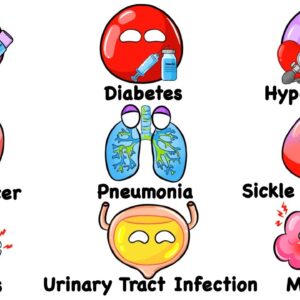
Beat Disease: The Powerful Anti-Inflammatory Diet Guide
You wake up stiff, foggy, and exhausted, and you assume that’s just life. But what if that low-grade misery has a name, a cause, and a surprisingly delicious solution?
Chronic inflammation is the silent engine behind some of the most devastating diseases of our time: heart disease, type 2 diabetes, Alzheimer’s, arthritis, and even certain cancers. The remarkable thing is that your fork might be more powerful than your pharmacy. The anti-inflammatory diet isn’t a trend or a fad with a celebrity face and a $90 supplement stack attached to it. It’s a way of eating backed by decades of rigorous science, and it’s quietly transforming how millions of people manage their long-term health.
This guide will walk you through every major pillar of the anti-inflammatory diet, explain why chronic inflammation is so dangerous, and give you the practical, no-nonsense tools to start making smarter food choices today. Whether you’re managing a diagnosed condition, trying to prevent one, or simply curious about why your body feels the way it does, this is for you.

What the Anti-Inflammatory Diet Actually Means (And What It Doesn’t)
Let’s get one thing straight before diving in: the anti-inflammatory diet is not a single rigid protocol handed down from a mountaintop. It’s a broad, evidence-based framework for eating in a way that dials down your body’s inflammatory response over time.
Think of inflammation as your immune system’s fire alarm. A short burst is healthy and necessary, like when you cut your finger and the area swells and heals. But when that alarm never turns off, when inflammation becomes chronic and systemic, it starts burning down the house from the inside.
The anti-inflammatory diet focuses on:
- Whole, minimally processed foods that supply antioxidants and phytonutrients
- Healthy fats, especially omega-3 fatty acids, that actively reduce inflammatory signaling
- Fiber-rich plant foods that support a diverse, balanced gut microbiome
- Limiting or eliminating ultra-processed foods, refined sugars, and industrial seed oils that amplify inflammation
It overlaps significantly with the Mediterranean diet and the DASH diet, both of which have strong evidence bases for cardiovascular and metabolic health. If you’ve eaten along those lines before, you’re already ahead.
Why Chronic Inflammation Is the Root Cause of So Many Modern Diseases
Here’s a sobering fact: according to the World Health Organization, chronic diseases linked to inflammation account for more than 70% of all deaths globally. That’s not a statistic to scroll past.
Chronic low-grade inflammation acts like a slow leak in your plumbing. You don’t see the water damage immediately, but over years and decades, it warps the structure of your cells, tissues, and organs. The link between systemic inflammation and disease isn’t theoretical. It’s well-established in the scientific literature.
Key diseases directly tied to chronic inflammation include:
- Cardiovascular disease — inflammation damages arterial walls and promotes plaque buildup
- Type 2 diabetes — inflammatory cytokines interfere with insulin signaling, worsening insulin resistance
- Alzheimer’s disease — neuroinflammation is now considered a core mechanism, not just a side effect
- Rheumatoid arthritis — the immune system’s inflammatory attack targets the joints directly
- Colorectal cancer — chronic gut inflammation can accelerate cellular mutations
- Depression and anxiety — emerging research links elevated inflammatory markers with mood disorders
The good news is that food-driven changes in inflammation can happen relatively quickly. Some studies show measurable reductions in inflammatory biomarkers like C-reactive protein (CRP) within as few as six to eight weeks of dietary changes.
The Anti-Inflammatory Diet’s Most Powerful Foods for Reducing Chronic Disease Risk
Not all superfoods are created equal, and the internet has been guilty of elevating some very ordinary foods to mythical status. So let’s focus on what the science actually supports as the most effective dietary choices for reducing inflammation and chronic disease risk.
Fatty Fish: Your Omega-3 Powerhouse
Salmon, sardines, mackerel, herring, and anchovies are among the most potent anti-inflammatory foods you can eat. Their secret weapon is EPA and DHA, the long-chain omega-3 fatty acids that your body uses to manufacture compounds called resolvins and protectins, which literally resolve inflammatory responses at the cellular level.
Most Western diets are severely skewed toward omega-6 fatty acids (found in processed vegetable oils) and deficient in omega-3s. This imbalance, some researchers estimate is as high as 20:1 omega-6 to omega-3 in the average American diet, tips the body’s inflammatory balance in a dangerous direction. Eating fatty fish two to three times per week is one of the most impactful dietary adjustments you can make.
- Best choices: Wild-caught salmon, Atlantic mackerel, sardines packed in olive oil, anchovies
- Practical tip: Canned sardines and anchovies are affordable, shelf-stable, and just as effective as fresh
- What to avoid: Farmed tilapia and catfish, which have poor omega-3 to omega-6 ratios
Extra-Virgin Olive Oil: Liquid Gold for Your Arteries
The Mediterranean diet’s crown jewel is extra-virgin olive oil (EVOO), and it’s earned its reputation. EVOO contains a compound called oleocanthal, which works similarly to ibuprofen in inhibiting the COX-1 and COX-2 inflammatory enzymes. That’s not a metaphor. That’s biochemistry.
A high-quality extra-virgin olive oil consumed daily has been shown in multiple large trials to reduce markers of cardiovascular inflammation significantly. The landmark PREDIMED trial, which followed over 7,000 participants, found that those assigned to a Mediterranean diet supplemented with EVOO had a 30% lower risk of major cardiovascular events compared to a low-fat control group.
- How to use it: As your primary cooking fat for low-to-medium heat cooking, generously drizzled on salads, vegetables, and bread as a finishing oil
- What to look for: Cold-pressed, dark bottle, harvest date within the past year, ideally single-origin
How Colorful Vegetables and Fruits Fight Inflammation at the Cellular Level
If there’s one principle that unites virtually every evidence-based dietary pattern associated with longevity and reduced chronic disease risk, it’s this: eat more plants, and eat them in as many colors as possible.
The pigments that give vegetables and fruits their vivid colors are often the very compounds responsible for their anti-inflammatory effects. Anthocyanins in blueberries and red cabbage, lycopene in tomatoes, lutein in leafy greens, and beta-carotene in carrots and sweet potatoes are all members of a broad class of compounds called phytonutrients, plant-produced chemicals that humans have co-evolved with for hundreds of thousands of years.
These compounds work in several overlapping ways:
- They neutralize free radicals, unstable molecules that damage DNA and cell membranes and trigger inflammatory cascades
- They modulate NF-kB, a protein complex that acts as a master switch for inflammatory gene expression
- They support detoxification pathways in the liver, helping the body process and eliminate inflammatory byproducts
The Best Anti-Inflammatory Vegetables and Fruits
Leafy greens (spinach, kale, Swiss chard, arugula): These are among the most nutrient-dense foods on the planet. They supply magnesium (deficiency of which is linked to elevated inflammation), vitamin K (which regulates inflammatory proteins), and a broad spectrum of antioxidants. Aim for at least two servings daily.
Berries (blueberries, strawberries, raspberries, blackberries): Regularly eaten berries are associated with reduced CRP levels and better cardiovascular outcomes. A cup a day is not an excessive goal and is certainly more pleasant medicine than most alternatives.
Cruciferous vegetables (broccoli, cauliflower, Brussels sprouts, cabbage): These contain sulforaphane, a compound that activates the Nrf2 pathway, one of the body’s most important internal antioxidant defense systems. Lightly steam or eat slightly raw for maximum sulforaphane activation.
Tomatoes: Cooked tomatoes deliver more bioavailable lycopene than raw ones, making tomato sauce and roasted tomatoes particularly powerful anti-inflammatory choices.
The Anti-Inflammatory Diet Role of Whole Grains, Legumes, and Gut Health
Here’s something that surprises most people: your gut microbiome is one of the most influential regulators of your body’s inflammatory state. The trillions of bacteria that live in your large intestine communicate constantly with your immune system, and what you feed them directly shapes whether they push your inflammation up or down.
Fiber is the primary food source for beneficial gut bacteria. When these bacteria ferment fiber, they produce short-chain fatty acids (SCFAs) like butyrate, propionate, and acetate. These SCFAs have powerful anti-inflammatory effects, literally signaling the gut lining to maintain its integrity and the immune system to stay calm.
The average American consumes roughly 15 grams of fiber per day. The recommended minimum is 25 to 38 grams. The optimal amount for gut microbiome diversity may be even higher, closer to 50 grams for those who can tolerate it.
Best Fiber Sources for an Anti-Inflammatory Diet
Whole grains:
- Oats (especially contain beta-glucan, a fiber with specific anti-inflammatory and cholesterol-lowering properties)
- Quinoa (a complete protein and good source of magnesium)
- Brown rice and wild rice
- Barley (one of the highest beta-glucan contents of any grain)
- Farro and freekeh (ancient grains with excellent fiber and mineral profiles)
Legumes:
- Lentils (extraordinary fiber content, iron, and folate)
- Black beans, kidney beans, chickpeas
- Edamame (also a complete plant protein)
- Split peas
Legumes are also rich in polyphenols, which provide additional antioxidant activity beyond their fiber content. People who eat legumes four or more times per week have been shown in observational studies to have significantly lower CRP levels than those who rarely eat them.
Spices and Herbs: The Anti-Inflammatory Diet’s Secret Weapons
This is where the anti-inflammatory diet gets genuinely exciting, because spices aren’t just flavor, they’re pharmacology in edible form.
Turmeric and Curcumin
Turmeric has been used medicinally in Ayurvedic and traditional Chinese medicine for thousands of years, and modern science has finally caught up with the reasons why. Its active compound, curcumin, inhibits multiple inflammatory pathways simultaneously, including NF-kB, COX-2, and lipoxygenase enzymes.
The catch is that curcumin has poor bioavailability on its own. Combining it with black pepper (which contains piperine) increases its absorption by up to 2,000%. Always pair your turmeric with black pepper, whether in a curry, a golden milk latte, or a marinade.
Ginger
Ginger contains gingerols and shogaols, compounds that block the production of pro-inflammatory prostaglandins and cytokines. Clinical trials have shown ginger to be effective in reducing pain and inflammation associated with osteoarthritis, and it’s particularly well-studied for reducing exercise-induced muscle soreness.
Fresh grated ginger in tea, smoothies, stir-fries, and dressings is one of the simplest and most effective anti-inflammatory dietary additions you can make.
Other Heavy Hitters
- Rosemary: Contains carnosic acid, a potent antioxidant that crosses the blood-brain barrier and may be neuroprotective
- Cinnamon: Improves insulin sensitivity and reduces inflammatory markers in people with type 2 diabetes
- Garlic: Contains allicin, which modulates immune cell function and reduces levels of pro-inflammatory cytokines
- Oregano: One of the highest antioxidant activity levels of any herb or spice by weight
What the Anti-Inflammatory Diet Tells You to Limit or Avoid
You can’t talk about anti-inflammatory eating without addressing the other side of the equation: the foods that actively drive inflammation. And this list, while uncomfortable for some, is based on robust evidence.
Ultra-Processed Foods
Ultra-processed foods (UPFs) are industrial formulations containing ingredients you wouldn’t find in a home kitchen: emulsifiers, artificial flavors, high-fructose corn syrup, trans fats (still found in many processed products despite regulatory action), refined starches, and preservatives. These products make up more than 60% of calories consumed in the average American diet.
A landmark study published in The BMJ following over 100,000 participants found that each 10% increase in UPF consumption was associated with a 12% higher risk of cancer overall and an 11% higher risk of breast cancer specifically. The mechanisms are multiple, including direct inflammatory effects, disruption of the gut microbiome, and promotion of oxidative stress.
Refined Sugars and High-Fructose Corn Syrup
Sugar drives inflammation through several pathways:
- It spikes blood glucose, triggering the production of advanced glycation end products (AGEs), which are directly pro-inflammatory
- It feeds pathogenic gut bacteria (particularly Firmicutes species) at the expense of beneficial ones
- Fructose in particular is metabolized in the liver in ways that promote visceral fat accumulation, which itself functions as an inflammatory organ
Industrial Seed Oils
Refined soybean oil, corn oil, sunflower oil, and cottonseed oil are extremely high in omega-6 linoleic acid. In the context of an already omega-6-heavy diet, these oils amplify the inflammatory cascade. Replacing them with extra-virgin olive oil, avocado oil, and coconut oil for appropriate cooking temperatures is one of the most impactful kitchen swaps you can make.
Refined Carbohydrates
White bread, white rice, most commercial cereals, pastries, and crackers all rapidly convert to glucose in the bloodstream. This glycemic spike drives insulin production, promotes fat storage in visceral depots, and activates inflammatory signaling cascades. Swapping these for whole-grain equivalents is among the most well-studied dietary interventions for reducing metabolic inflammation.
The Anti-Inflammatory Diet and Specific Chronic Diseases: What the Research Shows
The evidence linking anti-inflammatory dietary patterns to reduced chronic disease risk isn’t theoretical. It’s clinical, longitudinal, and increasingly mechanistic. Let’s look at the specific disease areas where the data is most compelling.
Heart Disease
Cardiovascular disease remains the leading cause of death globally, and inflammation is now understood to be as important a driver as cholesterol levels, possibly more so. Elevated high-sensitivity CRP (hs-CRP) is an independent predictor of heart attack risk even in people with normal cholesterol profiles.
The anti-inflammatory diet reduces cardiovascular risk through multiple mechanisms: lowering LDL cholesterol and triglycerides, raising HDL cholesterol, reducing arterial inflammation and platelet aggregation, improving endothelial function, and lowering blood pressure.
Type 2 Diabetes
Insulin resistance, the defining feature of type 2 diabetes, is both caused by and causes chronic inflammation in a vicious feedback loop. Visceral fat tissue releases pro-inflammatory cytokines like TNF-alpha and IL-6, which directly impair insulin receptor signaling. An anti-inflammatory diet that reduces visceral fat and improves gut microbiome health can meaningfully improve insulin sensitivity even before significant weight loss occurs.
Alzheimer’s Disease and Cognitive Decline
The emerging “neuroinflammation hypothesis” of Alzheimer’s suggests that chronic brain inflammation, triggered by factors including poor diet, disrupted sleep, and gut dysbiosis, drives the pathological protein accumulation (amyloid plaques and tau tangles) seen in the disease rather than being merely a consequence of it.
The MIND diet, a hybrid of the Mediterranean and DASH diets specifically designed to support brain health, has been associated in observational studies with a 53% lower risk of Alzheimer’s disease in those who adhere to it strictly, and a 35% reduction even in moderate followers.
Arthritis and Autoimmune Conditions
Both osteoarthritis and rheumatoid arthritis involve inflammatory processes, and while the anti-inflammatory diet isn’t a substitute for medical treatment in severe cases, it’s increasingly recommended as a supportive intervention. Multiple randomized controlled trials have found that Mediterranean-style anti-inflammatory diets reduce pain scores, improve physical function, and lower inflammatory markers in arthritis patients.
Anti-Inflammatory Diet vs. Standard Western Diet: A Comparison
Understanding the difference between anti-inflammatory eating and the typical Western diet helps clarify why chronic disease rates are so much higher in populations that have adopted modern processed food patterns.
| Factor | Anti-Inflammatory Diet | Standard Western Diet |
|---|---|---|
| Primary fat source | Olive oil, fatty fish, avocados, nuts | Refined vegetable oils, butter, processed meats |
| Carbohydrate quality | Whole grains, legumes, vegetables | White bread, refined flour, sugary foods |
| Fiber intake | 35–50+ grams/day | 12–15 grams/day |
| Omega-3 to Omega-6 ratio | Approximately 1:4 or better | Often 1:20 or worse |
| Fruit and vegetable servings | 7–10+ servings/day | 1–3 servings/day |
| Processed food content | Minimal | 60%+ of total calories |
| Added sugar | Under 25 grams/day | 70–100+ grams/day |
| Gut microbiome diversity | High (supported by varied plant foods) | Low (reduced by UPFs and low fiber) |
| CRP levels (typical) | Low (under 1 mg/L) | Often elevated (1–3+ mg/L) |
| Chronic disease risk | Substantially reduced | Substantially elevated |
| Top disease associations | Longevity, cognitive health, metabolic wellness | Heart disease, T2D, certain cancers, neurodegeneration |
The contrast is stark. What’s remarkable is that these aren’t minor differences. They represent fundamentally different metabolic environments inside the body, one in which inflammation is periodically triggered and efficiently resolved, and one in which it smolders continuously for decades.
Practical Anti-Inflammatory Diet Meal Planning: A Week in Real Life
Theory is only useful when it translates to your actual plate. Here’s what a practical week of anti-inflammatory eating might look like, without being precious about it.
Breakfast Ideas
- Overnight oats with blueberries, chia seeds, walnuts, and a drizzle of raw honey
- Smoked salmon on whole grain toast with avocado and a squeeze of lemon
- Greek yogurt (full-fat, plain) with mixed berries, ground flaxseed, and cinnamon
- Vegetable frittata with spinach, tomatoes, and feta, cooked in olive oil
Lunch Ideas
- Big green salad with arugula, roasted beets, pumpkin seeds, sardines, and extra-virgin olive oil lemon dressing
- Lentil soup with turmeric, cumin, garlic, and a big handful of kale stirred in at the end
- Grain bowl with farro, roasted vegetables, chickpeas, tahini dressing, and fresh herbs
Dinner Ideas
- Baked salmon with a ginger-garlic glaze, served with roasted broccoli and wild rice
- Chicken thighs (skin-on, for the fat-soluble vitamins) with preserved lemon and olives, over cauliflower rice
- Black bean and sweet potato tacos in corn tortillas with avocado, red cabbage slaw, and a lime crema
Snacks
- A handful of mixed nuts (walnuts and almonds are particularly anti-inflammatory)
- Dark chocolate (85% or higher) with a small bunch of grapes
- Celery with almond butter and a sprinkle of cinnamon
- Hummus with sliced bell peppers and cucumber
The Anti-Inflammatory Diet and Alcohol: An Honest Conversation
No article on the anti-inflammatory diet would be complete without addressing alcohol, even if it’s slightly awkward dinner conversation.
Red wine, in particular, contains resveratrol, a polyphenol with studied anti-inflammatory properties, and this has been used to justify moderate drinking in some circles. The truth is more complicated.
Research published through the National Institutes of Health has increasingly shown that the former “J-curve” relationship between moderate alcohol consumption and health outcomes was likely confounded by the inclusion of former drinkers (many of whom quit due to illness) in the “non-drinker” comparison groups. When these confounders are properly controlled for, the beneficial signal largely disappears.
Current evidence suggests that even moderate alcohol consumption increases inflammatory markers and disrupts gut microbiome composition. If you enjoy wine or beer, that’s a personal choice, but it shouldn’t be positioned as a health strategy within an anti-inflammatory framework.
Supplements That Complement the Anti-Inflammatory Diet
Food first, always. But certain supplements have enough evidence to deserve a mention for those who can’t meet their needs through diet alone.
Fish Oil (Omega-3s)
If you don’t eat fatty fish two to three times per week, a high-quality fish oil supplement (1–3 grams of combined EPA and DHA daily) is the most evidence-backed supplement for systemic inflammation reduction. Look for products that are third-party tested for heavy metals and oxidation.
Vitamin D
Vitamin D functions more like a hormone than a vitamin, regulating immune function and inflammatory signaling. Deficiency is remarkably common globally, particularly in northern latitudes and in people with darker skin tones. Optimal levels (between 40 and 60 ng/mL) are associated with significantly lower inflammatory markers. Most adults benefit from 1,000 to 2,000 IU daily, though testing is advisable to personalize dosing.
Magnesium
Magnesium is involved in over 300 enzymatic reactions in the body, including many that regulate inflammatory pathways. The majority of adults in Western countries are estimated to be sub-optimally supplied. Magnesium glycinate or malate are the most bioavailable and well-tolerated forms.
Curcumin (Bioavailable Form)
If you want therapeutic doses of curcumin beyond what cooking with turmeric provides, look for supplements that use piperine (black pepper extract) or phospholipid complexes (like Meriva or BCM-95) to enhance absorption significantly.
How Long Does the Anti-Inflammatory Diet Take to Work?
One of the most common questions, and a fair one, is: how soon will I feel a difference?
The honest answer is that it depends on your baseline, your adherence, and what you’re measuring. But here’s a general timeline based on available research.
Within 2–4 weeks:
- Improved energy levels and reduced afternoon energy crashes
- Better digestive function and reduced bloating (as the gut microbiome begins to shift)
- Some people notice improved skin clarity and reduced joint stiffness
Within 6–8 weeks:
- Measurable reductions in hs-CRP and other inflammatory markers for many people
- Improved fasting blood glucose and triglyceride levels
- More stable mood and improved sleep quality (via gut-brain axis changes)
Within 3–6 months:
- Significant improvements in metabolic markers (HbA1c, lipid panel, blood pressure)
- Meaningful reductions in arthritis pain in those with inflammatory joint conditions
- Visible changes in body composition, particularly reduction in visceral fat
Long-term (1+ years):
- Sustained reduction in chronic disease risk
- Potentially slower biological aging (as measured by telomere length and epigenetic clocks in research populations)
- Cumulative cognitive benefits
The key point is that the anti-inflammatory diet is not a quick fix. It’s a long-term relationship with your body, and like most good relationships, it takes time to really show its value.
Common Mistakes People Make on the Anti-Inflammatory Diet
Even well-intentioned eaters make these errors. Knowing them in advance saves you weeks of wondering why things aren’t clicking.
Mistake 1: Going “gluten-free” thinking it’s automatically anti-inflammatory. Gluten-free processed foods are often higher in refined starches and sugars than their conventional counterparts. Unless you have celiac disease or a confirmed non-celiac gluten sensitivity, eliminating gluten while replacing it with ultra-processed alternatives is counterproductive.
Mistake 2: Overdoing healthy fats without managing total calories. Olive oil, nuts, and avocados are extraordinarily nutritious, but they’re also calorie-dense. Excess visceral fat is itself an inflammatory driver, so even healthy foods need to be consumed in appropriate quantities.
Mistake 3: Ignoring the liquid calories. Green smoothies made with fruit juice rather than whole fruit, fancy coffee drinks loaded with flavored syrups, and commercial “health” drinks can deliver enormous sugar loads. Hydration should primarily come from water, herbal teas, and black coffee.
Mistake 4: Treating it as all-or-nothing. According to Harvard’s T.H. Chan School of Public Health, dietary quality is better measured on a spectrum than as a binary pass/fail. A diet that’s 80% anti-inflammatory in its orientation is dramatically better than one that’s not. Perfect shouldn’t be the enemy of significantly better.
Mistake 5: Underestimating stress and sleep. Chronic psychological stress and poor sleep are among the most powerful drivers of systemic inflammation there are. The best anti-inflammatory diet in the world will be partially undermined by chronic cortisol elevation and sleep deprivation. Diet is one pillar of an anti-inflammatory lifestyle, not the entire building.
The Anti-Inflammatory Diet for Different Life Stages
Inflammation doesn’t affect everyone equally across the lifespan, and dietary needs shift accordingly.
For Young Adults (20s and 30s)
This is when dietary habits are established that will compound for decades. Building anti-inflammatory eating patterns now is like investing early: the returns are asymmetrically large. Focus on variety, fiber, omega-3s, and minimizing ultra-processed food consumption.
For Middle-Aged Adults (40s and 50s)
This is when many chronic conditions begin to manifest. Visceral fat accumulation accelerates, insulin sensitivity often declines, and inflammatory markers trend upward. This is the most critical window for dietary intervention, and the evidence for reversibility is strongest here.
For Older Adults (60s and Beyond)
Anti-inflammatory eating in older age is strongly associated with preserved cognitive function, reduced sarcopenia (muscle loss), better bone density outcomes, and lower all-cause mortality. Protein intake becomes particularly important alongside plant-rich eating to preserve muscle mass.
For Children and Adolescents
Establishing anti-inflammatory eating patterns in childhood is powerfully protective. Childhood obesity and adolescent ultra-processed food consumption are increasingly linked to early-onset metabolic inflammation that sets the trajectory for adult chronic disease.
The Anti-Inflammatory Diet and Exercise: A Synergistic Relationship
No discussion of the anti-inflammatory diet is complete without at least touching on movement, because the two interact in ways that multiply each other’s benefits rather than simply adding them together.
Exercise itself triggers a short-term acute inflammatory response, which is completely normal and healthy. Muscles release myokines during contraction, signaling molecules that have systemic anti-inflammatory effects when exercise is performed regularly. In other words, the temporary inflammation from a workout teaches your body to be better at resolving inflammation overall.
The problem is that in the absence of good nutrition, the recovery from exercise-induced inflammation is slower and less complete. This is why athletes who train hard but eat poorly often find themselves chronically inflamed, with elevated injury rates, sluggish recovery, and impaired performance despite significant fitness levels.
The anti-inflammatory diet supports exercise in several specific ways:
- Faster muscle recovery via omega-3 fatty acids and tart cherry compounds that reduce post-exercise soreness
- Better joint protection through anti-inflammatory compounds that buffer the mechanical stress of repetitive movement
- Improved mitochondrial function through magnesium, B vitamins, and polyphenols that support cellular energy production
- Reduced cortisol elevation after exercise, particularly when adequate carbohydrates from whole food sources are consumed post-workout
Even moderate, consistent movement, thirty to forty-five minutes of brisk walking five days per week, measurably lowers systemic inflammatory markers in sedentary adults. Pair that with an anti-inflammatory dietary pattern and you’re activating two of the most well-evidenced levers for chronic disease prevention simultaneously.
The practical implication: don’t wait until your diet is perfect to start exercising, and don’t wait until you’re exercising consistently to clean up your diet. Start both, imperfectly, and let the positive feedback loop build from there.
Conclusion: The Most Powerful Prescription May Be in Your Kitchen
The anti-inflammatory diet isn’t a magic cure. It won’t undiagnose a condition, and it’s not a replacement for medical care when medical care is needed. But it may be the most powerful preventive tool most people are chronically underusing.
What makes this framework genuinely exciting is its accessibility. You don’t need a prescription, a specialist referral, a fancy gym membership, or an expensive supplement protocol to start eating in ways that measurably reduce your chronic disease risk. You need a market, a modicum of curiosity, and the willingness to see your plate as something more than just fuel.
Every meal is a vote for the biological environment you want to create inside your body. The anti-inflammatory diet asks you to vote, consistently and deliberately, for resilience, for longevity, and for the quiet, unglamorous kind of health that means you’re still hiking, laughing, thinking clearly, and enjoying your life decades from now.
That’s not a small thing. That might be the biggest thing.
Or share this article with someone in your life who’s been told their inflammation markers are elevated and doesn’t quite know where to start. Sometimes the most valuable thing we can do for the people we care about is hand them a map.
This article is for informational purposes only and does not constitute medical advice. Always consult a qualified healthcare provider before making significant dietary changes, especially if you are managing a chronic health condition or taking medications.