The Complete Truth About Ozempic: 11 Life-Changing Benefits vs. 9 Terrifying Side Effects Nobody Is Talking About
If you’ve ever scrolled past a dramatic before-and-after photo on social media and wondered whether Ozempic is miracle drug or modern myth, this is the article you’ve been searching for.
By 2025, over 7 million Americans are using Ozempic or similar GLP-1 medications. Yet most people starting the drug know only half the story.
Introduction: The Drug That Changed Everything
There is a moment in every pharmaceutical revolution where a single drug leaps from the prescription pad onto the cultural stage. Ozempic hit that moment sometime around 2022, and it has never looked back. Celebrities whispered about it. Doctors debated it. Social media exploded with it. And the waiting lists at weight-loss clinics stretched for months.
But here’s the truth: Ozempic was never designed to be a weight-loss drug. It was originally approved in 2017 by the FDA as a treatment for type 2 diabetes. Its accidental rise to superstar status happened because patients began losing significant amounts of weight, and the world noticed.
The active ingredient is semaglutide, a man-made version of a hormone called GLP-1, which stands for glucagon-like peptide-1. Your gut naturally releases GLP-1 after you eat. It signals your pancreas to release insulin, tells your liver to slow down glucose production, and, critically, tells your brain that you are full. Ozempic mimics all of those signals, but with a much longer duration of action, meaning a single weekly injection can keep those hormonal conversations going all week long.
The science is genuinely impressive. The human stories are often remarkable. But Ozempic is also a powerful medication with a serious list of potential risks, some of which the mainstream conversation conveniently glosses over.
This article gives you the complete picture. No sugarcoating, no pharmaceutical spin, no fearmongering either. Just a clear, honest, research-backed breakdown of what Ozempic can do for you and what it might do to you.
What Exactly Is Ozempic and How Does It Work?
Before diving into benefits and risks, it helps to understand the basic mechanics. Ozempic works by binding to GLP-1 receptors throughout your body. Those receptors exist not just in the pancreas but also in the brain, the heart, the kidneys, and the gastrointestinal tract.
When the drug activates those receptors, several things happen at once. Your pancreas releases more insulin in response to meals, which brings blood sugar down. Your liver releases less glucose into the bloodstream. Your stomach empties more slowly, which keeps you feeling fuller for longer. And perhaps most powerfully, hunger signals in the brain are dramatically reduced.
One 2025 study found that Ozempic users reported a 70% reduction in hunger-related thoughts and an 85% decrease in food cravings compared to non-medication approaches. That is not a minor adjustment to appetite. That is a fundamental rewiring of the brain’s relationship with food.
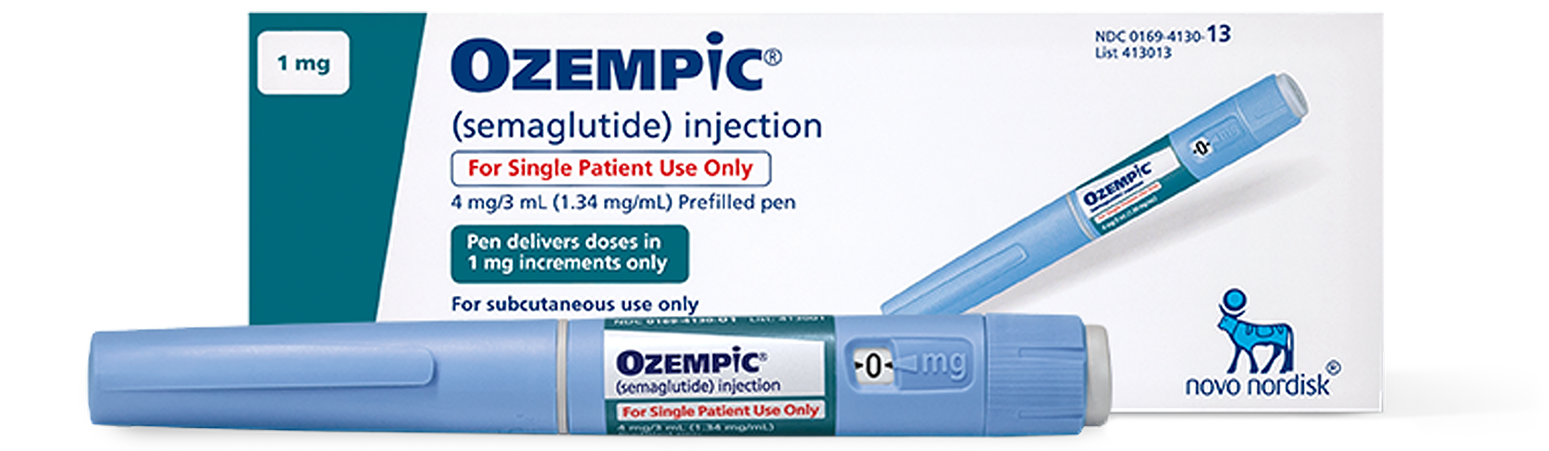
Ozempic is given as a once-weekly subcutaneous injection, meaning you inject it just under the skin of your abdomen, thigh, or upper arm using a prefilled pen. Patients typically start at 0.25 mg per week and gradually increase the dose over several months to minimize side effects.
The 11 Life-Changing Benefits of Ozempic
Benefit 1: Dramatic and Sustained Ozempic Weight Loss Results
This is the benefit that made Ozempic famous, so let’s start here with the real numbers. Clinical trials and real-world data show that most patients lose between 10 and 15 percent of their total body weight within a year of starting Ozempic. Some studies, including data referenced from the Mayo Clinic’s Metabolic Research Center, have reported average weight reductions of 15 to 20 percent when the drug is combined with diet and exercise.
To put that in plain terms: a person weighing 220 pounds could realistically expect to lose between 22 and 44 pounds over the course of a year. That is a level of weight loss previously associated only with bariatric surgery or extreme dietary restriction.
The weight loss is not just cosmetic. Carrying less weight reduces strain on joints, lowers blood pressure, improves sleep, and reduces the risk of a wide range of chronic diseases. For many patients, this single benefit alone changes the trajectory of their health.
- Average clinical trial weight loss: 10–15% of total body weight
- With lifestyle changes: up to 30% more weight loss than medication alone
- Most weight lost within the first 6–12 months of treatment
Benefit 2: Superior Blood Sugar Control for Type 2 Diabetes Ozempic Users
Ozempic was built for this. It is its primary, FDA-approved purpose, and it performs exceptionally well. In the landmark SUSTAIN 1 clinical trial, 73% of patients with type 2 diabetes who took Ozempic at the 0.5 mg dose reached an HbA1c level of 7% or lower within just 30 weeks.
HbA1c is the gold standard measurement for blood sugar control over time. Getting below 7% is the clinical target for most diabetes patients, and it is a threshold that significantly reduces the risk of long-term diabetes complications like nerve damage, vision loss, and kidney disease.
In separate clinical trials, Ozempic lowered HbA1c by 1.4 to 1.6 percentage points depending on the dose. That reduction may sound small in isolation, but in diabetes management, it represents a meaningful and potentially life-extending improvement.
Benefit 3: Reduced Risk of Heart Attack and Stroke
This benefit genuinely surprised the medical community. Originally, no one expected a diabetes drug to double as a heart protector. But the evidence has been compelling.
The landmark SELECT trial, one of the most significant cardiovascular studies in recent memory, demonstrated a 20% reduction in major cardiovascular events including heart attack and stroke in patients with obesity and established cardiovascular disease who were not even diabetic. That finding reshaped how cardiologists think about the drug.
The cardiovascular benefits appear to come from multiple directions at once: Ozempic lowers blood pressure, improves cholesterol profiles, reduces inflammation throughout the vascular system, and improves the health of blood vessel linings. It is not a single mechanism but a cascade of improvements that together protect the heart.
- 20% reduction in major adverse cardiovascular events (SELECT trial)
- Lowers systolic blood pressure
- Reduces LDL cholesterol
- Decreases arterial stiffness
Benefit 4: Groundbreaking Kidney Protection Among Ozempic Benefits and Side Effects
In January 2025, the FDA made a significant announcement. Ozempic became the only GLP-1 drug approved to reduce the risk of worsening kidney disease and cardiovascular death in adults with type 2 diabetes and chronic kidney disease.
This approval was based on the results of the FLOW trial, a major phase 3b clinical trial that ended a full year early because Ozempic was performing so far beyond expectations. The results showed a 24% reduction in the risk of kidney disease progression, kidney failure, and cardiovascular death compared to placebo. Among those with existing kidney function impairment, the benefits were even more striking.
This matters enormously. Chronic kidney disease affects roughly 40% of people with type 2 diabetes. It is a condition that quietly progresses toward dialysis or kidney transplant, both of which carry significant burdens and mortality risks. Ozempic now offers a concrete way to slow that progression.
Benefit 5: Appetite Suppression and Reduced Food Cravings
Food cravings are not a character flaw. They are a biological reality, driven by hormones that most conventional diets have very little power to override. This is one reason diets so frequently fail: willpower is fighting against a hormonal tide.
Ozempic changes that equation. By acting directly on the brain’s hunger centers, it reduces the intrusive food thoughts and craving cycles that derail so many weight-loss efforts. Patients commonly describe the experience as “food noise going quiet,” a sense of being able to take or leave a meal rather than being consumed by thoughts of it.
According to a comprehensive analysis of GLP-1 receptor agonists published in leading medical research databases, this appetite suppression effect is consistent across patient populations and represents one of the strongest mechanisms by which semaglutide achieves its weight-loss results.
Benefit 6: Lower Blood Pressure in Ozempic Users
High blood pressure is sometimes called the “silent killer” because it causes serious damage for years before any obvious symptoms appear. Ozempic has shown a consistent ability to lower systolic blood pressure in clinical trials, independent of weight loss effects.
The mechanism appears to involve direct action on GLP-1 receptors in the heart and blood vessels, not just an indirect benefit from losing weight. This means even patients who lose only modest amounts of weight may experience meaningful improvements in their blood pressure readings.
Given that hypertension is one of the leading drivers of heart attack, stroke, and kidney disease, this cardiovascular benefit cascades into multiple areas of health simultaneously.
Benefit 7: Improved Cholesterol and Lipid Profiles
Ozempic has demonstrated the ability to lower LDL cholesterol (the harmful type) and triglycerides while modestly improving HDL cholesterol (the beneficial type). This lipid-improving effect, combined with the blood pressure reduction and weight loss, creates a powerful combined attack on metabolic syndrome.
Metabolic syndrome is a cluster of conditions including high blood sugar, high blood pressure, unhealthy cholesterol levels, and excess abdominal fat that dramatically increases the risk of heart disease, stroke, and type 2 diabetes. Ozempic, in effect, addresses multiple components of that syndrome simultaneously.
Benefit 8: Reduced Risk of Kidney Disease Progression
Beyond the FDA approval for kidney disease specifically tied to diabetes, the SELECT trial also showed kidney protection benefits in non-diabetic patients with obesity. The study found a 22% reduction in a composite kidney endpoint among obese patients on semaglutide compared to placebo.
This suggests the kidney-protective effects of Ozempic are not solely dependent on blood sugar improvement. They likely also involve reduction in inflammation, lower blood pressure, and direct effects of GLP-1 receptors in kidney tissue.
For patients at risk of chronic kidney disease for any reason, this emerging evidence is significant.
Benefit 9: Potential Benefits for Non-Alcoholic Fatty Liver Disease
Non-alcoholic fatty liver disease, known as NAFLD, now affects an estimated 100 million Americans and is rapidly becoming one of the most common causes of liver failure and liver cancer. It is closely linked to obesity, insulin resistance, and metabolic syndrome.
Early research suggests that Ozempic and related GLP-1 drugs may significantly reduce liver fat and inflammation in NAFLD patients. Novo Nordisk is actively studying Wegovy (the higher-dose semaglutide drug) as a potential treatment for fatty liver disease, and preliminary results have been promising.
Harvard Health’s overview of GLP-1 receptor agonists notes that emerging metabolic-associated liver disease benefits represent one of the most exciting frontier areas for this drug class, beyond the already established diabetes and cardiovascular indications.
Benefit 10: Improved Markers of Inflammation Throughout the Body
Chronic, low-grade inflammation is increasingly recognized as a root driver of many of the most serious modern diseases: heart disease, cancer, Alzheimer’s, depression, and autoimmune disorders. Ozempic appears to reduce systemic inflammation through multiple pathways.
GLP-1 receptors are found throughout the immune system and in the brain. By activating those receptors, Ozempic may help reduce the chronic inflammatory state that accompanies obesity and metabolic syndrome. Several researchers are now investigating whether GLP-1 drugs might have applications in inflammatory conditions far beyond diabetes and obesity.
This area of research is still evolving, but the preliminary signals are intriguing.
Benefit 11: Once-Weekly Dosing Convenience for Ozempic Benefits
This may seem like a minor point compared to the clinical benefits above, but adherence is one of the biggest challenges in medicine. Many patients fail to benefit from medications not because the drugs don’t work but because taking them consistently is difficult.
A single weekly injection changes the compliance equation dramatically. Compare this to medications that must be taken multiple times daily, or to insulin regimens that require careful timing around meals. The once-weekly pen injection is a meaningful quality-of-life improvement that also translates, in practical terms, into better health outcomes because patients actually stick with the treatment.
The 9 Terrifying Side Effects of Ozempic Nobody Warns You About
Here is where the conversation gets serious. Ozempic is not a safe drug for everyone, and some of its risks are not adequately communicated in the celebrity testimonials or the breathless media coverage. You deserve the full picture.
Side Effect 1: Nausea, Vomiting, and Gastrointestinal Distress
This is the most common side effect of Ozempic by a considerable margin. According to compiled clinical trial data, more than 48% of people taking Ozempic experience at least one side effect, with nausea affecting nearly 37% of users. Roughly 9% experience diarrhea, 6% experience fatigue, and about 5% report constipation and abdominal pain.
For most patients, these gastrointestinal symptoms are temporary and resolve as the body adjusts to the medication, particularly with the gradual dose escalation protocol. However, for some patients, the nausea is severe enough to interfere significantly with daily life, work, and social activities.
The symptoms tend to worsen when doses are increased, which is why the slow escalation schedule exists. Eating smaller meals, staying hydrated, and avoiding high-fat foods can help manage these effects, but they cannot eliminate them entirely.
Side Effect 2: The Infamous “Ozempic Face” and Muscle Loss
As weight loss accelerates on Ozempic, not all of what’s lost is fat. The drug does not specifically protect lean muscle mass, which means rapid weight loss can come with significant muscle loss as well. This produces the phenomenon now widely described in medical and popular culture as “Ozempic face,” a gaunt, hollowed-out facial appearance that results from rapid loss of both fat and muscle in the face.
Beyond aesthetics, muscle loss has serious health implications. Muscle mass is critical for metabolism, bone density, and physical function in older age. Patients who lose significant muscle while on Ozempic and then stop the medication face an elevated risk of regaining weight in fat rather than muscle.
Resistance training and adequate protein intake (typically 0.8 to 1 gram per pound of ideal body weight per day) are strongly recommended to mitigate this risk while taking the medication.
Side Effect 3: Thyroid Cancer Warning
This is perhaps the most serious and least discussed risk associated with Ozempic. The drug carries a black box warning, the FDA’s most serious category of warning, regarding the risk of thyroid C-cell tumors, including a rare and often deadly form of cancer called medullary thyroid carcinoma (MTC).
In animal studies, semaglutide caused thyroid tumors in rodents. The FDA has been clear that it is currently unknown whether Ozempic causes thyroid tumors in humans, but the risk is serious enough to require an explicit black box warning on every prescription.
Patients with a personal or family history of medullary thyroid carcinoma or Multiple Endocrine Neoplasia syndrome type 2 (MEN 2) are explicitly contraindicated for Ozempic. Everyone else on the drug should remain vigilant for warning signs: a lump or swelling in the neck, hoarseness, difficulty swallowing, or shortness of breath.
Side Effect 4: Acute Pancreatitis
Acute pancreatitis, an inflammation of the pancreas that ranges from mildly uncomfortable to life-threatening, has been observed in patients taking Ozempic and other GLP-1 drugs. In clinical trials, the rate was 0.3 cases per 100 patient-years for Ozempic users compared to 0.2 cases for patients on comparators.
The condition presents as severe, persistent abdominal pain that often radiates to the back, sometimes accompanied by nausea and vomiting. If you experience these symptoms while on Ozempic, the prescribing information is unambiguous: stop the drug immediately and contact a healthcare provider.
It is worth noting that a 2024 cohort study found no elevated risk of pancreatic cancer in Ozempic users, with rates of 0.1% similar to control groups. But pancreatitis itself, even without progressing to cancer, is a painful and potentially dangerous condition that requires medical attention.
Side Effect 5: Gastroparesis — Stomach Paralysis
This is a side effect that has launched hundreds of lawsuits and generated significant regulatory concern. Gastroparesis is a condition in which the stomach becomes paralyzed and food is unable to move through the digestive system at a normal rate.
Ozempic slows gastric emptying by design, that is part of how it creates a feeling of fullness. In most patients, this effect is mild and beneficial. In some patients, however, it progresses to severe gastroparesis, a debilitating condition with symptoms including severe bloating, nausea, vomiting, and inability to eat normally.
The FDA added ileus, a related and life-threatening gastrointestinal blockage condition, to Ozempic’s warning label based on post-marketing reports. As of May 2025, more than 1,800 personal injury claims had been consolidated into multidistrict litigation in the U.S. District Court for the Eastern District of Pennsylvania, many involving gastroparesis and gastrointestinal complications.
Ozempic is explicitly not recommended for patients with pre-existing severe gastroparesis.
Side Effect 6: Diabetic Retinopathy Complications
In a two-year cardiovascular outcomes trial, diabetic retinopathy complications occurred in 3.0% of Ozempic-treated patients compared to 1.8% in the placebo group. Diabetic retinopathy is damage to the blood vessels in the retina that can lead to vision loss and blindness.
The mechanism may involve the rapid improvement in blood sugar control that Ozempic produces. Paradoxically, very rapid blood sugar lowering in patients who have had persistently high blood sugar for years can trigger a transient worsening of retinopathy before improvement occurs.
Patients with a history of diabetic retinopathy should be closely monitored for vision changes throughout their treatment.
Side Effect 7: Severe Hypoglycemia Risk
While Ozempic alone carries a relatively low risk of dangerously low blood sugar (because it only stimulates insulin release when glucose levels are elevated), the risk rises substantially when it is combined with other diabetes medications, particularly insulin or sulfonylureas like glimepiride or glyburide.
Severe hypoglycemia can cause dizziness, confusion, seizures, and in extreme cases, death. Patients using Ozempic alongside these medications may need to reduce the doses of their other drugs to avoid this compounding effect. This is a conversation that must happen with a prescribing physician before starting treatment.
Side Effect 8: Weight Regain After Stopping Ozempic
This is the side effect that surprises people most, because it happens after the drug is stopped rather than while taking it. A large-scale analysis of 11 global studies, published in 2025, confirmed what many clinicians already suspected: stopping GLP-1 drugs like Ozempic frequently leads to significant weight regain.
The body has not been retrained. The hormonal environment that made losing weight possible while on the medication returns to its pre-treatment state. Many patients regain a substantial portion of their lost weight within months of discontinuing the drug.
This creates a challenging reality: Ozempic may be, for many patients, a lifelong commitment rather than a temporary intervention. That has profound implications for cost, access, and the long-term risk-benefit calculation.
Side Effect 9: Surgical and Anesthesia Risks
This is a side effect that catches patients and surgeons off guard. Because Ozempic significantly slows gastric emptying, patients on the drug face an elevated risk of what’s called pulmonary aspiration during surgery: stomach contents entering the lungs during general anesthesia or deep sedation.
The FDA updated Ozempic’s warning label in January 2025 specifically to address this risk, recommending that patients inform their surgical team about their Ozempic use before any procedure requiring anesthesia. Depending on the urgency and type of procedure, physicians may recommend pausing Ozempic use for a period before surgery.
This is not theoretical. Anesthesiologists have reported cases of aspiration in patients on GLP-1 drugs who were not adequately fasted. It is a serious, potentially fatal complication that requires careful planning.
Ozempic at a Glance: Benefits vs. Side Effects Comparison Table
| Category | Key Finding | Clinical Significance |
|---|---|---|
| Weight Loss | 10–20% body weight reduction | High, life-changing for obese patients |
| Blood Sugar Control | HbA1c reduced 1.4–1.6 points | High, primary approved indication |
| Cardiovascular Protection | 20% reduction in major CV events (SELECT) | Very High, landmark trial finding |
| Kidney Protection | 24% reduction in kidney disease progression (FLOW) | Very High, FDA-approved Jan 2025 |
| Appetite Suppression | 70–85% reduction in cravings reported | High, key mechanism for weight loss |
| Blood Pressure | Modest but consistent reduction | Moderate, additive benefit |
| Thyroid Cancer Risk | Black box FDA warning; confirmed in rodents | Serious, human risk uncertain |
| Pancreatitis | 0.3 cases per 100 patient-years | Moderate, life-threatening if occurs |
| Gastroparesis | Post-marketing reports; FDA ileus warning | Serious, 1,800+ lawsuits filed by May 2025 |
| Nausea/Vomiting | Affects ~37–48% of users | Common, usually temporary |
| Muscle Loss | Proportional to speed of weight loss | Moderate, mitigable with exercise |
| Weight Regain Post-Stop | Significant regain confirmed in 11-study analysis | High, major treatment consideration |
| Surgical Risk | Elevated aspiration risk during anesthesia | Serious, updated FDA warning Jan 2025 |
| Diabetic Retinopathy | 3% vs. 1.8% in placebo in CVOT trial | Moderate, monitor vision changes |
| Hypoglycemia | High risk when combined with insulin/sulfonylureas | Serious, dose adjustment required |
Who Should and Should Not Take Ozempic: The Honest Summary
Not everyone is a candidate, and pretending otherwise would be irresponsible. Let’s be direct.
You may be a good candidate if you:
- Have type 2 diabetes with inadequate blood sugar control
- Have type 2 diabetes and established cardiovascular disease
- Have type 2 diabetes with chronic kidney disease
- Have a BMI of 30 or above (or 27 with weight-related health conditions), though this is typically addressed by Wegovy, the higher-dose semaglutide product
- Have struggled with weight loss through diet and exercise alone
You should not take Ozempic if you:
- Have a personal or family history of medullary thyroid carcinoma
- Have Multiple Endocrine Neoplasia syndrome type 2
- Have severe gastroparesis or serious gastrointestinal conditions
- Are pregnant or planning to become pregnant within six months (the drug should be stopped at least two months before conception)
- Have type 1 diabetes (Ozempic is not approved for this condition)
- Are allergic to semaglutide or any of its ingredients
Proceed with caution and close monitoring if you:
- Have a history of pancreatitis
- Have diabetic retinopathy
- Are taking insulin or sulfonylureas simultaneously
- Have any upcoming surgeries or procedures requiring anesthesia
The decision to start Ozempic should always involve a thorough conversation with a qualified physician who knows your complete medical history. This article provides information, not medical advice.
The Cost and Access Problem Nobody Wants to Talk About
No honest discussion of Ozempic is complete without addressing what may be the most significant real-world barrier: cost.
Ozempic’s list price in the United States runs approximately $935 to $1,000 per month without insurance coverage. While commercial insurance covered 61.4% of prescriptions filled in 2023, many plans only cover the drug for its approved diabetes indication, not for weight loss (which is technically Wegovy’s territory).
This creates a troubling inequity. The patients who may benefit most from GLP-1 drugs, those with obesity and metabolic syndrome but without a diabetes diagnosis, are often the ones least likely to have coverage. Meanwhile, patients with type 2 diabetes generally have better insurance access.
According to Harvard Health’s comprehensive analysis of GLP-1 receptor agonists, cost remains one of the most significant barriers to equitable access for this class of medications, and addressing that gap is increasingly being framed as a public health priority.
Novo Nordisk does offer patient assistance programs for those who qualify, and compounded semaglutide was widely available during the shortage period, though the FDA has issued warnings about quality and safety concerns with compounded versions.
The Dependency Question: Is Ozempic a Lifelong Drug?
The weight regain data has forced a difficult conversation about what Ozempic actually is: a temporary fix or a permanent therapy.
For most patients, the drug works as long as they take it. When they stop, the hormonal environment that drove weight gain and blood sugar dysregulation reasserts itself. This is not a moral failing. It is biology.
Clinicians increasingly describe Ozempic and its GLP-1 cousins as analogous to blood pressure medication or cholesterol medication: chronic conditions that require long-term management rather than a finite treatment course. If you wouldn’t expect to cure high blood pressure with a six-month pill and then stop forever, the same logic may apply to obesity managed with semaglutide.
That reframing matters. It changes how patients should approach the medication, how insurance coverage should be structured, and how healthcare systems should plan for the population-level implications of what may become one of the most widely prescribed drug classes in history.
What Real Patients Experience: The Human Side of the Data
Numbers tell part of the story. The human experience tells another.
Many patients describe the first few months on Ozempic as transformative in a way they had not anticipated. It is not just the weight loss. It is the psychological relief of no longer being imprisoned by constant food thoughts. For people who have struggled with compulsive eating or who have fought their weight for decades without success, the quieting of “food noise” is described as profound.
On the other side, patients who experience severe gastrointestinal side effects often describe the early weeks as miserable. Some stop the drug before reaching a therapeutic dose, having lost weeks to nausea and fatigue without achieving the benefits.
The discontinuation rate is telling. About 75% of people who have tried Ozempic or similar GLP-1 drugs report discontinuing use, according to survey data from over 7,000 adults. The reasons are not fully understood but almost certainly include cost, side effects, and the challenge of accessing the medication consistently during shortage periods.
This is not a drug that works for everyone, or one that every patient who could benefit from it will tolerate or afford. That is a reality the marketing conversation frequently sidesteps.
The Future of Ozempic and GLP-1 Drugs
The Ozempic story is far from over. Researchers are pushing in several directions simultaneously.
Tufts University scientists have developed a “quadruple-action” compound that targets four gut hormones instead of semaglutide’s one, with early data suggesting weight loss results on par with bariatric surgery. Retatrudide, a triple-hormone drug currently in clinical trials, has shown weight loss of up to 24% in preliminary studies.
Novo Nordisk is actively studying semaglutide for fatty liver disease, Alzheimer’s disease, addiction, heart failure, and inflammatory conditions. The breadth of active research reflects the growing scientific conviction that GLP-1 receptors are a master regulatory system throughout the body, not just in metabolism.
The Cochrane Reviews, commissioned by the World Health Organization in late 2025 to inform upcoming global guidelines on GLP-1 drugs, acknowledge both the significant weight-loss benefits and the persistent gap in long-term safety evidence. As the World Health Organization weighs its formal guidance on these medications, the medical community is grappling with the same tension that defines Ozempic: extraordinary promise, real risks, and many unanswered questions about what years or decades of use will ultimately mean.
Conclusion: Making an Informed Decision About Ozempic
Ozempic is remarkable. It is also imperfect. And it is not for everyone.
The benefits are real and clinically documented: meaningful weight loss, superior blood sugar control, significant cardiovascular protection, FDA-approved kidney disease treatment, appetite suppression, blood pressure improvement. For many patients with type 2 diabetes, obesity, or cardiovascular disease, the risk-benefit calculation clearly favors trying it under proper medical supervision.
But the risks are equally real: nausea that can be debilitating, a black box warning about thyroid cancer, documented cases of gastroparesis severe enough to require hospitalization, the near-certainty of weight regain when the drug is stopped, and safety questions that have generated over 1,800 personal injury lawsuits.
The most important word in healthcare has always been “individualized.” What this drug can offer you depends entirely on who you are, your medical history, your risk factors, your lifestyle, and your ability to access and afford the medication long-term.
The glamorized Instagram version of Ozempic is not the whole truth. Neither is the fearmongering that labels it purely dangerous. The whole truth lives somewhere in the middle, in the clinical trials and the lived experiences and the still-evolving science.
Talk to your doctor. Ask the hard questions. And read articles like this one, because the more you understand what this drug actually does, the better equipped you are to make a decision that’s genuinely right for you.
Quick-Reference Summary
The 11 Benefits:
- Dramatic weight loss (10–20% of body weight)
- Superior blood sugar control for type 2 diabetes
- 20% reduction in heart attack and stroke risk
- FDA-approved kidney disease protection (24% risk reduction)
- Powerful appetite suppression and reduced food cravings
- Lower blood pressure
- Improved cholesterol and lipid profiles
- Reduced kidney disease progression in non-diabetics
- Emerging benefits for fatty liver disease
- Reduced systemic inflammation
- Convenient once-weekly dosing for better adherence
The 9 Side Effects:
- Nausea and GI distress (affects ~37–48% of users)
- Muscle loss and “Ozempic face”
- Thyroid cancer risk (black box FDA warning)
- Acute pancreatitis
- Gastroparesis and stomach paralysis
- Diabetic retinopathy complications
- Severe hypoglycemia when combined with certain medications
- Significant weight regain after stopping the drug
- Elevated aspiration risk during surgery
Share This. Someone Needs It.
If someone in your life is weighing whether to start Ozempic, arguing about it, or scared about what they’ve heard, send them this. Not because it gives them the answer. But because it gives them the full picture.
Read Next: What Really Happens When You Stop Weight Loss Drugs Like Ozempic, or explore the emerging GLP-1 research landscape on Harvard Health and PubMed.
Drop a comment below: Are you currently on Ozempic or considering it? What questions do you still have after reading this? The conversation matters.
This article is for informational purposes only and does not constitute medical advice. Always consult a qualified healthcare professional before starting, adjusting, or stopping any medication.