7 Dangerous Drug Interactions Your Doctor Never Warned You About (And How to Protect Yourself Today)
You take your medications exactly as prescribed. You follow the instructions on the bottle. You feel like you are doing everything right. And yet, thousands of people end up in emergency rooms every single year because of a silent hazard hiding inside their own medicine cabinet.
Drug interactions are one of the most underestimated health risks in modern medicine, and the terrifying part is that most of them are completely preventable. This guide is for every person who has ever wondered whether it is safe to mix that glass of wine with their blood pressure pill, or whether that common painkiller could actually make their antidepressant dangerous. You deserve honest, clear answers without the medical jargon, and that is exactly what you are going to get here.
Why Dangerous Drug Interactions Are More Common Than You Think
Most people imagine drug interactions as rare, dramatic events that only happen to complicated patients with long medical histories. The reality is far more ordinary and far more alarming.
According to research from the U.S. Food and Drug Administration, nearly 125,000 Americans die each year from medication-related complications, and adverse drug interactions are a significant contributing factor. These are not just patients on dozens of medications. Many of these cases involve just two or three drugs taken simultaneously, sometimes including common over-the-counter products you can buy at any pharmacy without a second thought.
Here is the structural problem: the average doctor’s appointment lasts eleven minutes. In that time, a physician is expected to diagnose a condition, update a treatment plan, review your history, and explain the next steps. Discussing every possible drug interaction between every medication you take, including supplements, vitamins, and occasional over-the-counter drugs, is simply not happening in those eleven minutes.
That gap in communication is where dangerous drug interactions live. And it is costing lives.
The good news is that knowledge is protection. Once you understand which combinations carry the most serious risks, you can advocate for yourself, ask smarter questions, and make safer choices every single day.
Interaction 1: Warfarin and Aspirin, a Dangerous Drug Interaction Hidden in Plain Sight
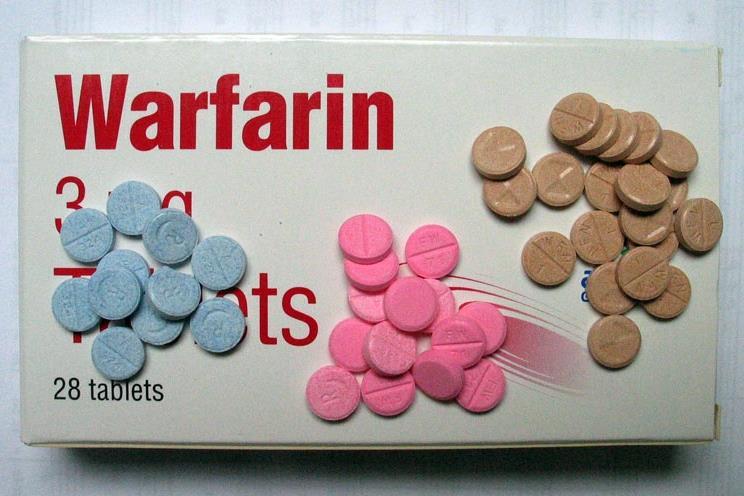
Warfarin, sold under the brand name Coumadin, is one of the most commonly prescribed blood thinners in the world. It is given to millions of people to prevent blood clots, strokes, and complications from atrial fibrillation. Aspirin, on the other hand, is so ordinary that most people do not even think of it as a real drug. It sits in the kitchen drawer. People take it with coffee. It is just aspirin.
But when you combine warfarin and aspirin, you create one of the most reliably dangerous drug interactions in clinical medicine. Both drugs thin the blood through different mechanisms. Warfarin interferes with clotting factors. Aspirin prevents platelets from clumping together. Together, they can push bleeding risk to a level that is genuinely life-threatening.
The result can be internal bleeding in the stomach, intestines, or brain. Many patients on warfarin take occasional aspirin for headaches or muscle aches without telling their doctor, not because they are reckless, but because it genuinely does not occur to them that an over-the-counter painkiller could interact with their prescription.
What to do instead:
- Tell your prescribing physician every time you take any painkiller, even occasionally.
- Ask about acetaminophen (Tylenol) as a safer alternative for pain relief, though even this requires caution with warfarin.
- Never assume that “over the counter” means “safe with my prescription.”
- Get regular INR blood tests if you are on warfarin, and report any unusual bruising or dark stools immediately.
The lesson here is not that aspirin is evil. It is that context changes everything in pharmacology. A drug that is harmless for one person can be genuinely dangerous for another, depending entirely on what else is in their system.
Interaction 2: SSRIs and Tramadol, a Drug Interaction That Can Turn Fatal Fast
This is the combination that quietly alarms pharmacists more than almost any other, and it is one that most patients have never heard about.
SSRIs, which include medications like sertraline (Zoloft), fluoxetine (Prozac), escitalopram (Lexapro), and paroxetine (Paxil), are among the most commonly prescribed medications in the United States. They are used for depression, anxiety, OCD, and a range of other conditions. Tramadol is a prescription painkiller often given after surgery or for moderate chronic pain. On the surface, there is no obvious reason why combining them would be dangerous.
But here is what happens beneath the surface. Tramadol acts partly as a weak opioid, but it also increases serotonin levels in the brain. SSRIs work by blocking serotonin reuptake, which also increases serotonin levels. When both drugs are taken together, the combined serotonin surge can lead to a condition called serotonin syndrome.
Serotonin syndrome is not a mild side effect. It is a potentially life-threatening reaction that can cause agitation, rapid heart rate, high fever, tremors, muscle rigidity, and in severe cases, seizures and death. The onset can be rapid, sometimes within hours of taking both medications together.

Warning signs of serotonin syndrome include:
- Sudden agitation or restlessness after taking a new medication
- Rapid or irregular heartbeat
- Heavy sweating and high fever without infection
- Muscle twitching or stiffness
- Confusion or disorientation
The troubling reality is that this combination is prescribed more often than it should be, simply because the prescribing doctor may not know the patient is also on an SSRI, or may not connect the pharmacological dots in a brief appointment.
If you are on any SSRI and a doctor recommends tramadol for pain, it is entirely appropriate, and strongly advisable, to ask directly about serotonin syndrome risk. A good physician will appreciate the question. The wrong physician will dismiss it, and that is useful information too.
Interaction 3: ACE Inhibitors and Potassium Supplements, a Drug Interaction That Strains the Heart
ACE inhibitors are a class of blood pressure medications that includes lisinopril, enalapril, and ramipril. They are extremely effective and widely prescribed. One of their side effects is that they cause the body to retain potassium, which is normally a good thing because potassium helps regulate heart rhythm.
The problem arises when patients on ACE inhibitors also take potassium supplements, either as standalone supplements or through high-potassium sports drinks and health products. They may have read that potassium is good for the heart, which is true in general terms. But too much potassium in the body, a condition called hyperkalemia, can cause dangerous heart arrhythmias and, in extreme cases, cardiac arrest.
This interaction is especially common among health-conscious older adults who are managing blood pressure with an ACE inhibitor while also taking a variety of supplements they believe are heart-healthy.

Foods and supplements that are particularly high in potassium include:
- Potassium chloride salt substitutes (often marketed to people on low-sodium diets)
- Protein powders and meal replacement shakes with added electrolytes
- High-dose potassium supplements marketed for muscle cramps
- Coconut water consumed in large quantities
The risk is amplified in people with any degree of kidney disease, because the kidneys are responsible for regulating potassium levels. If your kidneys are not functioning optimally, potassium accumulates even faster.
The fix here is straightforward communication. Tell your doctor about every supplement you take. That includes the magnesium capsules, the electrolyte powder, and the potassium salt substitute your neighbor recommended. None of these are inherently dangerous, but your doctor cannot protect you from interactions they do not know exist.
Interaction 4: MAOIs and Tyramine-Rich Foods, the Drug Interaction That Comes From Your Plate
This is one of the most unusual dangerous drug interactions because it does not involve two drugs at all. It involves a drug and your dinner.
MAOIs, or monoamine oxidase inhibitors, are an older class of antidepressants that include phenelzine (Nardil), tranylcypromine (Parnate), and isocarboxazid (Marplan). They are less commonly prescribed today than SSRIs, but they remain in use for patients with treatment-resistant depression or certain anxiety disorders. They work by blocking an enzyme called monoamine oxidase, which normally breaks down substances including tyramine in the body.
Tyramine is a naturally occurring compound found in aged, fermented, pickled, and preserved foods. Under normal circumstances, your body processes it without trouble. But when monoamine oxidase is blocked by an MAOI, tyramine accumulates rapidly. This triggers a sudden and severe increase in blood pressure, sometimes called a hypertensive crisis, which can cause stroke, heart attack, or death.
Foods that contain dangerous levels of tyramine for MAOI users:
- Aged cheeses (cheddar, blue cheese, brie, camembert)
- Cured and processed meats (salami, pepperoni, smoked fish)
- Fermented products (sauerkraut, kimchi, miso, soy sauce)
- Tap beer and many red wines
- Overripe or dried fruits, particularly figs, raisins, and avocados
- Broad beans and certain protein extracts
The interaction is both serious and genuinely avoidable, but only if patients are told about it clearly. Unfortunately, dietary counseling for MAOI patients is inconsistent across medical practices. Some patients receive thorough lists. Others receive a vague mention of “avoiding certain foods” with no specifics.
If you or someone you love is prescribed an MAOI, request a comprehensive list of dietary restrictions from both your prescribing physician and a pharmacist. This is not optional. This is a matter of preventing a medical emergency.
Interaction 5: Statins and Grapefruit, a Drug Interaction Hiding in Your Breakfast
This one surprises almost everyone the first time they hear it. Grapefruit, that ordinary citrus fruit sitting in the fruit bowl, can make certain cholesterol medications dangerously potent.
Statins, which include atorvastatin (Lipitor), simvastatin (Zocor), and lovastatin (Mevacor), are among the most widely prescribed drugs in the world. They are used to lower LDL cholesterol and reduce the risk of heart disease. They work well and are generally considered safe. What most patients are never told is that grapefruit contains compounds called furanocoumarins that block an enzyme in the gut responsible for metabolizing many medications, including several statins.
When this enzyme is blocked, the body absorbs far more of the statin than intended. Instead of getting a standard therapeutic dose, the patient effectively receives a massive overdose with every pill. The result can be severe muscle damage, a condition called rhabdomyolysis, in which muscle tissue breaks down rapidly and releases proteins into the bloodstream that can overwhelm and destroy the kidneys.
The reaction is not trivial. Rhabdomyolysis is a serious medical emergency that can lead to acute kidney failure and, in severe cases, death.
Key facts about this drug interaction:
- The effect is not dose-dependent in a predictable way. Even small amounts of grapefruit can significantly alter drug metabolism for some people.
- The effect can last for more than 24 hours. Drinking grapefruit juice in the morning can still interact with a statin taken at night.
- Not all statins are equally affected. Pravastatin and rosuvastatin are less susceptible to this interaction, while simvastatin and lovastatin are among the most vulnerable.
- The interaction also applies to grapefruit juice, not just fresh grapefruit.
The straightforward solution is to ask your pharmacist whether your specific statin is affected by grapefruit and whether switching to a less susceptible statin is appropriate. Most pharmacists know this interaction thoroughly and will welcome the conversation.
Drug Interaction Risk Comparison Table
Understanding the severity and frequency of these interactions can help you prioritize your conversations with your healthcare team. The table below summarizes the seven dangerous drug interactions covered in this article.
| Drug Combination | Severity Level | How Common | Primary Risk | Who Is Most at Risk |
|---|---|---|---|---|
| Warfarin + Aspirin | Critical | Very Common | Severe internal bleeding, hemorrhagic stroke | Cardiac patients, older adults |
| SSRIs + Tramadol | Critical | Common | Serotonin syndrome, seizures, death | Depression patients prescribed post-surgical pain relief |
| ACE Inhibitors + Potassium | High | Common | Hyperkalemia, cardiac arrhythmia, cardiac arrest | Older adults, kidney disease patients |
| MAOIs + Tyramine Foods | Critical | Moderate | Hypertensive crisis, stroke, heart attack | Treatment-resistant depression patients |
| Statins + Grapefruit | High | Very Common | Rhabdomyolysis, acute kidney failure | Cholesterol patients, health-conscious adults |
| Benzodiazepines + Opioids | Critical | Very Common | Respiratory depression, overdose death | Anxiety and chronic pain patients |
| Metformin + Alcohol | Moderate-High | Common | Lactic acidosis, dangerous hypoglycemia | Type 2 diabetes patients |
This table is intended as a reference tool, not a substitute for professional medical advice. Always discuss your specific medications with a qualified pharmacist or physician.
Interaction 6: Benzodiazepines and Opioids, the Drug Interaction Behind a National Crisis
This combination deserves extra attention because it is at the center of the opioid epidemic in America and continues to claim tens of thousands of lives every year.
Benzodiazepines, commonly called “benzos,” include medications like alprazolam (Xanax), clonazepam (Klonopin), lorazepam (Ativan), and diazepam (Valium). They are prescribed for anxiety, panic disorders, and insomnia. Opioids include prescription painkillers like oxycodone (OxyContin), hydrocodone (Vicodin), morphine, and fentanyl. Both classes of drugs depress the central nervous system. Both slow down breathing. Both reduce the brain’s drive to breathe when blood oxygen drops.
When you take both at the same time, the combined CNS depression can suppress breathing to the point where it simply stops. This is not a theoretical risk. The FDA issued its strongest warning about the combination of opioids and benzodiazepines, a “black box warning,” which is the most serious safety notice the agency can issue for a drug.
Despite this warning, the combination continues to be prescribed frequently. Patients with chronic pain often also struggle with anxiety. Patients recovering from surgery may be sent home with both an opioid for pain and a benzo for the anxiety or insomnia that often accompanies recovery. The treating physician may not be the same one managing the anxiety. And the pharmacy may or may not flag the interaction, depending on whether both prescriptions are filled at the same location.
If you are prescribed both a benzo and an opioid:
- Ask your doctor directly whether this combination is necessary and whether a non-opioid pain management strategy could work instead.
- Make sure every prescriber you see has a complete list of all your current medications.
- Fill all your prescriptions at the same pharmacy so the pharmacy’s computer system can flag dangerous interactions.
- Know the signs of opioid overdose (slow or stopped breathing, blue lips, unresponsiveness) and make sure someone in your household does too.
- Consider asking about a naloxone prescription. Naloxone is an opioid overdose reversal medication that is now widely available and can save a life in minutes.
This is not a niche concern for people misusing drugs. This is a documented, well-researched risk that affects patients following their prescriptions exactly as written.
Interaction 7: Metformin and Alcohol, a Drug Interaction That Diabetics Rarely Hear About
Metformin is the most commonly prescribed medication for type 2 diabetes. It is generally well-tolerated, inexpensive, and effective. Most patients are told to take it with food to reduce stomach upset. Many are never told about its relationship with alcohol.
When metformin and alcohol interact in the body, they both affect how the liver produces and processes lactic acid. Under normal circumstances, this is manageable. But heavy or regular alcohol consumption while taking metformin can lead to a dangerous buildup of lactic acid in the blood, a condition called lactic acidosis.
Lactic acidosis is rare but serious. Symptoms include muscle pain, weakness, difficulty breathing, stomach discomfort, nausea, and a feeling of coldness. In severe cases, it can be life-threatening. The risk is significantly higher in people who already have compromised kidney or liver function, which is common in patients with type 2 diabetes.
Beyond lactic acidosis, alcohol can cause unpredictable swings in blood sugar for diabetic patients. It can trigger dangerous hypoglycemia (very low blood sugar), especially when combined with other diabetes medications like insulin or sulfonylureas. The symptoms of low blood sugar (confusion, shakiness, sweating) can easily be mistaken for ordinary intoxication, which means someone experiencing a medical emergency may not receive help because bystanders simply assume they have had too much to drink.
Practical guidelines for metformin users who drink alcohol:
- Limit alcohol to moderate consumption at most (one drink per day for women, two for men) and ideally less if you have any kidney or liver concerns.
- Never drink on an empty stomach, as this significantly amplifies hypoglycemia risk.
- Carry glucose tablets or a fast-acting sugar source whenever you drink.
- Inform any new prescriber that you are on metformin before they prescribe medications that might further affect your liver.
- Discuss your drinking habits honestly with your doctor. This is not a moral judgment. It is a safety conversation.
The stigma around discussing alcohol with a physician causes far more harm than the alcohol itself in many cases. Honest conversations save lives.
How to Protect Yourself From Dangerous Drug Interactions Starting Today
Understanding the specific interactions above is valuable, but building a system to protect yourself is even more important. Here is a practical framework for medication safety that requires no medical background to implement.
Build a Complete Medication List and Keep It Updated
Write down every single substance you put into your body that affects your physiology. This means prescription drugs, over-the-counter medications, vitamins, herbal supplements, protein powders, hormone creams, medicated shampoos, and yes, recreational substances including alcohol and cannabis.
Update this list every time anything changes. Keep a copy in your wallet, on your phone, and in a place your family can access in an emergency.
Use One Pharmacy for Everything
This is one of the simplest and most effective safety strategies available. When all your prescriptions are filled at the same pharmacy, the pharmacist’s computer system can automatically cross-reference every new prescription against your existing medications and flag dangerous interactions.
Splitting prescriptions across multiple pharmacies, because of convenience or cost, eliminates this safety net entirely.
Ask the Right Questions at Every Appointment
When a doctor prescribes you a new medication, do not leave the office without asking these three questions:
- “Does this interact with any of my current medications or supplements?”
- “Are there any foods, drinks, or activities I should avoid while taking this?”
- “What are the warning signs that something is wrong, and when should I call you or go to the ER?”
These are not demanding questions. They are basic patient safety questions, and any good physician will respect you for asking them. According to research published in healthcare quality literature, patients who ask questions during appointments have significantly better medication adherence and safety outcomes.
Make Your Pharmacist Your Ally
Pharmacists are among the most underutilized healthcare professionals in the United States. They complete doctoral-level training in pharmacology specifically including drug interactions, and most pharmacies offer free consultation services. A five-minute conversation with your pharmacist when you pick up a new prescription can genuinely save your life.
Do not just grab your bag and leave. Ask the pharmacist if there is anything about this medication you should know. You may be surprised by what you learn.
Use a Drug Interaction Checker Tool
Several reliable, free online tools allow you to check interactions between multiple medications. The Drugs.com interaction checker is one of the most comprehensive tools available and covers both prescription drugs and common supplements. Enter every medication you take and review the results, then bring any flagged interactions to your doctor or pharmacist for discussion.
This takes about five minutes and can surface interactions that have been missed in clinical settings.
The Bigger Picture: Why This Problem Persists and What Needs to Change
The medical system, as brilliant as it is in many ways, was not designed with polypharmacy in mind. Polypharmacy, the practice of taking multiple medications simultaneously, was relatively rare a few decades ago. Today it is the norm. The average American over age 65 takes more than five prescription medications daily. Many take eight, ten, or more.
The healthcare system has not fully adapted to this reality. Electronic health records help, but they are not universal and not always shared across providers. Specialist physicians often do not have access to a complete medication history from primary care. And patients, moving between providers in a fragmented system, are often the only ones with a complete picture of what they are taking.
The burden, unfairly, often falls on the patient. That is why education matters. That is why articles like this one exist. Not to frighten you, but to equip you.
You are not powerless in this system. You are actually one of the most important safeguards in it. When you walk into a doctor’s office with a complete medication list and the right questions, you become an active participant in your own safety rather than a passive recipient of care.
Common Misconceptions About Drug Interactions That Put People at Risk
Misconception 1: “My doctor knows everything I’m taking.” Unless you have told them, they probably do not. Physicians rely on patient-reported information for supplements, OTC medications, and anything prescribed by another provider. Do not assume. Tell them.
Misconception 2: “If it were dangerous, the pharmacy would have told me.” Pharmacies do flag many interactions, but they can only flag what they know about. If your prescriptions are split between multiple pharmacies, or if you bought a supplement at a health food store rather than a pharmacy, the system cannot see it.
Misconception 3: “Natural supplements are always safe.” Some of the most significant drug interactions involve herbal supplements. St. John’s Wort, for example, can dramatically reduce the effectiveness of birth control pills, antidepressants, HIV medications, and many other drugs. Natural does not mean inert.
Misconception 4: “I’ve been taking these together for years with no problem, so I must be fine.” Some drug interactions cause acute, immediate reactions. Others cause slow, cumulative damage that becomes apparent only when significant harm has already occurred. The absence of an obvious reaction is not evidence of safety.
Misconception 5: “A small dose is probably fine.” For some interactions, including the grapefruit-statin interaction and certain MAOI food interactions, even small amounts can trigger significant physiological effects. Dose is not always the determining factor.
A Note on Special Populations: Who Faces the Highest Risk
While dangerous drug interactions can affect anyone, certain groups face significantly elevated risk.
Older adults are at particular risk because they are more likely to take multiple medications, their kidneys and livers process drugs less efficiently as they age, and they are more likely to see multiple specialists who may not communicate with each other.
People with chronic conditions including heart disease, diabetes, kidney disease, depression, and anxiety are often on multiple long-term medications, each of which creates more opportunities for interaction.
Cancer patients undergoing chemotherapy face extremely complex drug regimens. Even common OTC medications can interfere with chemotherapy drugs or increase toxicity.
Pregnant women must be especially cautious because drug interactions can affect both maternal and fetal health, and the safety data on many combinations during pregnancy is incomplete.
People who use herbal or traditional medicine alongside conventional treatment often do not report this to their physicians, creating hidden interactions. This is especially important in communities where traditional remedies are culturally significant.
In all these cases, proactive communication with every healthcare provider is essential. It is not enough to mention your medications once in a new patient intake form. The conversation needs to happen at every appointment, every time something changes.
The Role of Technology in Preventing Drug Interactions
Technology is beginning to address this problem in meaningful ways. Pharmacy software has become more sophisticated at flagging known interactions. Some electronic health record systems are now integrated across provider networks, giving physicians a more complete picture of a patient’s medication history.
Wearable devices and health apps are increasingly allowing patients to maintain their own comprehensive medication records and share them digitally across providers. Several hospital systems are implementing AI-powered clinical decision support tools that can identify interaction risks in real time as a prescription is being written.
But technology is only as good as the information fed into it. The patient who buys supplements at a health food store, takes cannabis for anxiety, and occasionally uses a friend’s leftover antibiotics is invisible to any algorithm. Human honesty and communication remain irreplaceable.
Conclusion: Knowledge Is the Safest Medicine
The seven dangerous drug interactions explored in this article, warfarin with aspirin, SSRIs with tramadol, ACE inhibitors with potassium, MAOIs with tyramine foods, statins with grapefruit, benzodiazepines with opioids, and metformin with alcohol, represent only a small fraction of the potentially harmful combinations that exist in modern pharmacology.
But they are among the most common. They are the ones hiding in medicine cabinets and refrigerators and grocery bags across the country. They are the interactions between perfectly ordinary medications and perfectly ordinary foods and habits.
None of them are inevitable. All of them are preventable with knowledge, communication, and a healthy skepticism about the assumption that if something was prescribed, it must be safe with everything else.
Your doctor is not your enemy. Your pharmacist is not your adversary. The system is simply stretched thin, and that means you cannot afford to be passive. You are the one person who knows everything you are taking. Use that knowledge. Ask questions. Build your medication list. Talk to your pharmacist.
You do not have to become a medical expert to protect yourself. You just have to become an informed participant in your own care. That is not a burden. It is the most important thing you can do for your health.
Take This Step Today
Print your medication list, or add it to your phone’s Notes app right now, before you move on. Write down every prescription, every supplement, every OTC medication, and every substance you use regularly. Then take that list to your next appointment and ask your doctor or pharmacist to review it for interactions.
It takes ten minutes. It could save your life.
Share this article with someone you care about. Most people have a parent, a grandparent, a spouse, or a friend taking multiple medications who has never thought to question whether those medications are safe together. You might just give them information that changes everything.
This article is intended for educational and informational purposes only. It does not constitute medical advice and should not be used as a substitute for professional medical consultation, diagnosis, or treatment. Always seek the guidance of a qualified healthcare provider with any questions you may have regarding a medical condition or medication.
Sources and further reading:
- U.S. Food and Drug Administration, Drug Safety Communications
- American Society of Health-System Pharmacists, Drug Interaction Guidelines
- National Institutes of Health, MedlinePlus Medication Safety Resources