Shocking Truth About Restaurant Food and Health
You trust your favorite eatery. You order what seems “healthy.” Yet something feels off.
If you eat out regularly and still struggle with weight, blood pressure, bloating, or fatigue, this article was written for you.
Introduction
The relationship between restaurant food and health has become a growing concern among nutritionists, physicians, and public health researchers. Eating out is no longer an occasional indulgence. For many adults, it is a weekly or even daily habit. Convenience has replaced the home kitchen.
However, modern restaurant dining operates on a different priority system than your body does. Restaurants prioritize taste, repeat customers, and profit margins. Your body prioritizes nutrient balance, metabolic stability, and inflammation control.
That gap matters.
Numerous studies have shown that meals prepared outside the home are typically higher in calories, sodium, saturated fat, and added sugars compared to home-cooked meals. According to research published by the National Institutes of Health, adults consume significantly more calories on days they eat restaurant meals compared to days they eat food prepared at home. You can review NIH-supported findings on dietary patterns and eating away from home here: https://www.ncbi.nlm.nih.gov/pmc/articles/PMC5708046/
This does not mean restaurants are evil. It means we need awareness.
Let us explore five powerful ways your favorite eatery may be quietly sabotaging your well-being, and more importantly, what you can do about it.
Disclaimer
This article is for educational purposes only and does not replace medical advice. If you have existing medical conditions such as diabetes, heart disease, kidney disease, or food allergies, consult a qualified healthcare professional before making significant dietary changes. Individual nutritional needs vary.
1. Restaurant Food and Health: The Hidden Oil Problem
If you could see the amount of oil used in restaurant kitchens, you might never look at your favorite stir-fry the same way again.
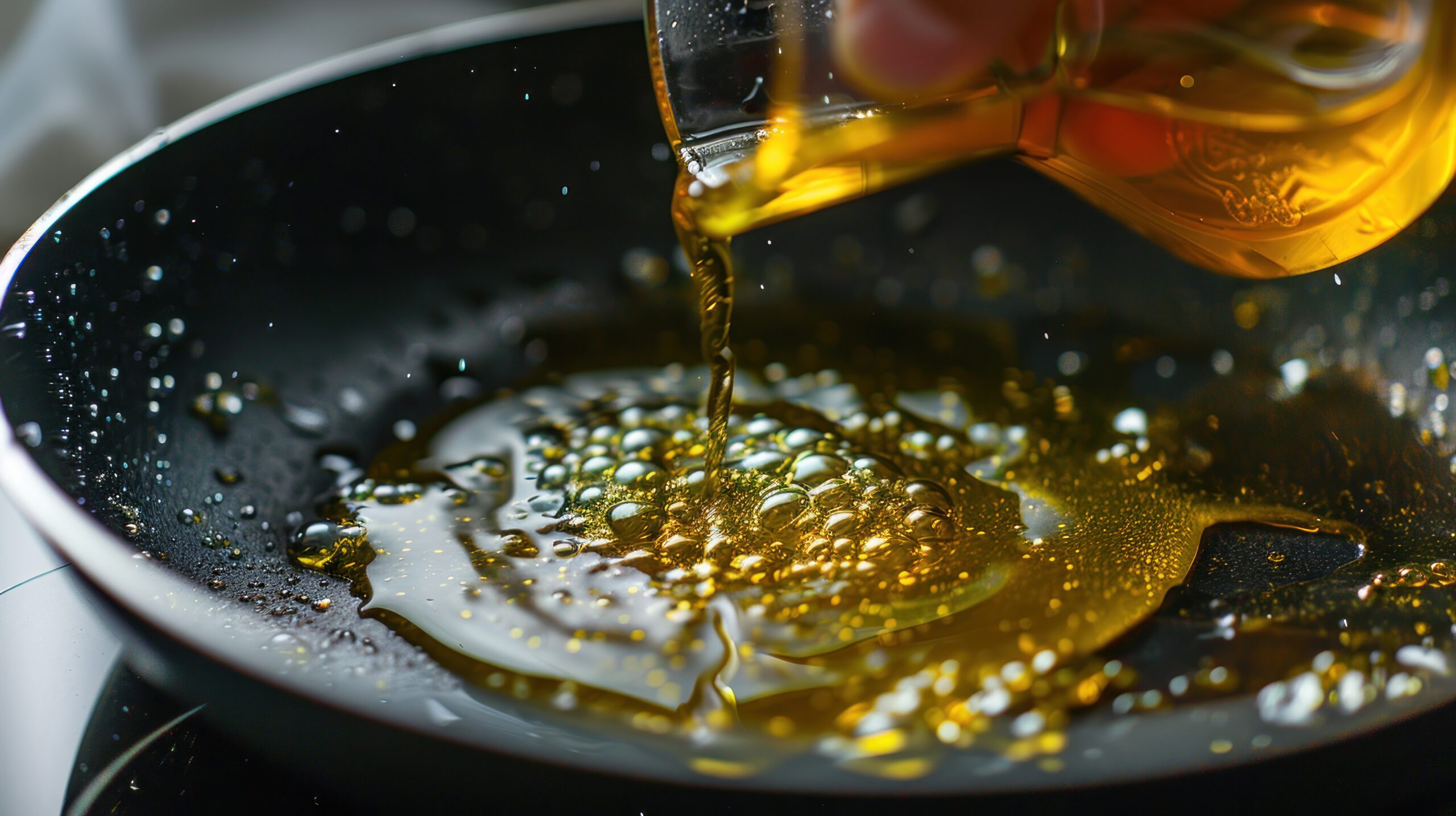
Restaurants rely heavily on fats because fat equals flavor. Oil carries taste, improves mouthfeel, and makes food look glossy and appealing. It also dramatically increases calorie density.
Why This Matters
One tablespoon of oil contains about 120 calories. Many restaurant dishes use three to six tablespoons during cooking.
That means:
- An extra 360 to 720 calories before you even consider the main ingredients
- Increased intake of omega-6 fatty acids from seed oils
- Greater inflammatory burden if oils are repeatedly heated
Many restaurants use inexpensive refined seed oils such as soybean, corn, or canola oil. When repeatedly heated at high temperatures, these oils can oxidize. Oxidized fats are linked to inflammation and cellular stress.
At home, you might use one tablespoon of oil. In restaurants, that amount often triples without your knowledge.
2. Restaurant Food and Health: Excessive Sodium Overload
Salt makes everything taste better. Restaurants know this.
However, sodium levels in restaurant meals frequently exceed daily recommendations in a single serving. The American Heart Association recommends limiting sodium to about 1,500 to 2,300 milligrams per day depending on individual health status.
Many restaurant entrees contain:
- 1,800 to 2,500 mg sodium per plate
- Even more when appetizers and sauces are included
- Hidden sodium in bread, marinades, and dressings
High sodium intake is strongly associated with elevated blood pressure. Harvard Health explains the link between sodium and hypertension in detail here: https://www.health.harvard.edu/heart-health/the-link-between-salt-and-high-blood-pressure
Why Sodium Is So High
Restaurants use sodium to:
- Enhance flavor
- Preserve food
- Mask lower-quality ingredients
- Encourage thirst, which increases beverage sales
That bloated feeling after dining out is not your imagination. It is often fluid retention from sodium overload.
3. Restaurant Food and Health: Added Sugars in Disguise
You expect sugar in dessert. You do not expect it in your grilled chicken.
Yet added sugars are hiding everywhere in restaurant kitchens:
- Salad dressings
- Barbecue sauces
- Teriyaki glazes
- Tomato sauces
- Marinades
- Yogurt-based dips
A “healthy” salad can contain 15 to 30 grams of sugar just from dressing.
Why It Matters
Added sugars contribute to:
- Insulin spikes
- Increased fat storage
- Energy crashes
- Long-term metabolic dysfunction
When sugar combines with high fat and high sodium, the brain receives a powerful reward signal. That is not accidental. Restaurants engineer food for repeat cravings.
If you have ever wondered why you cannot stop thinking about a certain dish, now you know.
4. Restaurant Food and Health: Ultra-Processed Ingredients
Even upscale restaurants rely on convenience products.
Ultra-processed foods are formulations made mostly from refined substances such as starches, oils, sugars, and additives. They often contain preservatives, emulsifiers, artificial flavors, and colorings.
In restaurant kitchens, you may encounter:
- Pre-made sauces
- Frozen pre-breaded meats
- Instant soup bases
- Packaged dessert mixes
- Flavor enhancers like monosodium glutamate
These ingredients improve consistency and reduce labor costs. However, high consumption of ultra-processed foods has been associated with obesity, cardiovascular disease, and metabolic syndrome in multiple observational studies.
The problem is not one meal. The problem is frequency.
5. Restaurant Food and Health: Portion Size Distortion
Portions have quietly expanded over the past few decades.
What used to be a serving now looks like a tasting plate. Restaurant meals often provide enough calories for two people.
Here is a comparison.
| Meal Type | Calories | Sodium | Added Sugar |
|---|---|---|---|
| Home-cooked grilled chicken, 1 cup rice, vegetables | 550 | 600 mg | 3 g |
| Restaurant grilled chicken plate with sauce, rice, vegetables | 1,200 | 2,100 mg | 18 g |
| Home pasta with tomato sauce | 650 | 700 mg | 6 g |
| Restaurant creamy pasta entrée | 1,500 | 2,400 mg | 12 g |
Portion distortion affects hunger signals. When served a large plate, most people eat until it is gone. The brain relies on visual cues.
Over time, this recalibrates what feels “normal.”
6. Restaurant Food and Health: The Illusion of Healthy Menu Items
Some of the worst offenders wear a health halo.
Common examples include:
- Smoothies loaded with fruit syrup
- Acai bowls with sweetened granola
- “Light” wraps filled with creamy sauces
- Veggie burgers with refined buns and fries
- Salads topped with fried protein
Words like “fresh,” “natural,” and “artisan” are marketing terms, not nutritional guarantees.
If the dish is deep-fried, sugar-glazed, or drowned in dressing, it is not automatically healthy because it contains lettuce.
7. Restaurant Food and Health: Lack of Nutritional Transparency
Unless you dine at a chain that publishes nutrition data, you are guessing.
Even when calorie counts are displayed, they do not tell the full story:
- Oil amounts may vary by cook
- Portion sizes fluctuate
- Sodium and sugar details are often missing
- Cooking methods are rarely disclosed
This unpredictability makes consistent healthy eating difficult.
At home, you control ingredients. At restaurants, you trust someone else’s choices.
8. Restaurant Food and Health: The Inflammatory Cooking Methods
High-heat cooking methods such as deep-frying and char-grilling can create compounds like advanced glycation end products, known as AGEs.
AGEs are linked to increased oxidative stress and inflammation.
Restaurants often use:
- Industrial fryers
- Reused cooking oil
- High-temperature grills
While occasional grilled food is not dangerous, frequent exposure to heavily charred, fried meals may contribute to long-term health risks.
Moderation is key. Frequency determines impact.
9. Restaurant Food and Health: Beverage Calories You Forgot
You may scrutinize your plate and forget your glass.
Sugary drinks, sweetened teas, cocktails, and even specialty coffees add significant calories and sugar.
Examples:
- Sweetened iced tea. 150 to 250 calories
- Flavored latte. 250 to 400 calories
- Margarita. 300 plus calories
- Regular soda. 140 calories per can
Liquid calories do not trigger fullness in the same way solid food does. That means you can easily consume hundreds of extra calories without feeling satisfied.
Step-by-Step Guide: How to Protect Your Restaurant Food and Health
You do not have to stop eating out. You need a smarter system.
Step 1: Review the Menu Before Arriving
Look online. Identify grilled, baked, or steamed options. Avoid dishes described as crispy, creamy, or smothered.
Step 2: Ask About Cooking Oils
Politely ask what oil is used. Request light oil if possible.
Step 3: Control Portions Immediately
Split the meal in half. Ask for a takeaway container at the start.
Step 4: Request Sauces on the Side
This single habit can reduce hundreds of calories and grams of sugar.
Step 5: Prioritize Protein and Vegetables
Build your plate around lean protein and fiber-rich vegetables.
Step 6: Replace Refined Carbs
Swap fries for salad or steamed vegetables.
Step 7: Drink Water First
Hydrate before ordering calorie-containing beverages.
Step 8: Eat Slowly
Give your body time to signal fullness.
Step 9: Skip or Share Dessert
If you want it, share it. Enjoy consciously.
Conclusion
The issue of restaurant food and health is not about fear. It is about awareness.
Restaurants are designed to maximize flavor and profit. Your body is designed to maintain balance and longevity. Those goals sometimes conflict.
You can still enjoy dining out. You can celebrate birthdays, date nights, and social gatherings. The difference lies in intention.
When you understand hidden oils, sodium overload, added sugars, ultra-processed ingredients, and portion distortion, you gain control.
And control changes everything.
Call to Action
If this opened your eyes, share it with someone who eats out regularly.
Want to go deeper into healthy lifestyle strategies? Read our next guide on building a long-term sustainable nutrition plan.
Drop a comment below. What surprised you most about restaurant food and health?