Most people think losing weight is about having more willpower. It’s not. The real secret? Stop eating foods that secretly pack hundreds of calories while leaving you hungry. These five simple food swaps can eliminate thousands of calories from your week—and actually help your body burn fat instead of storing it.
The Truth About Weight Loss: It’s Not Willpower, It’s Strategy
Let’s be honest: willpower is overrated. You can have all the motivation in the world, but if you’re eating the wrong foods, you’re fighting an uphill battle. The problem isn’t your discipline—it’s your diet.
Your body is like a machine. Feed it the right fuel, and it runs efficiently. Feed it the wrong fuel, and it breaks down. The foods you choose either support fat burning or block it. There’s no middle ground.
Here’s what most people get wrong: they think cutting calories is the answer. But not all calories are created equal. A 200-calorie donut affects your body completely differently than 200 calories of salmon. One triggers fat storage mode. The other supports fat burning.
The good news? You don’t need to be perfect. You just need to be better than you were yesterday. That’s it. One percent better. One upgrade at a time.
How to Level Up Your Food Choices: The Four-Category System
Before we dive into the five food swaps, let’s establish a framework. I’ve broken all foods into four simple categories:
Avoid — Foods that block fat loss and stress your liver. These should be eliminated or minimized.
Approved — Cleaner foods that don’t do damage but won’t necessarily move you forward either.
Better — Foods that start supporting your body. More fiber, more nutrients, fewer blood sugar spikes.
Best — Foods where your body starts working with you. You stop storing fat. You start burning it.
The beautiful part? You don’t have to jump straight to “Best.” Progress over perfection. If you’re eating mostly “Avoid” foods, move to “Approved.” If you’re in “Approved,” aim for “Better.” Every upgrade counts.
Food Swap #1: Sweeteners — The Hidden Metabolism Killers
Most people trying to eat clean start by cutting sugar. Smart move. But then they swap it with something equally damaging—and that’s where the trap closes.
What to Avoid: The Sweeteners Destroying Your Metabolism
High Fructose Corn Syrup
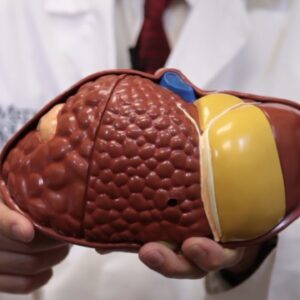
This is public enemy number one. Here’s why: fructose can only be broken down in your liver. When you consume high fructose corn syrup, it goes straight to the liver and gets stored as fat. It’s one of the fastest ways to block fat burning, especially around your belly.
Artificial Sweeteners (Sucralose, Aspartame)
Found in diet sodas, sugar-free snacks, and protein bars, these sweeteners don’t have calories—but they confuse your hunger hormones. They trigger insulin, which leads directly to weight gain. They also disrupt gut health, which is crucial for fat burning and appetite control.
Agave Nectar
It’s marketed as healthy, but it’s actually worse than regular sugar. Agave is 90% fructose—even higher than high fructose corn syrup. Your liver goes straight into fat storage mode.
The Rule: If it’s artificial, processed, or heavily marketed as “zero sugar,” it belongs in the avoid category.
What to Approve: Natural But Not Ideal
Raw honey, maple syrup, and molasses contain nutrients and trace minerals. They’re real foods. But here’s the problem: they still spike insulin.
If you’re trying to lose weight, these sugars will shut down fat burning mode. They’re not forbidden—they’re just not your best choice right now. Once you hit your goals and maintain a healthy weight, a little raw honey or maple syrup is perfectly fine.
What’s Better: Natural Sweeteners That Work With Your Body
Monk Fruit
Used for centuries, monk fruit gets its sweetness from compounds called mogrosides—not from sugar. It has zero calories and doesn’t trigger cravings or spike insulin. One bag lasts months.
Stevia
100 times sweeter than sugar, stevia comes from a plant and doesn’t disrupt fat burning mode. Just make sure it’s pure stevia, not mixed with sugar alcohols or fillers. Keep packets everywhere—your car, your bag, your desk.

Food Swap #2: Fruits — The Misunderstood Fat Loss Enemy
Fruit is natural. It’s colorful. We’ve been told our whole lives it’s super healthy. But not all fruit supports weight loss. Some of it actually stalls your results.
The High-Fructose Trap: Fruits to Avoid During Fat Loss
Bananas
They’re everywhere and easy to grab. But they hit your liver with almost as much sugar as a donut. If you’re in fat-burning mode, avoid them until you hit your goals.
Grapes
Just a handful gives you 20-30 grams of sugar with almost no fiber to slow down the impact. The sugar hits fast and hard.
Dried Fruit
Five dates have more sugar than a can of Coke. People eat them thinking they’re healthy, but they’re concentrated sugar bombs.
Fruit Juice
It takes three to four whole oranges to make one glass of juice. But most of us can’t sit down and eat three to four oranges—the fiber would fill us up. Juice is a direct hit of fructose without the fiber, going straight to your liver to be stored.
The Approved Fruits: Better Choices
Kiwi
One kiwi gives you over 80% of your daily vitamin C and nearly as much potassium as a banana—without the big sugar spike.
Tomatoes
Rich in lycopene (an antioxidant that supports liver health), tomatoes reduce oxidative stress and improve how your body metabolizes fat. Just don’t overdo them.
Grapefruit
Contains compounds that improve insulin sensitivity and fat metabolism. Just check your medications—grapefruit can interact with some drugs.
The Better Fruits: Real Fat-Burning Support
Green Apples (Granny Smith)
Low in fructose, high in fiber compared to red apples. Rich in pectin, a special fiber that supports gut health and metabolism.
Lemons and Limes
Your liver loves these. Extremely low in sugar, extremely high in nutrients. They stimulate blood flow, helping you break down and clear fat from your body. They have a natural diuretic effect that helps with water retention and bloating.
The Best Fruits: The Fat-Burning Champions
Berries (Blueberries, Raspberries, Blackberries)
Low glycemic, high fiber, loaded with antioxidants. One study showed that people who ate wild blueberries burned up to 43% more fat during workouts. That’s the kind of food you want on your team.
Avocados
Technically a fruit, avocados are one of the best you can eat. High in healthy fats (you need healthy fat to burn fat), low in carbs, and more potassium than a banana. They keep you full longer—naturally eating fewer calories.
| Fruit Category | Examples | Why It Matters | When to Eat |
|---|---|---|---|
| Avoid | Bananas, Grapes, Dates, Juice | High fructose overloads liver | After goals are hit |
| Approved | Kiwi, Tomatoes, Grapefruit | Lower sugar, safer choice | Strategically during loss |
| Better | Green Apples, Lemons, Limes | Support metabolism | Regularly during loss |
| Best | Berries, Avocados | Actively burn fat | Daily, unlimited |
Food Swap #3: Grains and Carbs — Choose Slow Over Fast
Carbohydrates aren’t the problem. The type you’re eating absolutely matters.
You need carbs to live. The issue is that some support your metabolism while others flood your system with sugar, spike insulin, and lock your body into fat storage mode.
The Avoid List: Grains That Act Like Sugar
White Bread, Pasta, Crackers, Boxed Cereals
These digest super fast. They have no fiber and cause a sharp insulin spike. Within four seconds of hitting your mouth, they’re in your bloodstream. They behave exactly like straight-up glucose.
To make it worse, they don’t fill you up. Eat a bowl of cereal at 7 a.m., and you’re hungry again by 9:30 a.m.
Refined Grains
The outer layer (fiber and nutrients) gets stripped away. All you’re left with is fast-digestion starch that breaks down in your mouth.
The Approved Carbs: Better Than White, But Watch Portions
Whole Wheat Bread, Sourdough
Way better than white, but only if the fiber is truly intact and there are no hidden chemicals. Look for “whole grain wheat” on the label—not just “made with whole grain.”
Brown Rice, Oats
More fiber than white rice and instant oats, but they still raise blood sugar noticeably. Be careful not to overdo them.
Watch Out for Label Tricks:
- “Multi-grain” often means refined flour with a sprinkle of seeds
- “Made with whole wheat” could still be 90% white flour
- These sound healthy but still spike insulin
The Better Carbs: Real Metabolic Support
Sprouted Grain Bread (Ezekiel Bread)
Made from grains that have begun to sprout. This process lowers the glycemic index, improves digestibility, and increases nutrient content.
Chickpea and Lentil-Based Pastas
Much better than traditional pasta. Higher in protein, higher in fiber. They stabilize blood sugar and keep you full longer.
Important Note on Gluten-Free:
Many gluten-free products are made with potato starch, tapioca, or corn maltodextrin. They spike blood sugar just like refined wheat bread. Gluten-free doesn’t automatically mean fat-loss friendly.
The Best Carbs: Plant-Based Alternatives
Cauliflower Rice
Very low carb, very high fiber, extremely versatile. Use it for stir-fries, salads, or as a bowl base.
Broccoli Slaw, Carrot Noodles
Great for stir-fries and salads. Gives you that rice or pasta feel without the blood sugar spike.
Zucchini Noodles, Spaghetti Squash
Regulate blood sugar, reduce cravings, support fat metabolism.
Roasted Brussels Sprouts
Adds texture to carb-rich bowls without the insulin spike.
Beans and Legumes (Black Beans, Lentils, Chickpeas)
Loaded with magnesium, very slow digestion, very high in fiber, nutrient-dense. They support gut health, which plays a major role in fat storage versus fat burning. Plus, a bag of lentils costs a few dollars and lasts multiple meals.
The Bottom Line: You don’t have to cut all carbs to lose weight. You just need to choose the ones that work with your body instead of against it.
Food Swap #4: Fats and Oils — Build Better Cells
The fats you eat don’t just fuel your body—they become your body. Your cells are built with fats. When you use the wrong fats, you’re building weak, unstable cells that don’t burn fat the way they should.
The Avoid List: Fats That Block Fat Loss
The Linoleic Acid Problem
Linoleic acid is an omega-6 fat your body was never meant to process in large amounts. You need only 1-2% of your daily fats from linoleic acid. But now it makes up 6-10% of an average American’s calories—some studies show up to 20%.
Here’s the problem: linoleic acid gets stored in your fat tissue, liver, and cell membranes. It doesn’t clear out quickly. It can stay in your system for up to six years. While it’s there, it slows down fat burning and increases inflammation.
Oils Highest in Linoleic Acid (Avoid These):
- Safflower oil (70%)
- Grape seed oil (70%)
- Sunflower oil (68%)
- Soybean oil (51%)
- Corn oil
- Cotton seed oil
- Canola oil (19%, but highly processed)
These cheap, flavorless oils are in everything: salad dressings, sauces, protein bars, frozen meals, restaurants. At restaurants, it gets worse—oils are heated and reused, making them even more toxic.
If you’re still cooking with these oils or eating out often, this is the first change to make. It’ll make the biggest difference.
The Approved Oils: Less Inflammatory But Not Ideal
High Oleic Sunflower Oil
Only 10% linoleic acid (versus 68% in standard sunflower oil). More stable under heat. Better than standard seed oils, but not something to rely on daily.
Sesame Oil
Has antioxidant properties and good flavor, but it’s 42% linoleic acid. Fine in small amounts, not for regular use.
Important: Organic, cold-pressed, or non-GMO doesn’t fix the problem. Organic canola oil is still a linoleic acid oil. Just because it says “organic” doesn’t mean it’s actually healthy.
The Better Oils: Real Metabolic Support
Olive Oil
Usually only 10% linoleic acid. Quality matters—some bottles are blended and higher. Buy single-source, cold-pressed, extra virgin. Use on lower heats or for salad dressings.
Avocado Oil
Around 10% linoleic acid. Very stable at higher temperatures. Great for roasting vegetables, sautéing, stir-frying.
Coconut Oil
Only 2% linoleic acid. Rich in MCTs (medium-chain triglycerides)—fats your body uses for quick energy instead of storing as fat. Excellent for baking and frying.
The Best Oils: The Fat-Burning Champions
Animal Fats (Butter, Ghee, Tallow, Duck Fat, Lard)
From grass-fed or pasture-raised sources, these are extremely low in linoleic acid—exactly 1-2%, the ratio your body needs.
Why They Work:
- Stable under heat
- Rich in fat-soluble vitamins
- Highly satisfying (you eat less)
- Butter and ghee contain butyrate, a short-chain fat that supports gut health, reduces inflammation, and stabilizes blood sugar
Ghee vs. Butter:
If you’re sensitive to dairy, ghee is better. The milk solids have been removed, so people who are lactose intolerant usually tolerate it fine.
The Goal: Eat the right kinds of fat—the ones your body can actually use to build better, stronger, fat-burning cells.
Food Swap #5: Beverages — The Hidden Calorie Saboteurs
These are the easiest ways to sabotage fat loss. Beverages don’t fill you up. They still flood your system with sugar or chemical sweeteners. And since most people don’t count what they drink, these are the hidden calories that sabotage you all day long.
The Avoid List: Liquid Fat Storage
Regular Soda
Pure liquid sugar. One can hits your body with over nine teaspoons of sugar all at once. Some people drink multiple cans daily.
Diet Soda
Calorie-free, yes. But artificial sweeteners like sucralose and aspartame still trigger insulin. Your body reacts like sugar’s coming even when it’s not. Over time, people who drink diet soda crave more food and gain more abdominal fat.
Flavored Waters, Energy Drinks, Sweetened Teas
Shocking how many are full of artificial sweeteners and toxic synthetic vitamins. Even the ones labeled “zero sugar” use artificial sweeteners.
The Rule: If it tastes sweet, came from a bottle, and isn’t clearly clean, there’s a good chance you’re stalling fat loss right there.
The Approved Beverages: No Damage, No Help
Unsweetened Almond Milk, Coconut Milk
They’re not doing damage, but they’re not putting you into fat-burning mode either. Check labels for additives—many brands slip in soybean oil, sweeteners, and other irritants. Quality matters.
Herbal Teas (Peppermint, Chamomile, Rooibos)
Great for digestion and hydration. Usually no insulin spike. Just make sure nothing’s been added.
Plain Sparkling Water
A safe choice if it’s truly unsweetened and unflavored. Squeeze your own lemons and limes in there to move it into a better category.
The Better Beverages: Real Fat-Burning Support
Green Tea
Contains catechins, compounds that boost fat oxidation and break down fat. They support metabolism and liver health. There’s a real difference between this and other drinks.
Black Coffee
Boosts thermogenesis—your body’s ability to burn more calories by generating heat. But only if you drink it clean. Skip the sugar, flavored creamers, and syrups. A little cream is fine, but those fancy coffee shop drinks are desserts, not coffee.
The Best Beverages: Active Fat-Loss Support
Lemon Water
Supports bile production, helps your liver flush toxins, and primes your metabolism to burn fat early in the day. Drink it first thing in the morning, hot or cold.
Bone Broth
Rich in collagen, which supports gut health and seals the gut lining. Low in carbs, high in protein, very filling without spiking insulin. Reduces cravings.
Collagen Coffee
Blend coffee with a scoop of collagen and healthy fats (coconut oil, grass-fed butter, or ghee). You get protein for satiety, healthy fats for metabolism, and steady energy without disrupting fat-burning mode.
Detox Teas
Dandelion tea, milk thistle, licorice root—these support liver function, bile production, and fat breakdown. Critical for metabolism and eliminating fat. Less than a dollar per serving.
| Beverage Category | Examples | Impact on Fat Loss | Best Use |
|---|---|---|---|
| Avoid | Soda, Diet Soda, Energy Drinks | Blocks fat burning | Eliminate completely |
| Approved | Unsweetened Milk, Herbal Tea, Sparkling Water | Neutral | Occasional use |
| Better | Green Tea, Black Coffee | Supports fat burning | Daily |
| Best | Lemon Water, Bone Broth, Collagen Coffee, Detox Tea | Actively burns fat | Daily, multiple times |
The Real Secret: Progress Over Perfection
Here’s what most people miss: you don’t have to be perfect. You don’t have to eat like the person next to you. You just need to make progress for you.
Start with the avoid list. Cut those out first. Then start tapping into approved foods. Work your way up. There’s always another level.
It’s like upgrading your phone’s operating system. You’re upgrading how you operate with your health, how you operate with your food. Just get a little bit better than you were yesterday. One percent. One upgrade at a time.
Every time you upgrade your food, you upgrade your results. That’s it. That’s the whole game.
Your Next Step: The Real Work Begins
If you’re ready to do more than just clean up your food—if you want to actually start dropping weight—this is where things get exciting.
Use the avoid list. Start there. Work your way up to approved, then better, then best. You don’t need a gym. You don’t need complicated systems. You just need to understand which foods work with your body and which ones work against it.
The foods you choose today determine the body you have tomorrow. Choose wisely.