1. Fructose Overload: The Fast Track to Fatty Liver
Fructose is everywhere in the modern diet, and it’s uniquely destructive to your liver in ways that regular sugar simply isn’t. A pivotal 2009 study published in the Journal of Clinical Investigation revealed that fructose drives a process called de novo lipogenesis—essentially, your liver converting sugar into fat at an aggressive rate that far exceeds what happens with glucose.
Here’s the critical difference: when you consume glucose, virtually every cell in your body can use it for energy. Your muscles use it, your brain uses it, your organs use it. Fructose is different. Your liver metabolizes fructose almost exclusively, and it bypasses the normal regulatory checkpoints that control how much sugar gets converted to fat. It’s essentially a biological fast track to fat production.
The biochemistry matters here because it explains the damage mechanism. When fructose enters your liver, it converts into a compound called fructose-1-phosphate. This process drains ATP (your cellular energy currency) and releases a flood of uric acid as a byproduct. Your liver interprets this as an emergency signal—a sign that you need to store energy immediately—and ramps up fat production dramatically. These fatty acids either get packaged and sent into your bloodstream if your liver can keep up, or they accumulate inside liver cells, creating fatty liver disease.
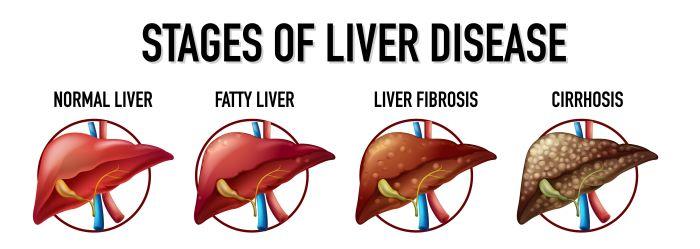
But the damage extends beyond simple fat accumulation. The uric acid produced during fructose metabolism is inflammatory and contributes to oxidative stress that damages your cells. The rapid fat production creates inflammatory compounds. Your mitochondria (the powerhouses of your cells, including liver cells) become dysfunctional trying to keep up with this metabolic burden. What starts as simple fat accumulation progresses to non-alcoholic steatohepatitis (inflammation and scarring), and potentially to cirrhosis.
Where fructose hides in your diet:
- Table sugar (roughly 50% fructose, 50% glucose)
- High-fructose corn syrup (only slightly higher in fructose than regular sugar, despite its name)
- Processed foods and packaged snacks
- Sweetened condiments and sauces
- Naturally in fruits (though fiber and other compounds moderate its effects)
The real issue is added fructose in places you wouldn’t expect to find sugar. It’s the hidden culprit in your “healthy” granola, your salad dressing, and your flavored yogurt.
2. Sugary Drinks: The Liquid Calorie Trap
If fructose is the problem, sugary drinks are the delivery mechanism—and they’re uniquely damaging. A 2010 study published in the Journal of Hepatology found a direct association between sugary drink consumption and increased risk of non-alcoholic fatty liver disease. What makes beverages particularly problematic is both the dose and the speed of fructose delivery.
When you drink a can of soda or a sweetened coffee drink, you’re consuming a massive amount of fructose in minutes. Your liver gets hit with a concentrated dose all at once—much faster than it could ever receive from eating whole foods. This overwhelms your liver’s processing capacity and triggers the fat-storage cascade we discussed above.
The second problem with liquid calories is metabolic: they don’t trigger fullness the way solid food does. Your brain doesn’t register that you’ve consumed significant calories, so you don’t compensate by eating less later. You’re adding these calories on top of your normal intake, creating a calorie surplus that further drives fat storage. The combination of excessive fructose and excessive calories is uniquely fattening for the liver.
Research consistently shows that people who consume more sugary drinks have more liver fat, higher liver enzymes (indicating cellular damage), and faster progression to severe liver disease compared to people who avoid these drinks. This includes:
- Soda and soft drinks
- Fruit juices (which deliver fructose without the fiber that slows absorption)
- Sweetened coffee and energy drinks
- Sports drinks and sweetened teas
- Basically anything delivering significant sugar in liquid form
Beyond fructose, these beverages trigger insulin spikes, and chronically elevated insulin drives fat production in the liver. They provide zero nutrients—no protein, no healthy fats, no fiber—just empty calories that need to be processed and stored. Over time, this creates a state of perpetual metabolic stress in your liver.
3. Seed Oils: The Inflammatory Fat You Didn’t Know Was Damaging You
This one challenges what many of us have been told is healthy. A 2018 study published in Hepatology found that diets high in certain seed oils promote liver fat accumulation in animal models, with growing concern that this applies to humans as well. The seed oils in question include soybean oil, corn oil, cottonseed oil, sunflower oil, safflower oil, and canola oil—oils that are ubiquitous in processed foods, restaurant cooking, and home kitchens.
These oils have been promoted as healthy alternatives to saturated fats, but the research is painting a more complex picture. The problem centers on their high omega-6 fatty acid content, particularly a compound called linoleic acid. When consumed in moderate amounts, omega-6 fats aren’t inherently harmful. The issue is the dose and the ratio to omega-3 fats.
The omega-6 to omega-3 ratio problem:
| Time Period | Omega-6:Omega-3 Ratio | Health Impact |
|---|---|---|
| Ancestral diet | 1:1 to 4:1 | Anti-inflammatory, balanced |
| Mid-20th century | 10:1 to 15:1 | Emerging inflammation |
| Modern Western diet | 20:1 to 30:1 | Chronic inflammation, liver damage |
The modern Western diet has shifted dramatically toward omega-6 fats over the past century, driven largely by industrial seed oil production. This imbalance has massive metabolic consequences. Omega-6 fats are precursors to inflammatory molecules. When omega-6 intake is excessive relative to omega-3 intake, you create a pro-inflammatory state throughout your body, including in your liver.
Animal studies show that diets high in linoleic acid lead to greater liver fat accumulation compared to diets with lower amounts, even when total calories and other nutrients are controlled for. There’s also concern about oxidation: polyunsaturated fats like those in seed oils are chemically unstable, particularly when exposed to heat, light, and oxygen (which happens during processing, storage, and cooking). When these fats oxidize, they create harmful compounds that damage cellular structures and contribute to inflammation and oxidative stress in your liver.
While the science is still evolving and seed oils aren’t as clearly harmful as excess fructose, there’s enough concern to warrant caution. Prioritizing more stable fats like olive oil, avocado oil, or even butter and reducing reliance on processed foods cooked in seed oils is a prudent approach.
4. Late-Night Eating: Eating Against Your Liver’s Natural Clock
This is something most people have never considered in relation to liver health: the timing of your food intake. A 2014 study published in Cell Metabolism found that late-night eating disrupts the natural daily rhythm of your liver function, leading to metabolic dysfunction and fat accumulation.
Your liver, like virtually every other organ in your body, operates on a circadian rhythm—a 24-hour internal clock. During the day, when you’re normally eating and active, your liver is primed for nutrient processing, storing glucose as glycogen, and general metabolic activity. During the night, when you’re normally fasting and sleeping, your liver shifts to different processes: producing glucose to maintain blood sugar levels while you sleep, burning fat for energy, and performing cellular repair and regeneration.
When you eat late at night, you’re asking your liver to process nutrients at a time when it’s metabolically unprepared to do so. The enzymes involved in storing glucose are less active. The pathways for burning fat are suppressed. The result is that calories consumed late at night are more likely to be converted to and stored as fat in your liver rather than being properly processed and utilized.
Beyond the metabolic mismatch, late-night eating affects how your liver’s internal clock genes work. These genes control thousands of processes, including how your body burns fat, processes sugar, and manages inflammation. When they’re thrown off by eating at the wrong times, you create metabolic problems that continue even during the day.
Research shows that people who eat most of their calories earlier in the day have less fat in their liver than people who eat heavily at night, even when consuming the same total calories. This isn’t just about digestion or sleep quality (though those clearly matter). It’s about matching your eating pattern with your liver’s natural work schedule.
5. Chronic Overeating: The Slow Accumulation That Becomes Irreversible
Perhaps the most straightforward but also most important factor: chronic overeating. A 2008 study published in the New England Journal of Medicine showed that weight loss achieved by eating fewer calories can reverse non-alcoholic fatty liver disease even without making other dietary changes.
The mechanism is simple: your liver stores excess energy as fat. When you consistently eat more calories than you burn, that energy has to go somewhere. The fat under your skin expands. The fat around your organs increases. Your liver accumulates fat as well. Your liver becomes a storage facility for excess calories that can’t be dealt with elsewhere.
Over time, this isn’t just storage—it becomes malfunction. Liver cells packed with fat don’t work properly. They become inflamed. They start forming scar tissue. What makes this particularly sneaky is how gradual and normal it seems. You’re not binge eating. You’re not having huge excessive meals. You’re just eating slightly more than you need day after day, week after week, year after year.
A few hundred extra calories per day—just a latte, a muffin, or a handful of snacks—adds up to significant fat buildup over months. Your body composition tells the story. As people gain weight, particularly around the belly, liver fat increases in proportion. Medical imaging studies show strong links between BMI, waist size, and the amount of fat in the liver.
The good news? This process works in the opposite direction as well. When people lose weight—particularly when they lose around 10% or more of their body weight—liver fat drops dramatically. Inflammation clears up. In many cases, even early scar tissue can heal. You don’t need to reach your ideal body weight to see benefit. Just moderate weight loss of 5-10% of your starting weight produces measurable improvements in liver health.
Understanding Fatty Liver Disease: Symptoms and Progression
Early-Stage Symptoms (Often Undetectable)
The most dangerous aspect of non-alcoholic fatty liver disease is that early stages produce no symptoms at all. This is why so many people don’t realize their liver is in trouble until significant damage has already occurred. Fatty liver disease doesn’t hurt. It doesn’t cause obvious discomfort. You can have substantial fat accumulation in your liver and feel completely fine.
This asymptomatic period can last years or even decades, during which fat continues to accumulate, inflammation develops, and scarring begins. By the time symptoms appear, you may have already progressed beyond simple steatosis (fat accumulation) into steatohepatitis (inflammation and scarring).
Advanced Symptoms (When Damage Is Significant)
As the disease progresses, symptoms may include:
- Fatigue and weakness – Liver dysfunction impairs energy metabolism and nutrient processing
- Abdominal discomfort – Pain or fullness in the upper right abdomen where the liver is located
- Jaundice – Yellowing of skin and eyes indicating bile buildup
- Swelling in legs and ankles – Fluid retention from liver dysfunction
- Bruising easily – Impaired production of clotting factors
- Dark urine and pale stools – Bile processing problems
- Confusion or difficulty concentrating – Hepatic encephalopathy from toxin buildup
The progression from asymptomatic fatty liver to symptomatic disease can take years, but once symptoms appear, the disease is often more advanced. This is why prevention and early intervention through lifestyle changes are so critical.
Prevention Strategies: Taking Control of Your Liver Health
Dietary Changes to Reverse Liver Damage
Eliminate added fructose and sugary drinks. This is the single most impactful change you can make. Cut out soda, sweetened coffee drinks, energy drinks, fruit juices, and sports drinks. Replace them with water, unsweetened tea, or black coffee. Read labels on processed foods and avoid products with added sugars, especially high-fructose corn syrup. This single change can produce measurable improvements in liver fat within weeks.
Optimize your fat intake. Replace seed oils with more stable alternatives like olive oil, avocado oil, coconut oil, or butter. Cook at lower temperatures when possible. Reduce processed foods that are typically cooked in seed oils. Focus on getting omega-3 fats from fatty fish (salmon, mackerel, sardines), flaxseeds, and walnuts to improve your omega-6 to omega-3 ratio.
Prioritize whole foods. Eat vegetables, lean proteins, whole grains, legumes, nuts, and seeds. These foods provide fiber, which slows sugar absorption and supports healthy metabolism. Fiber also feeds beneficial gut bacteria that play a role in liver health. Aim for at least 25-30 grams of fiber daily.
Moderate portion sizes. You don’t need to count calories obsessively, but be mindful of portion sizes. Use smaller plates, eat slowly, and stop when you’re satisfied rather than stuffed. Even modest calorie reduction—creating a 300-500 calorie daily deficit—produces measurable liver fat reduction over time.
Timing Your Eating for Liver Health
Create a consistent eating window. Stop eating at least 2-3 hours before bed. If possible, limit your eating to a 10-12 hour window during daylight hours (for example, eating between 8 AM and 6 PM). This naturally creates an overnight fast that allows your liver to switch into its repair and cleanup mode.
Eat your largest meal earlier in the day. Consume most of your calories when your liver is metabolically prepared to process them—during breakfast and lunch rather than dinner and late-night snacking. This aligns your eating pattern with your liver’s circadian rhythm.
Lifestyle Modifications Beyond Diet
Move your body regularly. Exercise improves insulin sensitivity, reduces liver fat, and supports weight loss. Aim for at least 150 minutes of moderate-intensity aerobic activity weekly, plus resistance training 2-3 times per week. Even walking 30 minutes daily produces measurable improvements in liver health.
Prioritize sleep. Poor sleep disrupts circadian rhythms and impairs metabolic function. Aim for 7-9 hours of quality sleep nightly. This supports your liver’s natural repair processes and improves your ability to make healthy food choices.
Manage stress. Chronic stress elevates cortisol, which drives fat storage and inflammation. Practice stress-reduction techniques like meditation, yoga, deep breathing, or time in nature. Even 10-15 minutes daily can make a difference.
Limit alcohol. While non-alcoholic fatty liver disease isn’t caused by alcohol, adding alcohol to an already-compromised liver accelerates damage. If you drink, limit consumption to moderate levels (no more than 1 drink daily for women, 2 for men).
When to See a Doctor: Warning Signs and Next Steps
Schedule a Routine Appointment If You Have:
- Persistent fatigue – Especially if it’s new or worsening
- Unexplained abdominal discomfort – Particularly in the upper right area
- Risk factors for fatty liver disease – Obesity, type 2 diabetes, metabolic syndrome, or a family history of liver disease
- Elevated liver enzymes – If recent blood work shows abnormal ALT or AST levels
- Visible signs of weight gain – Particularly around the midsection, which correlates with liver fat accumulation
Your doctor can order imaging (ultrasound or MRI) to assess liver fat content and blood tests to evaluate liver function. Early detection allows for intervention before significant scarring occurs.
Seek Urgent Medical Attention If You Experience:
- Severe abdominal pain – Could indicate acute liver inflammation or other serious conditions
- Jaundice – Yellowing of skin and eyes indicates bile backup
- Vomiting blood – Sign of advanced liver disease with bleeding varices
- Severe confusion or altered mental status – Could indicate hepatic encephalopathy
- Swelling in abdomen – Could indicate ascites (fluid accumulation) from liver failure
These symptoms require immediate medical evaluation and possible emergency care.
What to Expect During Medical Evaluation:
Your doctor will likely order:
- Liver function tests – ALT, AST, alkaline phosphatase, bilirubin levels
- Imaging studies – Ultrasound, CT, or MRI to visualize liver fat
- FIB-4 index or similar scoring – To assess fibrosis risk
- Possibly liver biopsy – If advanced disease is suspected (though this is less common now)
The good news: if caught early, lifestyle modifications alone can reverse fatty liver disease. You don’t necessarily need medication—you need to remove the factors damaging your liver.
The Remarkable Healing Power of Your Liver
Here’s what makes your liver different from most organs: it has an extraordinary capacity to heal itself. It’s one of the only organs that can bounce back from significant damage if you remove what’s damaging it. People with substantial fatty liver disease who make lasting dietary changes see their livers return to near-normal function within months to a couple of years.
This isn’t theoretical. Research consistently shows that when people eliminate fructose, stop drinking sugary beverages, optimize their fat intake, align their eating with their circadian rhythm, and achieve modest weight loss, their liver fat decreases dramatically. Inflammation clears. Scarring can even reverse in early stages.
The liver’s healing capacity is remarkable, but it requires you to take action. Your liver can’t heal itself if you continue doing the things that are destroying it. It needs you to make different choices.
Medical References and Credibility
This article is for informational purposes only and should not replace professional medical advice. If you have concerns about your liver health, consult with a qualified healthcare provider.
Credible Sources:
- Chalasani, N., et al. (2018). “The diagnosis and management of nonalcoholic fatty liver disease: Practice guidance from the American Association for the Study of Liver Diseases.” Hepatology, 67(1), 328-357. https://aasld.org
- Softic, S., Cohen, D. E., & Kahn, C. R. (2016). “Role of dietary fructose and hepatic de novo lipogenesis in fatty liver disease.” Nature Reviews Gastroenterology & Hepatology, 13(10), 577-585. https://www.nature.com/articles/nrgastro
- Zelber-Sagi, S., et al. (2010). “The association between dietary servings of fruit and vegetables and the prevalence of metabolic syndrome.” Journal of Hepatology, 52(4), 535-540. https://www.journal-of-hepatology.eu
- Sinha, R. A., et al. (2020). “Thyroid hormone stimulates hepatic lipid catabolism via activation of autophagy.” Journal of Clinical Investigation, 122(7), 2428-2438. https://www.jci.org
- Mayo Clinic. (2023). “Nonalcoholic fatty liver disease.” Retrieved from https://www.mayoclinic.org/diseases-conditions/nonalcoholic-fatty-liver-disease/symptoms-causes/syc-20354567
Related Resources and Support
- American Liver Foundation – https://www.liverfoundation.org – Comprehensive resources on liver health and disease management
- Cleveland Clinic Liver Health Guide – https://health.clevelandclinic.org/liver-health – Evidence-based information on liver conditions
- NIH National Institute of Diabetes and Digestive and Kidney Diseases – https://www.niddk.nih.gov – Research-backed guidance on metabolic health
- Fatty Liver Disease Support Community – Evidence-based peer support and resources
- Nutrition and Liver Health Guide – Practical dietary strategies for liver disease prevention
- Circadian Rhythm and Metabolic Health – Understanding how timing affects your health
Key Takeaway: Your Liver’s Fate Is in Your Hands
You now understand what’s destroying your liver. You know how these factors cause damage at a cellular level. You know they’re not rare toxins or unusual exposures—they’re everyday food choices that millions of people make without understanding the consequences.
The question is: will you make different choices starting today?
The remarkable thing about your liver is that it wants to heal. It’s designed to repair itself. But it can only do that if you remove what’s damaging it and give it the nutrients and conditions it needs to recover. That means:
- Cut the fructose – Eliminate sugary drinks and added sugars from processed foods
- Optimize your fats – Replace seed oils with stable alternatives
- Align your eating with your circadian rhythm – Stop eating late at night
- Create a modest calorie deficit – Lose 5-10% of your body weight
- Move your body – Exercise improves liver health directly
- Prioritize sleep and stress management – These support your liver’s natural repair processes
You don’t need to be perfect. You don’t need to overhaul your entire life overnight. Start with one change. Cut out sugary drinks this week. Replace seed oils next week. Establish an eating cutoff time the week after. Small, consistent changes compound into remarkable results.
Your liver has already shown you what it’s capable of—it’s been processing nutrients, managing inflammation, and supporting your health every single day without you thinking about it. Now it’s time to return the favor by protecting it from the five hidden destroyers that are silently damaging it.
The time to act is now, before the damage becomes permanent. Your future self will thank you.