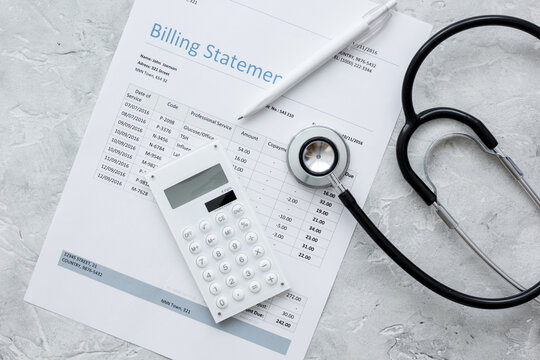
Let’s be honest—medical bills are crushing Americans. The average family spends over $1,200 annually on healthcare costs that insurance doesn’t cover, and that number keeps climbing. But here’s the plot twist: you might be able to cut those bills dramatically without switching insurance plans or moving to a different country. What if I told you that four simple lifestyle changes could save you thousands of dollars every year? Not through some sketchy loophole, but through genuine, science-backed health improvements that keep you out of the doctor’s office in the first place.
Introduction: Why Your Lifestyle Is Your Best Health Insurance
We live in a world obsessed with quick fixes. Take this pill, get this procedure, download this app. But the real magic happens when we zoom out and look at the bigger picture: lifestyle changes that lower medical bills aren’t just about saving money—they’re about reclaiming your health and your wallet simultaneously.
The healthcare industry is a $4.5 trillion machine, and most of that spending goes toward treating preventable diseases. Heart disease, type 2 diabetes, obesity-related conditions, and stress-induced illnesses account for the lion’s share of medical expenses. The kicker? These conditions are largely preventable through lifestyle modifications.
Think of your body like a car. You can either change the oil regularly and maintain it properly, or you can ignore it until the engine seizes and you’re stuck with a $10,000 repair bill. Your health works the same way. Prevention is infinitely cheaper than treatment.
1. Move Your Body Daily: The $5,000-a-Year Habit
Why Exercise Is Your Secret Weapon Against Medical Bills
Physical inactivity costs the U.S. healthcare system approximately $117 billion annually in direct medical costs. Translation? Sedentary people are expensive patients. Meanwhile, people who exercise regularly visit the doctor 25% less frequently than couch potatoes.
Here’s what happens when you move your body consistently:
- Your cardiovascular system becomes more efficient, reducing your risk of heart disease and stroke
- Your blood sugar regulation improves, slashing your diabetes risk
- Your immune system strengthens, meaning fewer infections and illnesses
- Your mental health improves, reducing anxiety and depression-related healthcare visits
- Your weight stabilizes naturally, eliminating obesity-related complications
The Real-World Impact
A 45-year-old sedentary office worker with high blood pressure might spend $3,000 annually on medications, doctor visits, and monitoring. Add in the occasional ER visit for chest pains (which turn out to be anxiety), and you’re looking at $4,500+ per year. That same person, after committing to 30 minutes of daily movement, could cut those expenses in half within six months.
What “Daily Movement” Actually Means
This isn’t about becoming a gym rat or training for a marathon. Daily movement means:
- Walking: 30 minutes at a moderate pace (you can hold a conversation but not sing)
- Cycling: Leisurely rides through your neighborhood or on a stationary bike
- Swimming: Low-impact, full-body workout that’s gentle on joints
- Dancing: Put on your favorite songs and move for 20-30 minutes
- Yoga or Tai Chi: Gentle movement combined with flexibility and balance work
- Gardening or yard work: Surprisingly effective and productive
- Climbing stairs: Simple, accessible, and underrated
The key is consistency, not intensity. A person who walks 30 minutes daily will see better health outcomes than someone who runs intensely twice a week and sits the rest of the time.
The Financial Breakdown
| Activity | Time Commitment | Annual Cost | Estimated Medical Savings |
|---|---|---|---|
| Walking (free) | 30 min/day | $0 | $2,000-3,000 |
| Gym membership | 45 min/day | $600 | $2,500-4,000 |
| Home yoga videos | 30 min/day | $0-120 | $1,500-2,500 |
| Cycling (used bike) | 40 min/day | $200-400 | $2,000-3,500 |
| Swimming (community pool) | 45 min/day | $300-500 | $2,500-4,000 |
The bottom line? Even the most expensive option pays for itself through medical bill reduction within months.
2. Eat Real Food: Nutrition as Medicine, Not Medication
The Hidden Cost of Processed Food
Americans spend approximately $1.6 trillion annually on healthcare, and roughly 75% of that goes toward treating chronic diseases linked to diet. Meanwhile, the average American spends only $1.10 per meal on groceries—often choosing ultra-processed foods loaded with sugar, sodium, and unhealthy fats.
Here’s the cruel irony: eating cheap, processed food now means paying expensive medical bills later. A person consuming a standard American diet (heavy on processed foods, light on vegetables) is statistically likely to develop type 2 diabetes, high blood pressure, or heart disease by age 55. The treatment costs? Easily $5,000-10,000 annually for medications, monitoring, and complications.
What “Real Food” Means
Real food is simple: if your great-grandmother wouldn’t recognize it as food, it probably isn’t. This means:
- Whole vegetables and fruits: Broccoli, spinach, carrots, apples, berries, oranges
- Whole grains: Brown rice, oats, quinoa, whole wheat bread
- Legumes: Beans, lentils, chickpeas
- Nuts and seeds: Almonds, walnuts, chia seeds, flax seeds
- Lean proteins: Chicken, fish, eggs, tofu
- Healthy fats: Olive oil, avocados, fatty fish
What to avoid or minimize:
- Sugary drinks and energy drinks
- Processed snacks and candy
- Fast food and fried foods
- Refined grains and white bread
- Processed meats and deli meats
- Foods with more than five ingredients you can’t pronounce
The Nutritional Impact on Your Medical Bills
When you switch from a processed food diet to a whole food diet, several things happen:
Blood Sugar Stabilization: Your insulin sensitivity improves, reducing diabetes risk by up to 58%. That’s the difference between $0 in diabetes medication costs and $3,000+ annually.
Inflammation Reduction: Chronic inflammation is the root of most modern diseases. Real food reduces inflammation, which means fewer doctor visits, less medication, and fewer complications.
Weight Management: Whole foods are naturally more satiating, meaning you eat less without feeling deprived. Maintaining a healthy weight eliminates obesity-related medical expenses.
Cholesterol Improvement: A diet rich in fiber and low in saturated fats naturally lowers cholesterol, reducing your need for statin medications ($1,000-2,000 annually).
Making the Transition Without Breaking the Bank
The biggest myth about healthy eating is that it’s expensive. Here’s the truth: buying ingredients and cooking at home is dramatically cheaper than buying processed foods or eating out.
Budget-Friendly Real Food Shopping List:
- Eggs: $0.15-0.25 per egg
- Dried beans and lentils: $0.50-1.00 per pound
- Frozen vegetables: $1.50-3.00 per bag
- Whole grains: $0.50-2.00 per pound
- Seasonal produce: $0.50-2.00 per pound
- Canned fish: $1.00-3.00 per can
A week of groceries for one person using real food ingredients: $40-60. A week of processed foods and takeout: $80-150.
3. Sleep Like Your Life Depends On It: Because It Does
The Sleep-Healthcare Cost Connection
Poor sleep is a silent killer—and an expensive one. People who sleep fewer than six hours nightly visit the doctor 40% more frequently than those who get seven to nine hours. They also have higher rates of:
- Heart disease and stroke
- Type 2 diabetes
- Obesity
- Depression and anxiety
- Weakened immune function
The result? Sleep-deprived people rack up significantly higher medical bills. Studies show that chronic sleep deprivation adds approximately $1,500-3,000 annually to healthcare costs per person.
Why Sleep Matters for Your Health (and Your Wallet)
During sleep, your body performs critical maintenance:
- Immune system strengthening: Your body produces cytokines that fight infection and inflammation
- Hormone regulation: Cortisol (stress hormone) decreases, allowing your body to repair itself
- Memory consolidation: Your brain processes information and clears out metabolic waste
- Muscle recovery: Growth hormone peaks during deep sleep, facilitating tissue repair
- Metabolic regulation: Sleep deprivation disrupts hunger hormones, leading to overeating and weight gain
When you consistently get seven to nine hours of quality sleep, you’re essentially giving your body the tools it needs to stay healthy and avoid disease.
Practical Sleep Improvement Strategies
The No-Cost Approach:
- Establish a consistent sleep schedule (same bedtime and wake time daily)
- Create a dark, cool, quiet bedroom environment
- Stop using screens 60 minutes before bed
- Avoid caffeine after 2 PM
- Exercise daily (but not within three hours of bedtime)
- Practice deep breathing or meditation before bed
- Keep your bedroom temperature between 60-67°F
Low-Cost Investments:
- Blackout curtains: $20-40
- White noise machine: $25-60
- Quality pillow: $50-100
- Weighted blanket: $80-150
Even a $100 investment in sleep quality pays for itself through reduced medical visits within months.
The Sleep-Medication Connection
Many people take sleep medications (which cost $1,000-3,000 annually) when simple lifestyle changes could solve the problem. Sleeping pills come with risks of dependency, side effects, and morning grogginess. Meanwhile, natural sleep improvements have zero negative side effects and unlimited positive ones.
4. Manage Stress: Your Mind’s Impact on Your Medical Bills
The Stress-Disease Pipeline
Chronic stress is like a slow-acting poison. It elevates cortisol levels, suppresses immune function, increases inflammation, raises blood pressure, and disrupts digestion. Over time, this creates the perfect environment for disease.
The statistics are sobering: approximately 60-80% of doctor visits are stress-related. People with high stress levels spend 46% more on healthcare than their calm counterparts. That’s potentially $2,000-4,000 annually in preventable medical expenses.
How Stress Destroys Your Health (and Your Bank Account)
Cardiovascular Impact: Chronic stress increases heart disease risk by 40%. Heart disease treatment costs average $10,000+ annually.
Immune Suppression: Stressed people get sick more frequently, leading to more doctor visits, antibiotics, and time off work.
Digestive Issues: Stress triggers IBS, acid reflux, and other digestive problems, resulting in specialist visits and medications ($1,000-2,000 annually).
Mental Health Complications: Untreated stress leads to anxiety and depression, which require therapy and medication ($2,000-5,000 annually).
Sleep Disruption: Stress prevents quality sleep, creating a vicious cycle that compounds all other health problems.
Stress Management Strategies That Actually Work
Free or Low-Cost Options:
- Meditation: 10-20 minutes daily reduces cortisol and anxiety
- Deep breathing exercises: Box breathing (4-4-4-4 count) activates your parasympathetic nervous system
- Nature walks: Spending time outdoors reduces stress hormones and improves mood
- Journaling: Writing about your thoughts and feelings provides clarity and emotional release
- Social connection: Time with friends and family buffers against stress
- Hobbies and creative pursuits: Engaging in activities you enjoy provides mental escape
- Yoga or tai chi: Combines movement, breathing, and mindfulness
Moderate Investments:
- Therapy or counseling: $50-200 per session (often covered by insurance)
- Meditation apps: $10-15 monthly
- Yoga classes: $10-20 per class or $50-100 monthly for unlimited
- Massage therapy: $60-120 per session
The Ripple Effect of Stress Management
When you effectively manage stress, you’re not just reducing anxiety—you’re preventing disease at its root. A person who implements stress management practices often experiences:
- Better sleep quality
- Improved digestion
- Stronger immune function
- Lower blood pressure
- Better blood sugar control
- Improved mental health
- Reduced inflammation
- Better decision-making (including health decisions)
This cascading effect means that stress management doesn’t just save money directly—it amplifies the benefits of the other three lifestyle changes.
The Synergistic Effect: When Four Habits Become Unstoppable
Here’s where things get really interesting. These four lifestyle changes don’t just add up—they multiply their effects.
The Scenario:
A 50-year-old person with high blood pressure, prediabetes, poor sleep, and chronic stress might have annual medical expenses of $6,000-8,000 (medications, doctor visits, lab work, occasional ER visits).
After Three Months of Implementation:
- Daily movement improves blood sugar and blood pressure
- Better nutrition reduces inflammation and supports weight loss
- Improved sleep enhances immune function and mental clarity
- Stress management reduces cortisol and supports better choices
After Six Months:
Blood pressure normalizes, prediabetes reverses, sleep quality improves dramatically, stress levels plummet. Medical expenses drop to $2,000-3,000 annually.
After One Year:
The person is off blood pressure medication, no longer prediabetic, sleeping soundly, and feeling mentally sharp. Medical expenses are down to $500-1,000 annually (just routine checkups and preventive care).
Total Savings: $5,000-7,000 annually. That’s $50,000-70,000 over a decade.
Comparison Table: Before and After
| Metric | Before Lifestyle Changes | After 12 Months |
|---|---|---|
| Annual Medical Costs | $7,000 | $1,000 |
| Medications | 4-5 daily | 0-1 daily |
| Doctor Visits | 8-10 annually | 1-2 annually |
| Energy Levels | Low | High |
| Sleep Quality | Poor | Excellent |
| Stress Levels | High | Low |
| Weight | Overweight | Healthy |
| Blood Pressure | High | Normal |
| Blood Sugar | Prediabetic | Normal |
| Overall Quality of Life | Struggling | Thriving |
Common Obstacles and How to Overcome Them
“I Don’t Have Time”
This is the most common excuse, and it’s usually a priority issue rather than a time issue. Consider this: spending 30 minutes daily on exercise and meal prep now saves you 40+ hours annually in doctor visits, ER trips, and recovery time from illness. You’re not finding time—you’re investing time to save time.
“Healthy Food Is Too Expensive”
Buying real food ingredients is cheaper than processed foods when you calculate cost per meal. A $2 bag of dried beans feeds a family of four for three meals. A $15 takeout meal feeds one person once. The math is clear.
“I’ve Tried This Before and Failed”
Most people fail because they try to change everything at once. Instead, pick one habit and master it for 30 days before adding the next. Progress over perfection.
“I’m Too Old to Start”
This is false. Studies show that people who adopt healthy lifestyle changes at any age experience significant health improvements. A 70-year-old who starts exercising will see cardiovascular improvements within weeks.
The Bottom Line: Your Health Is Your Wealth
The four lifestyle changes that lower medical bills dramatically aren’t complicated or mysterious. They’re simple, proven, and available to everyone:
- Move your body daily (30 minutes minimum)
- Eat real food (whole foods, minimal processing)
- Sleep seven to nine hours (prioritize rest)
- Manage stress (through meditation, nature, connection)
These aren’t just ways to save money—they’re ways to reclaim your life. When you implement these changes, you don’t just reduce medical bills; you gain energy, mental clarity, better relationships, improved productivity, and genuine peace of mind.
The investment is minimal. The returns are infinite.
Call to Action
Your health is the most valuable asset you own. You can’t buy it back once it’s gone, but you can absolutely protect it and improve it starting today. Pick one of these four habits and commit to it for 30 days. Track how you feel, how much energy you have, and how your medical expenses change. Then share your results with someone you care about—because the best gift you can give your loved ones is showing them that change is possible.
Start today. Your future self will thank you.
Related Resources: