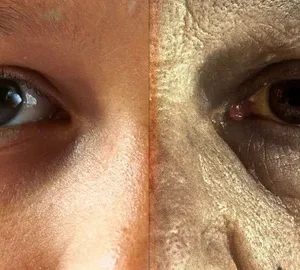
If you’ve ever wondered how to live healthier and longer naturally, the answer is simpler than most people think. Modern research now shows longevity depends less on genetics and more on everyday habits. The daily choices you make — what you eat how you move, how you sleep, and how you manage stress — directly influence both your lifespan.
Here’s what surprised researchers: many long-living people don’t follow strict diets, expensive treatments, or complicated health programs — they follow repeatable daily routines.
Have you ever wondered why some people seem to defy age — staying energetic, sharp, and vibrant well into their later years? What if the secret to living healthier and longer isn’t hidden in a pill but in the everyday choices you make?
Every year, scientists uncover deeper insights into how daily habits influence our health span (the years you live well) and lifespan (how long you live). In 2026, the evidence is clearer than ever: simple, consistent lifestyle habits make the biggest difference. Let’s explore the 7 most powerful, research-backed ways to live healthier and longer — and how you can use them starting today.
Why Longevity Research Is Getting Attention in 2026
How to Live Healthier and Longer Naturally Starts With What You Eat
Healthy eating isn’t about cutting out fun — it’s about nourishing your body with foods that fuel vitality and reduce disease risk.
The most effective eating patterns for long life emphasize whole, plant-rich foods — like colorful fruits, vegetables, whole grains, legumes, nuts, seeds, and lean proteins. Research consistently shows that diets focused on plants and minimally processed foods reduce inflammation, support heart health, and protect against chronic conditions like diabetes and cognitive decline.
Key Eating Tips for Health and Longevity:
- Prioritize fruits and vegetables — packed with antioxidants and fiber
- Include healthy fats like those in olive oil, nuts, and seeds
- Lean proteins (fish, plant proteins) support muscle health
- Limit ultra-processed foods and excess sugars
Move Daily: Your Body Is Designed to Be Active
Movement isn’t optional — it’s essential for longevity.
Whether it’s brisk walking, cycling, stair climbing, or strength training, regular physical activity dramatically lowers the risk of chronic diseases and premature death. In fact, evidence shows that even small amounts of extra activity — like 5 minutes more walking or 30 fewer minutes sitting — can lower mortality risk significantly.
Why Movement Matters:
- Strengthens your heart and lungs
- Supports muscle mass and bone health
- Helps manage weight and insulin sensitivity
- Reduces inflammation tied to aging
Tip: Aim for at least 150 minutes of moderate activity weekly — and sprinkle in strength training at least twice a week.
What Happens to the Body When These Habits Are Ignored?
-
rising blood pressure
-
insulin resistance
-
fatigue
-
weight gain
-
memory decline
Sleep Well — The Restoration You Can’t Skip
Sleep isn’t luxury — it’s biology at work.
While many focus on diet and exercise, consistent, quality sleep is a major driver of health. During deep sleep, your brain clears waste products, hormones rebalance, and cells repair themselves. Missing sleep can throw these systems out of sync and raise the risk of heart disease, diabetes, obesity, and cognitive decline.
Sleep for Longevity:
- Target 7–9 hours each night
- Keep sleep and wake times consistent
- Avoid screens before bed
- Create a dark, cool, comfortable bedtime environment
Even just an extra few minutes of sleep per night can add years to your health span. (Scientific American)

Manage Stress: Calm Is Health
Chronic stress silently wears down your body.
When stress is constant, hormones like cortisol stay elevated — leading to inflammation, weaker immunity, and faster aging. That’s why adopting stress-management habits is so important for long-term health.
Stress-Reduction Practices:
- Deep breathing and meditation
- Daily walks in nature
- Journaling or gratitude practice
- Time with people you love
- Hobbies and downtime
These small practices help soothe your nervous system and give your body space to repair and thrive.
Connect with Others: Friends Are Lifespan Medicine
Surprising as it may sound, social connections are health boosters.
Data shows that people with strong relationships — whether family, friends, or community — tend to live longer and have lower risks of heart disease, depression, and cognitive decline.
Benefits of Staying Connected:
- Reduces stress and feelings of loneliness
- Provides emotional support during challenges
- Encourages healthier behaviors (e.g., walking with a friend)
- Enhances brain health and resilience
Regularly schedule time with people who make you feel good — it’s one of the simplest yet most powerful strategies for long-term health.
After Age 40, These Habits Become Even More Important
As we age, certain changes naturally happen in the body, making healthy habits even more critical:
Metabolism slows
Starting in your 40s, your body burns calories more slowly than in earlier years. This means that even if your diet doesn’t change, you may start to gain weight more easily. Maintaining an active lifestyle and eating nutrient-dense foods can help counteract this slowdown and keep energy levels steady.
Muscle loss
Aging also brings gradual muscle loss, known as sarcopenia. Without regular strength training or movement, you lose muscle mass and strength, which affects balance, mobility, and overall physical function. Incorporating resistance exercises and adequate protein intake helps preserve muscle and maintain independence.
Heart risk rises
As blood vessels naturally stiffen and blood pressure can creep up with age, the risk of heart disease increases. Lifestyle habits like regular exercise, a balanced diet rich in heart-healthy foods, stress management, and routine checkups are key to keeping your cardiovascular system strong and reducing long-term risk.
Avoid Harmful Habits: Protect Your Body
Learning how to live healthier and longer naturally does not require expensive supplements. Consistency in basic habits — nutrition, movement, sleep, and social connection — produces the biggest longevity benefits.
Certain behaviors are proven to shorten life and accelerate aging.
Top Risks to Avoid:
- Smoking — one of the biggest risks for heart and lung disease
- Excessive alcohol — linked to liver damage and cognitive decline
- Sedentary lifestyle — increases risk of chronic illness and weakens circulation
Making the choice to quit harmful habits — or never starting them — gives your body a powerful advantage in the longevity game.
Know Your Numbers: Prevention Is Proactive
Regular checkups and basic health screenings give you actionable insight into your body’s current condition — long before health problems become major.
Smart Health Monitoring Includes:
- Blood pressure and cholesterol screenings
- Blood sugar and weight checks
- Discussions about diet, exercise, and risk factors
- Immunizations and preventive care plans
Working with your healthcare provider puts you in the driver’s seat of your health journey — and often helps predict and prevent disease before it starts.
Longevity Habits Compared: A Quick Look
Here’s a simple table to visualize how these habits contribute to healthier, longer life:
| Lifelong Habit | Primary Benefit | Key Impact |
|---|---|---|
| Balanced Diet | Reduced inflammation | Lower chronic disease risk |
| Regular Movement | Heart & metabolic health | Longer lifespan |
| Quality Sleep | Cellular restoration | Improved immunity |
| Stress Management | Hormonal balance | Lower inflammation |
| Social Connection | Emotional resilience | Cognitive protection |
| Avoid Risky Habits | Body protection | Lower mortality |
| Regular Screenings | Early detection | Prevention of disease |
Ultimately, how to live healthier and longer naturally comes down to daily routines repeated over years.
Why Doctors Recommend Learning How to Live Healthier and Longer Naturally
Modern preventive medicine no longer focuses only on treating illness — it focuses on delaying disease before it starts. Many doctors now agree that the biggest threats to health today are not infections but chronic conditions such as heart disease, diabetes, obesity, and cognitive decline.
What’s important is that these conditions usually develop slowly over years, often without symptoms at first. This is why healthcare professionals emphasize lifestyle medicine. The goal is simple: reduce risk factors early so the body stays functional for longer.
When physicians talk about how to live healthier and longer naturally, they are referring to a combination of everyday behaviors that influence blood pressure, blood sugar regulation, inflammation, and metabolic health. Habits like balanced nutrition, regular physical activity, consistent sleep, and stress control help protect blood vessels, support brain function, and maintain hormonal balance.
Medical research continues to show that small daily habits can have a larger long-term impact than occasional treatments. In many cases, preventing disease through lifestyle changes is more effective than trying to reverse advanced illness later in life.
This is why doctors increasingly encourage patients not only to seek care when sick but to adopt preventive routines while still healthy. Longevity is not just about adding years to life — it is about maintaining independence, mobility, and mental clarity as we age.
For general preventive health guidance, readers can also review recommendations from public health agencies such as the CDC and WHO.
A Small Habit Today Changes Your Health 10 Years From Now
Tiny Habits, Big Rewards
Even a small daily change — like an extra cup of vegetables, a short walk, or going to bed 30 minutes earlier — compounds over time. Scientists call this the “compound effect” of healthy habits. One small choice today can add years of vitality to your future self.
According to Mayo Clinic, consistent sleep supports brain function, immune health, and hormone balance: https://www.mayoclinic.org/healthy-lifestyle/adult-health/in-depth/sleep/art-20048379
The Centers for Disease Control and Prevention explains that regular physical activity lowers the risk of chronic disease, stroke, type 2 diabetes, and some cancers: https://www.cdc.gov/physicalactivity/basics/index.htm
Your Health Is Like a Bank Account
-
Deposit daily: Eat a nutrient-rich snack, drink water, or stretch.
-
Skip occasionally: No big deal — the account grows slowly.
-
Neglect months at a time: Risk factors accumulate, increasing chronic disease.
Consistency Beats Perfection
-
The goal isn’t a perfect routine — it’s repetition.
-
Small, repeated habits protect your heart, brain, and metabolism.
-
These tiny daily wins become invisible armor against aging.
Quick Reflection Question:
Which simple habit could you start today that your future self will thank you for? Maybe:
-
Drinking more water
-
Taking a 10-minute morning walk
-
Scheduling a routine checkup
-
Reducing sugary snacks
The most important secret? Consistency matters more than intensity. Ten years from now, your daily choices today could be the difference between thriving or just getting by.
Scientists even say that adding just a cup of extra vegetables or reducing processed meats can contribute to a longer health span. You can read more about preventive lifestyle recommendations from the World Health Organization: https://www.who.int/news-room/fact-sheets/detail/healthy-die
Share this post with someone who could benefit from healthier, longer living tips.
Comment below: What’s the first habit you want to adopt in 2026?