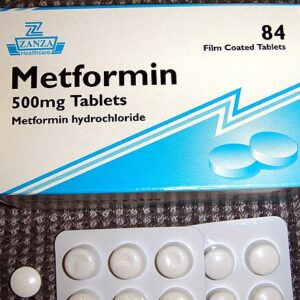
Your doctor prescribes a medication. You fill it. Three months later, you’re back with side effects. Another prescription follows. Welcome to the machine—a system that’s less interested in making you well and more interested in keeping you dependent. But here’s the uncomfortable truth: this isn’t always a conspiracy. It’s often just business.
The healthcare industry generates over $4 trillion annually in the United States alone. Yet despite spending more money on healthcare than any other developed nation, Americans remain sicker than ever. Coincidence? Not exactly.
Section 1: The Business Model Behind Modern Healthcare
Understanding the Profit Motive in Medicine
The fundamental problem starts with how hospitals and pharmaceutical companies make money. They don’t profit from prevention—they profit from treatment. This creates a perverse incentive structure where a healthy population is essentially bad for business.
Consider this: a patient who never gets sick generates zero revenue. But a patient with diabetes, hypertension, and arthritis? That’s a revenue stream for life. They’ll need regular appointments, diagnostic tests, medications, and ongoing management. From a purely financial perspective, that chronically ill patient is far more valuable than a healthy one.
This isn’t to say doctors are villains twirling mustaches in dark rooms. Most healthcare professionals genuinely want to help people. The problem is systemic. Hospitals operate under pressure to generate profits for shareholders. Pharmaceutical companies must answer to investors. Insurance companies need to maintain margins. Within these constraints, the incentives naturally align toward treatment rather than prevention.

The Revenue Streams That Keep You Coming Back
Healthcare facilities generate income through multiple channels, and understanding these helps explain why the system functions as it does:
- Diagnostic testing: Each test generates revenue, creating incentives to order more tests than might be strictly necessary
- Pharmaceutical sales: Medications represent recurring revenue, especially for chronic conditions
- Surgical procedures: High-cost interventions generate significant profits per patient
- Hospital admissions: Extended stays and intensive care generate substantial revenue
- Specialist referrals: Each specialist visit creates additional billing opportunities
A patient managing a chronic condition through medication might generate $5,000-$15,000 annually in healthcare spending. That same patient who successfully reversed their condition through lifestyle changes? They generate nothing. The financial incentive structure is crystal clear.
Section 2: How Chronic Disease Creates Perpetual Patients
The Chronic Disease Trap
Chronic diseases—diabetes, heart disease, obesity, autoimmune conditions—now account for approximately 90% of healthcare spending in America. These aren’t diseases that kill you quickly. They’re diseases that keep you sick, dependent, and profitable for decades.
The system excels at managing chronic disease but struggles with prevention. Why? Because prevention doesn’t generate revenue. A person who never develops diabetes costs the healthcare system nothing. But a diabetic patient? They’ll spend an average of $13,000 annually on healthcare costs over their lifetime.
This creates a perverse incentive: the healthcare industry benefits when prevention fails. It benefits when people develop chronic conditions. It benefits when those conditions persist. The system is optimized for chronicity, not cure.
The Medication Treadmill
Pharmaceutical companies spend more on marketing than research. They’ve perfected the art of creating lifetime customers through medication management. Here’s how it typically works:
A patient develops high blood pressure. They’re prescribed a medication. The medication works but causes side effects—fatigue, erectile dysfunction, or weight gain. Instead of addressing the root cause through lifestyle modification, another medication is prescribed to manage the side effect. This second medication causes its own side effects, requiring a third medication.
Before long, a patient is taking five or six medications daily, each generating revenue for pharmaceutical companies. Each medication requires monitoring through blood tests and doctor visits. Each visit generates additional revenue. The patient becomes trapped in a cycle of dependency that’s incredibly profitable but rarely leads to genuine health improvement.
The Prevention Paradox
Here’s the uncomfortable truth: if everyone adopted healthy habits, the healthcare industry would collapse. If people exercised regularly, ate whole foods, managed stress, and maintained healthy weights, chronic disease rates would plummet. Hospital admissions would decline. Pharmaceutical sales would crater. Diagnostic testing would decrease.
The healthcare system isn’t structured to reward prevention because prevention is bad for business. A patient who reverses their diabetes through weight loss and exercise represents lost revenue. That’s not cynicism—that’s economics.
Section 3: The Pharmaceutical Industry’s Role in Perpetuating Illness
Marketing Illness, Not Health
The pharmaceutical industry has mastered the art of disease creation. They don’t just sell medications—they sell the idea that normal human experiences are diseases requiring treatment.
Shyness becomes “social anxiety disorder.” Sadness becomes “depression.” Restlessness in children becomes “ADHD.” Each newly defined condition represents a new market opportunity. Once a condition is defined, marketing campaigns convince people they have it, and doctors prescribe medications to treat it.
This process is called “disease mongering,” and it’s incredibly effective. A pharmaceutical company invests in research showing that a particular condition is more common than previously thought. They fund medical education programs teaching doctors about this condition. They advertise directly to consumers. Suddenly, millions of people believe they have a condition they’d never heard of five years earlier.
Direct-to-Consumer Advertising: A Unique American Problem
The United States and New Zealand are the only developed nations that allow pharmaceutical companies to advertise medications directly to consumers. This has created a bizarre situation where people watch commercials telling them to “ask your doctor” about medications for conditions they didn’t know they had.
These advertisements are masterfully crafted. They show happy, healthy-looking people living vibrant lives—all while taking the advertised medication. The side effects are mentioned quickly in fine print or rapid voiceover. The message is clear: this medication will make your life better.
The result? Patients come to doctor appointments asking for specific medications they’ve seen advertised. Doctors, facing time pressure and insurance company demands, often comply. The patient gets the medication. The pharmaceutical company gets revenue. Everyone’s happy except the patient, who now takes a medication they might not have needed.
The Revolving Door Between Industry and Medicine
A significant portion of medical education is funded by pharmaceutical companies. Doctors attend conferences sponsored by drug manufacturers. Medical journals publish studies funded by pharmaceutical companies. Researchers receive grants from the industry they’re studying.
This creates an inherent conflict of interest. When the entity funding your research is the pharmaceutical company whose products you’re studying, objectivity becomes difficult. Studies funded by pharmaceutical companies are significantly more likely to show positive results for those companies’ medications than independent studies.
Section 4: Insurance Companies and the Profit Motive
How Insurance Companies Benefit from the Status Quo
Insurance companies occupy an interesting position in the healthcare ecosystem. They’re not directly providing care, but they’re deeply invested in the system’s current structure. And that structure is incredibly profitable for them.
Insurance companies generate revenue through premiums and profits through the difference between premiums collected and claims paid. This creates an incentive to collect high premiums while minimizing payouts. One way to minimize payouts? Deny claims.
Insurance companies employ teams of people whose job is to deny coverage for treatments they deem “unnecessary” or “experimental.” Patients seeking innovative treatments or alternative approaches often face denials. Meanwhile, standard treatments—even if less effective—are typically covered because they’re established and predictable.
This creates a system where the most profitable treatments are those that are established, ongoing, and generate recurring revenue. Prevention and cure are less profitable because they reduce future claims.
The Prior Authorization Trap
Prior authorization—the requirement to get insurance approval before receiving treatment—sounds reasonable in theory. In practice, it’s a profit-maximizing tool that delays care and discourages patients from seeking treatment.
A patient needs a specialist appointment. They call their insurance company. They’re told they need prior authorization. This requires their primary care doctor to submit paperwork. Days or weeks pass. The insurance company denies the authorization, claiming the treatment is “not medically necessary.” The patient appeals. More time passes. Eventually, the patient might receive care, but the delay has caused suffering and sometimes worsening of their condition.
This system benefits insurance companies by delaying expensive treatments and discouraging patients from seeking care they’re entitled to receive. It’s a form of rationing disguised as administrative procedure.
Section 5: The Preventive Care Paradox
Why Prevention Doesn’t Fit the Profit Model
Preventive care is the most cost-effective healthcare intervention available. Preventing a disease costs a fraction of treating it. Yet preventive care receives minimal investment from the healthcare industry.
Why? Because preventive care generates minimal revenue. A person who never develops heart disease never needs cardiac medications, cardiac procedures, or cardiac hospitalizations. They never generate revenue. A person who develops heart disease but manages it with medications and procedures? They generate substantial revenue.
The healthcare system is optimized for treating disease, not preventing it. Insurance companies cover medications and procedures but often don’t cover gym memberships, nutrition counseling, or stress management programs—interventions that could prevent disease in the first place.
The Economics of Prevention
Consider the economics:
| Intervention | Cost | Benefit | Timeline |
|---|---|---|---|
| Weight loss program | $1,000-$5,000 | Prevents multiple chronic diseases | 6-12 months |
| Medication for hypertension | $500-$2,000/year | Manages symptoms, doesn’t cure | Ongoing for life |
| Nutrition counseling | $500-$2,000 | Prevents disease, improves overall health | 3-6 months |
| Cardiac procedure | $50,000-$200,000 | Treats existing disease | One-time or recurring |
| Exercise program | $500-$2,000/year | Prevents disease, improves health | Ongoing |
Prevention is cheaper and more effective, but it generates less revenue. A healthcare system optimized for profit naturally gravitates toward treatment rather than prevention.
The Insurance Company Dilemma
Insurance companies face a unique problem. They benefit from prevention because it reduces claims. But they also benefit from the current system because it generates high premiums. If everyone became healthy through prevention, insurance premiums would plummet, and insurance company profits would decline.
This creates a perverse incentive where insurance companies have a financial interest in maintaining the status quo, even though prevention would be better for their customers.
Section 6: What Patients Can Do: Breaking Free from the System
Taking Control of Your Health
Understanding how the system profits from illness is the first step toward breaking free from it. You can’t change the entire healthcare industry alone, but you can change your relationship with it.
Start with prevention:
- Prioritize sleep, exercise, and stress management
- Adopt a whole-food diet rich in vegetables and lean proteins
- Build strong social connections and community
- Engage in regular physical activity
- Practice stress reduction techniques like meditation or yoga
These interventions are free or low-cost, yet they’re more effective than most medications at preventing chronic disease. They don’t generate revenue for the healthcare industry, which is precisely why they’re not heavily promoted.
Becoming a Savvy Healthcare Consumer
When you do need healthcare, approach it strategically:
- Ask questions: Why is this test being ordered? What will change based on the results? Is this medication necessary, or can lifestyle changes address the issue?
- Seek second opinions: For major diagnoses or procedures, get another perspective
- Research thoroughly: Use credible sources to understand your condition and treatment options
- Consider lifestyle interventions first: Before accepting a medication, ask if lifestyle changes could address the issue
- Track your health: Keep records of symptoms, medications, and outcomes to identify patterns
Advocating for Systemic Change
Individual actions matter, but systemic change requires collective action:
- Support preventive health initiatives: Vote for policies that fund prevention and public health
- Demand transparency: Push for clearer information about medication side effects and effectiveness
- Question direct-to-consumer advertising: Recognize it as marketing, not education
- Support alternative healthcare models: Functional medicine, integrative health, and preventive-focused practices offer different approaches
- Share information: Help others understand how the system works and how to navigate it more effectively
Section 7: The Path Forward: Reimagining Healthcare
What a Prevention-Focused System Would Look Like
Imagine a healthcare system optimized for health rather than profit. It would look dramatically different:
Prevention would be prioritized:
- Nutrition counseling would be covered by insurance
- Gym memberships would be subsidized
- Mental health support would be readily available
- Community health programs would be well-funded
- Lifestyle interventions would be the first line of treatment
Treatment would be evidence-based:
- Medications would be prescribed based on effectiveness, not profitability
- Procedures would be performed when necessary, not when profitable
- Conflicts of interest would be eliminated
- Research would be independent of industry funding
Patients would be empowered:
- Healthcare providers would have time to listen and educate
- Patients would understand their conditions and treatment options
- Prevention would be celebrated and rewarded
- Health outcomes would be the measure of success, not revenue
The Role of Technology and Innovation
Technology offers opportunities to shift the system toward prevention and health optimization:
- Wearable devices can track health metrics and identify early warning signs
- Telemedicine can make preventive care more accessible and affordable
- Artificial intelligence can identify disease risk before symptoms develop
- Data analytics can reveal which interventions are most effective for different populations
- Mobile apps can support behavior change and lifestyle modification
These technologies could shift healthcare from reactive treatment to proactive prevention. But only if the incentive structure changes to reward prevention rather than treatment.
Policy Changes That Could Transform Healthcare
Systemic change requires policy intervention:
- Separate profit from healthcare: Move toward non-profit models or government-funded systems
- Eliminate conflicts of interest: Prohibit pharmaceutical company funding of medical education and research
- Regulate direct-to-consumer advertising: Restrict misleading marketing of medications
- Incentivize prevention: Reward healthcare providers for keeping patients healthy, not for treating disease
- Increase transparency: Require clear disclosure of medication effectiveness, side effects, and costs
- Fund public health: Invest in community health programs, nutrition education, and preventive initiatives
Section 8: The Bottom Line
The Uncomfortable Truth
The healthcare industry profits from illness. This isn’t a conspiracy theory—it’s basic economics. When a system’s revenue depends on people being sick, that system will naturally optimize for sickness rather than health.
This doesn’t mean doctors are evil or that all healthcare is unnecessary. Most healthcare professionals genuinely want to help people. The problem is structural. The incentives are misaligned. The system rewards treatment over prevention, medication over lifestyle change, and ongoing management over cure.
Your Power in the Equation
But here’s the empowering part: you have more control than you think. You can’t single-handedly change the healthcare industry, but you can change your relationship with it. You can prioritize prevention. You can question unnecessary treatments. You can seek out healthcare providers who share your values. You can support systemic change through voting and advocacy.
The healthcare system won’t change overnight. But it will change when enough people recognize how it works and demand something better. That change starts with you—with understanding the system, protecting your health, and refusing to be just another profitable patient.
Call-to-Action
Ready to take control of your health? Start today by implementing one preventive health habit. Share this article with someone who needs to understand how the healthcare system really works. Together, we can shift the conversation from treatment to prevention, from profit to health.