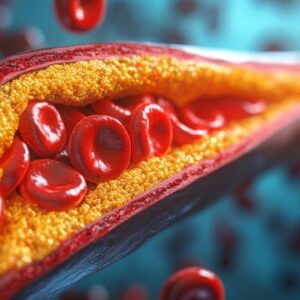
Your doctor prescribed blood pressure medication to protect your heart. But what if that same pill is silently harming your kidneys? Millions of people take antihypertensive drugs daily, trusting they’re doing the right thing—yet few realize that certain medications come with a hidden cost to kidney function.
Section 1: The Paradox Nobody Talks About
When Sarah turned 52, her cardiologist delivered news she wasn’t expecting: high blood pressure. The diagnosis felt like a betrayal—she exercised regularly, ate relatively well, and considered herself healthy. Within days, she was taking a daily pill to manage her condition. Five years later, during a routine checkup, her nephrologist dropped another bombshell: her kidney function had declined significantly.
Sarah’s story isn’t unique. Approximately 45 million Americans take blood pressure medications, yet the conversation about potential kidney complications remains frustratingly quiet. The irony is striking: we take these drugs to prevent cardiovascular disease and stroke, but some of the most commonly prescribed options can gradually compromise renal function—the very organs responsible for filtering waste from your blood.
This paradox sits at the heart of modern medicine. Blood pressure control is undeniably important. Hypertension damages blood vessels, increases heart attack risk, and can trigger stroke. However, the medications we rely on to manage this condition operate through mechanisms that sometimes stress the kidneys. Understanding this relationship isn’t about abandoning your prescriptions—it’s about making informed decisions with your healthcare provider.
The problem intensifies when you consider that kidney disease often develops silently. Many people don’t realize their renal function is declining until significant damage has occurred. By then, the situation becomes complicated: stop the blood pressure medication and risk cardiovascular events, or continue and watch kidney function deteriorate.

Section 2: Which Blood Pressure Medications Pose the Greatest Kidney Risk?
Not all antihypertensive drugs affect kidneys equally. Some classes carry significantly higher risks than others, and understanding these differences empowers you to have meaningful conversations with your doctor.
ACE Inhibitors and ARBs: The Complicated Protectors
ACE inhibitors (like lisinopril and enalapril) and angiotensin II receptor blockers, commonly called ARBs (like losartan and valsartan), represent some of the most frequently prescribed blood pressure medications. Here’s where it gets confusing: these drugs actually protect kidney function in many patients, particularly those with diabetes or existing kidney disease. They reduce pressure within the kidney’s filtering units, potentially slowing disease progression.
However—and this is crucial—they can cause acute kidney injury in specific situations. When someone has severe dehydration, takes NSAIDs simultaneously, or has certain underlying kidney conditions, ACE inhibitors and ARBs can paradoxically worsen renal function. This happens because these medications rely on maintaining a delicate balance of kidney blood flow. Disrupt that balance, and problems emerge quickly.
The risk escalates when ACE inhibitors or ARBs combine with other medications. Add a diuretic and an NSAID to the mix, and you’ve created what nephrologists call the “triple whammy”—a dangerous combination that significantly increases acute kidney injury risk.
NSAIDs: The Underestimated Threat
Non-steroidal anti-inflammatory drugs deserve special attention in this discussion. Many people don’t even consider NSAIDs as blood pressure medications—yet they’re frequently used to manage hypertension-related pain and inflammation. Ibuprofen, naproxen, and similar drugs are available over-the-counter, which means people often take them without realizing the kidney implications.
NSAIDs work by blocking prostaglandins, hormone-like substances that help regulate kidney blood flow and protect the glomeruli (the kidney’s filtering structures). Regular NSAID use reduces kidney blood flow and can trigger acute kidney injury, especially in people with existing hypertension or renal disease. The danger multiplies when NSAIDs combine with ACE inhibitors or diuretics—that triple whammy scenario again.
What makes NSAIDs particularly concerning is their accessibility. People reach for ibuprofen for headaches without considering long-term kidney implications. Over months and years, this casual use accumulates into significant renal damage.
Diuretics: Necessary but Demanding
Diuretics—water pills like furosemide and hydrochlorothiazide—work by increasing urine production, reducing blood volume and consequently lowering blood pressure. They’re effective, which is why doctors prescribe them frequently. Yet they carry their own kidney complications.
Diuretics can cause electrolyte imbalances, dehydration, and acute kidney injury, particularly in elderly patients or those with existing renal compromise. They increase uric acid levels, potentially triggering gout and kidney stone formation. Long-term use can lead to chronic kidney disease progression in susceptible individuals.
The challenge with diuretics is that their benefits for blood pressure control must be weighed against these renal risks. For some patients, the cardiovascular benefits outweigh kidney concerns. For others, alternative approaches might prove safer.
Beta-Blockers and Calcium Channel Blockers: The Relatively Safer Options
Beta-blockers (like metoprolol and atenolol) and calcium channel blockers (like amlodipine and diltiazem) generally pose lower direct kidney risks compared to other antihypertensive classes. They don’t significantly alter kidney blood flow or electrolyte balance in the same way ACE inhibitors, ARBs, NSAIDs, and diuretics do.
However, this doesn’t mean they’re risk-free. Beta-blockers can mask hypoglycemia symptoms in diabetic patients, potentially leading to severe blood sugar fluctuations that indirectly harm kidneys. Calcium channel blockers can cause fluid retention, which complicates management in patients with existing kidney disease.
Section 3: Understanding the Kidney Damage Mechanism
To appreciate why certain blood pressure medications threaten kidney function, you need to understand how kidneys work and how these drugs interfere with that process.
The Kidney’s Delicate Filtration System
Your kidneys are sophisticated filtering organs containing approximately one million nephrons—microscopic structures responsible for removing waste and excess water from blood. Each nephron includes a glomerulus (a network of tiny blood vessels) and a tubule (a small channel that processes filtered fluid).
Blood pressure directly influences kidney function. The kidneys need adequate blood pressure to filter waste effectively. However, excessive pressure damages the delicate glomerular structures, causing scarring and progressive function loss. This is why blood pressure control matters so profoundly.
Blood pressure medications lower systemic pressure, protecting the heart and brain. However, some drugs achieve this by reducing blood flow to the kidneys themselves. When kidney blood flow drops below critical thresholds, the filtration process falters. Waste accumulates, and kidney function declines.
How Specific Medications Interfere
ACE inhibitors and ARBs work by blocking angiotensin II, a hormone that constricts blood vessels. In the kidneys, angiotensin II maintains pressure within the glomerulus. Block it, and glomerular pressure drops—which is usually protective. But in dehydrated states or with concurrent NSAID use, this pressure drop becomes dangerous, causing acute kidney injury.
NSAIDs suppress prostaglandin production. Prostaglandins dilate kidney blood vessels and maintain glomerular filtration. Without adequate prostaglandins, kidney blood flow decreases, filtration slows, and waste accumulates. This mechanism explains why NSAIDs pose particular danger to people with existing kidney disease.
Diuretics increase urine output by preventing the kidneys from reabsorbing water and electrolytes. While this lowers blood pressure, it can trigger dehydration and electrolyte imbalances. Severe dehydration reduces kidney blood flow, potentially causing acute kidney injury. Electrolyte imbalances stress kidney function and can trigger dangerous cardiac arrhythmias.
Section 4: Warning Signs Your Blood Pressure Medication Might Be Harming Your Kidneys
Kidney disease progresses silently in its early stages. Most people experience no symptoms until significant damage has occurred. However, certain warning signs warrant immediate medical attention.
Key Warning Indicators
Changes in Urination Patterns
- Decreased urine output or inability to urinate
- Increased urination frequency, especially at night
- Foamy or bloody urine
- Persistent urinary urgency without infection
Physical Symptoms
- Unexplained fatigue and weakness
- Persistent nausea or vomiting
- Loss of appetite
- Swelling in legs, ankles, or face (indicating fluid retention)
- Shortness of breath
- Persistent itching without skin conditions
Laboratory Findings
- Elevated creatinine levels (indicating reduced kidney filtration)
- Rising blood urea nitrogen (BUN)
- Abnormal electrolyte levels
- Protein in urine (proteinuria)
- Declining glomerular filtration rate (GFR)
When to Seek Immediate Medical Attention
Contact your healthcare provider urgently if you experience sudden changes in urination, severe swelling, difficulty breathing, or chest pain. These symptoms might indicate acute kidney injury—a medical emergency requiring immediate intervention.
Section 5: Comparative Analysis of Blood Pressure Medications and Kidney Safety
| Medication Class | Kidney Risk Level | Primary Concern | Safe for Kidney Disease? | Monitoring Required |
|---|---|---|---|---|
| ACE Inhibitors | Moderate (conditional) | Acute injury in dehydration | Yes, with caution | Creatinine, potassium |
| ARBs | Moderate (conditional) | Acute injury in dehydration | Yes, with caution | Creatinine, potassium |
| NSAIDs | High | Reduced kidney blood flow | No, avoid if possible | Creatinine, renal function |
| Diuretics | Moderate-High | Dehydration, electrolyte imbalance | Conditional | Electrolytes, creatinine |
| Beta-Blockers | Low | Indirect metabolic effects | Yes | Blood glucose, heart rate |
| Calcium Channel Blockers | Low | Fluid retention | Yes | Blood pressure, edema |
Section 6: Risk Factors That Amplify Medication-Related Kidney Damage
Certain conditions and circumstances significantly increase your vulnerability to blood pressure medication-related kidney complications.
High-Risk Populations
Diabetic Patients
Diabetes damages blood vessels throughout the body, including those in the kidneys. People with diabetes already face elevated kidney disease risk. Adding potentially nephrotoxic blood pressure medications compounds this danger. Diabetic patients require particularly careful medication selection and close monitoring.
Elderly Individuals
Kidney function naturally declines with age. Elderly people often take multiple medications simultaneously, increasing drug interaction risks. Their bodies process medications differently, potentially leading to dangerous accumulation. Age alone doesn’t contraindicate blood pressure medication use, but it demands heightened vigilance.
People with Existing Kidney Disease
This seems obvious, yet many people with chronic kidney disease continue taking medications that further compromise renal function. Advanced kidney disease fundamentally changes how medications are processed and eliminated. Dosage adjustments become essential, and certain drug classes must be avoided entirely.
Dehydrated or Volume-Depleted Individuals
Dehydration—whether from illness, excessive sweating, or inadequate fluid intake—reduces kidney blood flow. Combined with ACE inhibitors, ARBs, or NSAIDs, dehydration can trigger acute kidney injury. People prone to dehydration require careful medication management and consistent hydration.
Those Taking Multiple Medications
The “triple whammy” combination of ACE inhibitors/ARBs, NSAIDs, and diuretics significantly increases acute kidney injury risk. However, any combination of medications affecting kidney function demands careful consideration and monitoring.
Section 7: Safer Alternatives and Protective Strategies
The goal isn’t to abandon blood pressure control—it’s to achieve it safely while protecting kidney function.
Alternative Medication Approaches
Lifestyle Modifications First
Before jumping to medications, explore lifestyle changes that genuinely lower blood pressure:
- Reduce sodium intake to less than 2,300 mg daily
- Maintain regular aerobic exercise (150 minutes weekly)
- Achieve and maintain healthy weight
- Limit alcohol consumption
- Manage stress through meditation or yoga
- Increase potassium-rich foods (with medical approval)
For many people, these modifications alone reduce blood pressure sufficiently to delay or eliminate medication needs.
Medication Selection Strategies
- Prioritize ACE inhibitors or ARBs for patients with diabetes or existing kidney disease (they’re actually protective in these populations)
- Avoid NSAIDs whenever possible; use acetaminophen for pain management instead
- Use diuretics at the lowest effective doses
- Consider beta-blockers or calcium channel blockers as first-line agents when kidney protection is paramount
- Combine medications strategically to avoid dangerous interactions
Protective Monitoring Practices
Regular Laboratory Testing
- Baseline kidney function assessment before starting blood pressure medication
- Annual creatinine and GFR testing for stable patients
- More frequent monitoring (every 3-6 months) for high-risk individuals
- Electrolyte panels to detect imbalances early
Medication Adjustment Protocols
- Dose reduction as kidney function declines
- Elimination of potentially harmful drug combinations
- Regular medication reviews with your healthcare team
- Prompt discontinuation of medications causing kidney damage
Hydration and Lifestyle Management
- Maintain consistent fluid intake (typically 2-3 liters daily, adjusted for kidney disease)
- Avoid excessive sweating without fluid replacement
- Monitor weight changes (sudden gains might indicate fluid retention)
- Report any changes in urination patterns immediately
Section 8: What You Should Do Right Now
Understanding these risks shouldn’t create panic—it should empower informed action.
Immediate Steps
Review Your Current Medications
List all blood pressure medications and supplements you’re taking. Note the specific drugs, dosages, and how long you’ve been on them. Bring this list to your next appointment.
Request Kidney Function Testing
If you haven’t had recent kidney function tests, ask your doctor for creatinine levels and GFR calculation. These simple blood tests provide crucial baseline information.
Discuss Your Individual Risk Profile
Talk honestly with your healthcare provider about your specific risk factors. Are you diabetic? Do you have existing kidney disease? Are you taking NSAIDs regularly? This conversation shapes appropriate medication choices.
Explore Lifestyle Modifications
Even if you need medications, lifestyle changes amplify their effectiveness and reduce required doses. Start with one change—perhaps reducing sodium intake—and build from there.
Questions to Ask Your Doctor
- “Are my current blood pressure medications appropriate given my kidney function?”
- “What are the alternatives if my current medications are harming my kidneys?”
- “How often should I have kidney function tested?”
- “What warning signs should prompt me to contact you immediately?”
- “Can I reduce my medication doses through lifestyle changes?”
- “Are there safer medication combinations I should consider?”
Section 9: The Bottom Line—Balancing Blood Pressure Control with Kidney Protection
Blood pressure management remains essential. Uncontrolled hypertension causes heart attacks, strokes, and kidney disease. The goal isn’t to avoid blood pressure medication—it’s to use it wisely.
Your kidneys deserve the same protection your heart receives. This means:
- Choosing medications carefully based on your individual risk profile
- Avoiding dangerous drug combinations that amplify kidney injury risk
- Monitoring kidney function regularly to catch problems early
- Maintaining open communication with your healthcare team
- Exploring lifestyle modifications that reduce medication dependence
- Taking action immediately if warning signs appear
The conversation about blood pressure medications and kidney damage needs to happen more openly. Patients deserve to understand these risks. Healthcare providers need to weigh cardiovascular benefits against renal costs more explicitly. Together, we can achieve blood pressure control without sacrificing kidney health.
Your prescriptions aren’t your enemy—but they deserve respect and careful management. By staying informed, asking questions, and maintaining vigilant monitoring, you can protect both your heart and your kidneys for years to come.
Call-to-Action
Don’t wait for kidney damage to become obvious. Schedule a kidney function test today and review your blood pressure medications with your healthcare provider. Your future self will thank you for taking action now. Share this article with anyone taking blood pressure medication—they need to know these hidden risks too.