What if the secret to more energy, slower aging, and fewer diseases wasn’t hiding in a pill—but on your plate?
Spoiler alert: it is. And it’s delicious.
Inflammation is like that one guest who overstays their welcome. Helpful in short bursts, but destructive when it lingers. Chronic inflammation quietly fuels heart disease, diabetes, brain decline, and accelerated aging. The good news? You can calm it—naturally—using anti-inflammatory foods backed by science.
This guide breaks down the most powerful anti-inflammatory foods, how they work, and how to eat them daily without turning your life upside down.
🥗 Why Anti-Inflammatory Foods Matter More Than Ever
Inflammation isn’t inherently bad. It’s your body’s emergency response team. The problem starts when the alarm never shuts off.
Long-term inflammation acts like slow rust on the body. It damages blood vessels, disrupts hormones, stresses the brain, and accelerates aging from the inside out. Research consistently links chronic inflammation to heart disease, Alzheimer’s, autoimmune disorders, and even cancer.
Here’s where anti-inflammatory foods step in.
Instead of masking symptoms, these foods work at the root—neutralizing oxidative stress, feeding beneficial gut bacteria, and calming inflammatory signaling pathways. According to research summarized by Harvard Health, diets rich in whole plant foods are strongly associated with lower inflammatory markers like CRP and IL-6
👉 https://www.health.harvard.edu/staying-healthy/foods-that-fight-inflammation
In plain language?
What you eat today quietly decides how you’ll feel years from now.
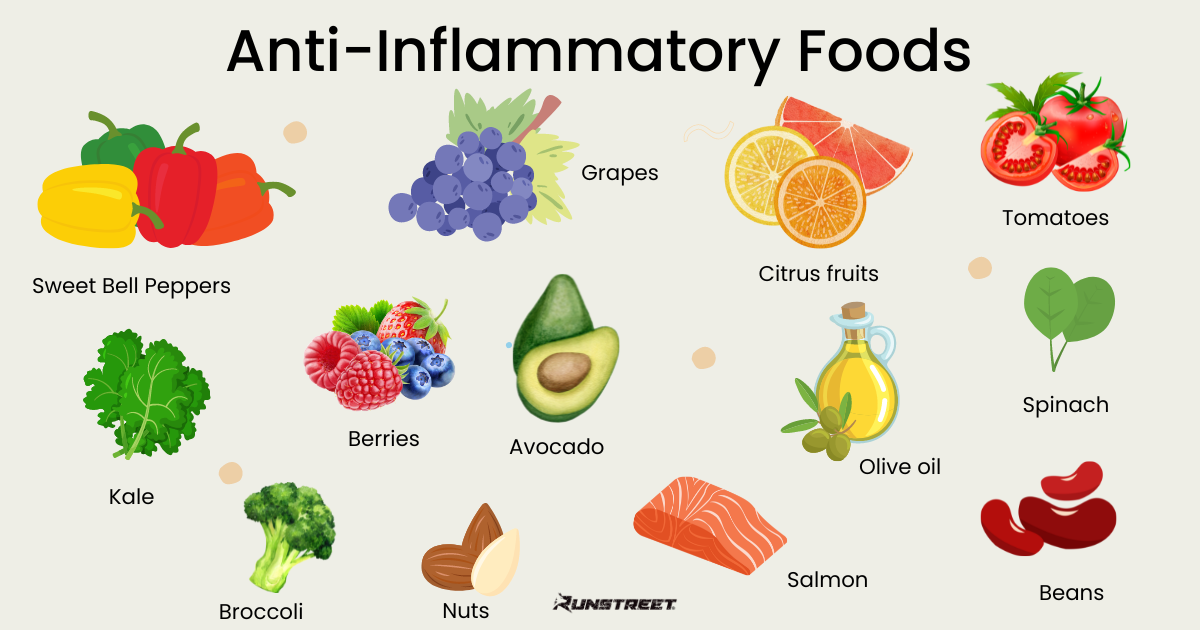
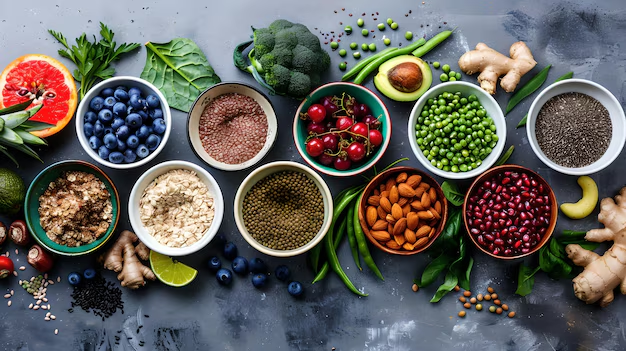
🍓 Anti-Inflammatory Foods: Berries That Punch Above Their Weight
Berries may be small, but they fight inflammation like seasoned warriors.
Their deep colors come from anthocyanins, powerful plant compounds shown to improve cholesterol, protect blood vessels, and reduce heart disease risk. Regular berry intake is associated with better metabolic health and lower oxidative stress.
What makes berries special is diversity. Each variety brings a slightly different nutrient profile:
- Blueberries → brain and vascular protection
- Blackberries → gut and immune support
- Black currants → exceptionally high anthocyanins
- Raspberries → fiber and metabolic benefits
Studies show that consuming 1–2 cups most days delivers measurable benefits. Frozen berries are just as effective, making them affordable and accessible year-round.
Pro tip: Freeze-dried berry powders preserve nutrients best—just avoid sugary blends pretending to be “superfoods.”
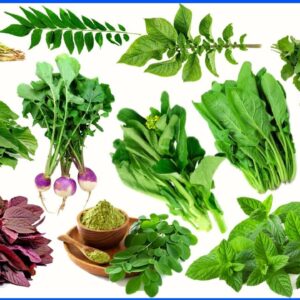
🥬 Dark Leafy Greens: Nature’s Anti-Inflammatory Shield
If berries are the fireworks, greens are the foundation.
Dark leafy greens like kale, spinach, rocket, and chard deliver fiber, vitamin K, folate, and carotenoids like lutein—a compound that acts like internal sunscreen against oxidative stress.
One study found that just one daily serving of leafy greens was associated with slower cognitive decline equivalent to being 11 years younger.
Why darker is better:
- Darker greens = higher carotenoid concentration
- More carotenoids = lower inflammatory signaling
Cultures worldwide figured this out centuries ago:
- Sukuma wiki in East Africa
- Sarson ka saag in India
- Quelites in Mexico
Sauté them, blend them, or eat them raw—but rotate both cooked and raw forms to preserve nutrient variety.
🌱 Anti-Inflammatory Foods That Start Young: Sprouts
Sprouts are plants at their most powerful phase.
Broccoli sprouts, in particular, contain up to 50 times more sulforaphane than mature broccoli. Sulforaphane activates Nrf2, a master switch for your body’s detox and antioxidant systems.
In one clinical trial, daily consumption of 30g of broccoli sprouts led to:
- Up to 59% reduction in inflammatory markers
- Significant drops in CRP and IL-6
They’re easy to grow, cheap, and versatile:
- Toss onto salads
- Add to grain bowls
- Layer on avocado toast
Sprouts aren’t garnish. They’re a cornerstone.
🫒 Extra Virgin Olive Oil: Liquid Anti-Inflammatory Gold
Extra virgin olive oil (EVOO) is more than fat—it’s functional medicine.
Its polyphenols, especially oleocanthal, work on the same inflammatory pathways as ibuprofen—gently and consistently. This is why the Mediterranean diet remains one of the most studied longevity diets in the world.
A daily drizzle (~7g) has been linked to:
- Lower dementia-related mortality
- Improved cardiovascular health
What to look for:
- Cold-pressed
- Dark glass bottle
- Harvest date within 12 months
- Peppery throat “kick” (a good sign!)
Yes, you can cook with it. The polyphenols actually protect it from heat degradation at moderate temperatures.
🥜 Nuts & Seeds: Small Foods, Massive Impact
Nuts and seeds are often misunderstood because of calories. That’s like judging a book by its weight.
They deliver:
- Healthy fats (omega-3s)
- Polyphenols
- Fiber
- Minerals like magnesium and zinc
Just 28g per day of mixed nuts is associated with:
- Lower inflammation
- Better cholesterol
- 19% reduced heart disease risk
Seed Superstars
- Flaxseed → lignans (SDG) with strong anti-inflammatory data
- Sesame → sesamin protects blood vessels
- Sunflower seeds → vitamin E and linoleic acid
Grind flax for absorption. Store seeds properly. Mix varieties for synergy.
🫘 Legumes & Whole Grains: Gut-Driven Inflammation Control
Beans, lentils, and whole grains feed your gut microbiome. In return, your microbes produce short-chain fatty acids, which strengthen the gut barrier and reduce systemic inflammation.
You don’t need much:
- ~400g cooked legumes per week
- ~200g whole grains per day
Best options:
- Lentils
- Chickpeas
- Buckwheat
- Black rice
- Red sorghum (rich in unique polyphenols)
According to research published via PubMed Central, whole-grain polyphenols significantly reduce oxidative stress and inflammatory markers
👉 https://www.ncbi.nlm.nih.gov/pmc/articles/PMC5452224/
🌶️ Spices & Anti-Inflammatory Drinks That Work Quietly
Spices are concentrated anti-inflammatory tools hiding in plain sight.
Top performers:
- Ginger → lowers CRP and TNF-α
- Turmeric → curcumin rivals NSAIDs in trials
- Nigella (black cumin) → rapid inflammation reduction
Anti-inflammatory drinks include:
- Green tea / matcha
- Coffee (2–3 cups max, before 11am)
- Hibiscus tea
- Pomegranate juice (no sugar)
Avoid sugar-loaded “health drinks.” They undo the benefits.
📊 Anti-Inflammatory Foods at a Glance
| Food Group | Key Compounds | Daily Amount |
|---|---|---|
| Berries | Anthocyanins | 1–2 cups |
| Greens | Lutein, carotenoids | 1 serving |
| Olive Oil | Oleocanthal | 2–3 tbsp |
| Nuts | Polyphenols | 28g |
| Seeds | Lignans, omega-3 | 1–2 tbsp |
| Legumes | Fiber, SCFAs | 3–4 tbsp |
🔑 The BBGs Hack: Simple, Sustainable, Powerful
Feeling overwhelmed? Here’s the hack:
BBGs
- Beans
- Berries
- Greens
- Seeds
- Nuts
Ask yourself one question at day’s end:
“Did I hit my BBGs?”
You don’t need perfection—just consistency.
Final Thoughts: Eat to Calm the Fire
Lowering inflammation isn’t about restriction.
It’s about adding the right foods often enough.
Think of anti-inflammatory foods as quiet guardians—working in the background, day after day, protecting your future self.
Your body is listening. Feed it wisely.
Call to Action
👉 Share this guide with someone who needs more energy
👉 Read more on evidence-based nutrition
👉 Start today—your future self will thank you