Introduction: The Hidden Cost of Heart Protection
Every day, millions of people swallow a small pill believing it’s their insurance policy against heart disease. Statins—those cholesterol-lowering medications prescribed by doctors worldwide—have become so routine that we rarely question what happens inside our bodies when we take them. But here’s what many patients don’t realize: the very drug designed to protect your heart could be silently affecting your liver, the body’s most resilient organ and its primary detoxification center.
The irony is striking. We’re told these medications are “safe” and “well-tolerated,” yet the fine print on the package insert tells a different story. Liver damage, though rare, remains a documented side effect that deserves serious attention. This isn’t about fear-mongering or rejecting modern medicine—it’s about understanding the complete picture so you can make informed decisions about your health.
If you’re taking a statin, have a family history of liver disease, or simply want to understand what your doctor might not emphasize during a five-minute office visit, this guide will walk you through everything you need to know about cholesterol medications and liver health.
Understanding Statins: How They Work and Why Liver Health Matters
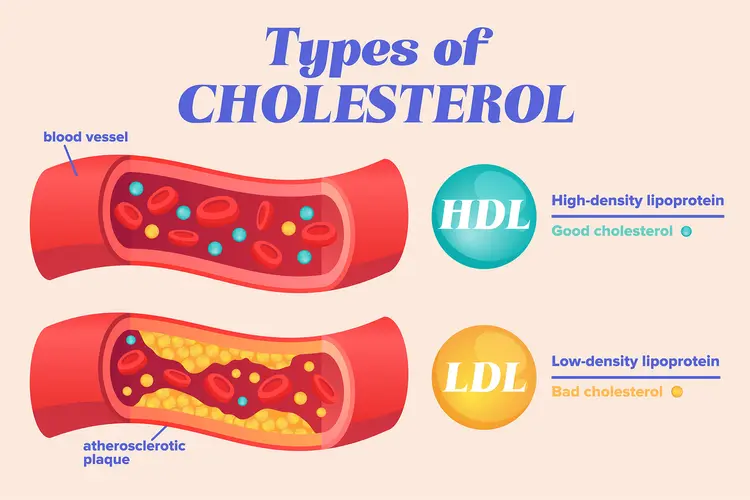
Statins work by blocking an enzyme in your liver called HMG-CoA reductase, which your body uses to produce cholesterol. By inhibiting this enzyme, statins reduce the amount of cholesterol your liver manufactures, which theoretically lowers your blood cholesterol levels and reduces heart disease risk. The logic is sound, and for many people, statins do provide cardiovascular benefits.
However, this mechanism of action reveals an important truth: statins directly interfere with liver function. Your liver isn’t just a passive bystander in this process—it’s the primary site where statins work. This constant biochemical intervention can, in some individuals, trigger adverse reactions ranging from mild enzyme elevation to serious hepatotoxicity. Understanding this relationship is crucial because your liver performs over 500 functions daily, and any disruption can have cascading effects throughout your body.
The challenge is that most patients never learn this detail. Doctors prescribe statins with the confidence of decades of use and millions of satisfied patients. Yet they often gloss over the monitoring requirements and potential complications. This knowledge gap leaves patients vulnerable to missing early warning signs that their liver is struggling.
Recognizing the Symptoms: What Liver Stress Looks Like
Common Early Warning Signs
The tricky aspect of statin-related liver complications is that symptoms often appear subtle and easily mistaken for other conditions. Here are the primary symptoms you should monitor, listed in order of commonality:
Fatigue and Weakness — This is the most frequently reported symptom among patients experiencing statin-related liver issues. Unlike normal tiredness, this fatigue persists despite adequate sleep and doesn’t improve with rest. Patients describe it as a heaviness that makes even routine activities feel exhausting. This occurs because your liver’s reduced efficiency means your body struggles to process nutrients and eliminate toxins effectively.
Abdominal Discomfort — A dull ache or persistent discomfort in the upper right quadrant of your abdomen (where your liver sits) can indicate inflammation or stress. Some patients describe it as a mild pressure or fullness rather than sharp pain. This symptom often worsens after eating fatty foods, as your liver works harder to process them.
Jaundice (Yellowing of Skin and Eyes) — While less common, this is a more serious indicator. A yellowish tint to your skin or the whites of your eyes suggests bilirubin accumulation, meaning your liver isn’t processing waste products efficiently. This symptom demands immediate medical attention.
Dark Urine and Pale Stools — These changes reflect abnormal bile production and processing. Dark urine occurs because excess bilirubin is being filtered through your kidneys, while pale stools indicate insufficient bile reaching your digestive tract.
Nausea and Loss of Appetite — Feeling queasy or suddenly losing interest in foods you normally enjoy can signal liver dysfunction. This symptom often accompanies the fatigue and may worsen throughout the day.
Secondary Symptoms and Progression
Beyond these primary indicators, some patients experience secondary symptoms that develop as liver stress intensifies:
- Itching (pruritus), particularly on palms and soles
- Swelling in legs and ankles (edema)
- Bruising more easily than usual
- Brain fog or difficulty concentrating
- Headaches that don’t respond to typical treatments
- Muscle pain (myalgia) that extends beyond statin-related myopathy
Important Context on Symptom Onset: Statin-related liver complications typically emerge within the first 3-6 months of starting medication, though they can develop at any point. If you’ve been taking a statin for years without symptoms, your risk profile is lower—but this doesn’t eliminate the need for monitoring.
Root Causes and Risk Factors: Who’s Most Vulnerable?
How Statins Affect Liver Function
Statins cause liver complications through several mechanisms. First, they inhibit the enzyme responsible for cholesterol synthesis, which disrupts normal hepatic metabolism. Second, some statins are metabolized through the cytochrome P450 enzyme system in your liver, creating additional metabolic burden. Third, statins can trigger an inflammatory response in liver tissue, leading to hepatitis-like symptoms.
The degree of liver stress varies dramatically based on which statin you’re taking. Simvastatin and atorvastatin, for example, undergo extensive liver metabolism and carry higher risk profiles than pravastatin or rosuvastatin, which bypass hepatic metabolism more efficiently.
Controllable Risk Factors (You Can Modify These)
Alcohol Consumption — This is perhaps the most significant controllable risk factor. Alcohol and statins both stress your liver’s detoxification pathways. When combined, they create a compounding effect that dramatically increases hepatotoxicity risk. If you’re taking a statin, limiting alcohol to no more than one drink daily (or eliminating it entirely) is prudent.
Medication Interactions — Certain drugs amplify statin effects on the liver. Medications like erythromycin, clarithromycin, antifungals, and some blood pressure medications can inhibit the enzymes that break down statins, causing them to accumulate in your system. Always inform your doctor about every supplement and medication you’re taking.
Poor Diet and Obesity — A diet high in processed foods, refined carbohydrates, and unhealthy fats increases liver inflammation and fatty liver disease risk. Obesity itself is associated with non-alcoholic fatty liver disease (NAFLD), which compounds statin-related liver stress. Conversely, a Mediterranean-style diet rich in antioxidants and anti-inflammatory foods can protect liver function.
Sedentary Lifestyle — Regular exercise improves liver function and metabolic health. Physical activity enhances blood flow to the liver and reduces inflammation. Even moderate exercise (150 minutes weekly of brisk walking) provides measurable hepatoprotective benefits.
Uncontrollable Risk Factors (Genetic and Biological)
Age — Liver function naturally declines with age, making older adults more susceptible to statin-related complications. If you’re over 65, your liver’s ability to metabolize medications decreases by approximately 30-40%.
Genetic Variations — Some people have genetic variations in the cytochrome P450 enzymes responsible for statin metabolism. These variations mean your body processes statins differently than average, potentially leading to higher drug concentrations and increased liver stress. Genetic testing can identify these variations, though it’s not routinely offered.
Pre-existing Liver Disease — If you have hepatitis, cirrhosis, fatty liver disease, or any chronic liver condition, statins pose substantially higher risks. Your already-compromised liver has less capacity to handle additional metabolic stress.
Female Gender — Women experience statin-related liver complications at slightly higher rates than men, though the reasons aren’t fully understood. Hormonal factors may play a role.
Diabetes — Diabetic patients show increased susceptibility to statin-related liver injury, possibly because diabetes itself causes metabolic dysfunction and liver inflammation.
Prevention: Protecting Your Liver While Managing Cholesterol
Medical Monitoring and Proactive Testing
The foundation of prevention is regular liver function testing. Before starting a statin, your doctor should establish baseline liver enzyme levels (ALT and AST). These tests should be repeated 6-12 weeks after starting medication, then annually thereafter. If your ALT or AST levels rise above three times the upper limit of normal, your doctor should consider discontinuing the statin or switching to an alternative.
Request specific liver function tests: AST (aspartate aminotransferase), ALT (alanine aminotransferase), and bilirubin levels. These three markers provide the clearest picture of hepatic stress. Don’t accept vague reassurance—ask for actual numbers and trends.
Lifestyle Modifications That Protect Liver Health
Optimize Your Diet — Focus on whole foods that support liver function. Cruciferous vegetables (broccoli, Brussels sprouts, cabbage) contain compounds that enhance liver detoxification. Fatty fish rich in omega-3 fatty acids reduce inflammation. Berries, particularly blueberries and cranberries, contain anthocyanins that protect liver cells. Limit processed foods, added sugars, and trans fats, which increase liver inflammation and fatty infiltration.
Establish a Consistent Exercise Routine — Aim for 150 minutes of moderate-intensity aerobic activity weekly, combined with resistance training twice weekly. Exercise improves insulin sensitivity, reduces liver fat accumulation, and enhances overall hepatic function. Even if you’re taking a statin, exercise provides independent cardiovascular benefits that may eventually reduce your medication dependence.
Maintain Healthy Weight — If you’re overweight, losing just 5-10% of your body weight significantly improves liver function and reduces fatty liver disease risk. This weight loss also often improves cholesterol profiles naturally, potentially reducing statin dosage requirements.
Eliminate or Severely Limit Alcohol — This is non-negotiable if you’re taking a statin. Alcohol and statins create a dangerous combination for liver health. If you enjoy occasional drinks, discuss safe consumption limits with your doctor based on your specific statin and health profile.
Stay Hydrated — Drinking adequate water supports your liver’s detoxification processes. Aim for at least 8-10 glasses daily, adjusting for climate and activity level.
Supplement Considerations
Certain supplements show promise in protecting liver health, though evidence varies:
- Milk Thistle (Silymarin) — Traditional hepatoprotective herb with emerging research support. Typical dose: 150-300 mg daily of standardized extract.
- N-Acetylcysteine (NAC) — Precursor to glutathione, your liver’s primary antioxidant. Dose: 600-1,200 mg daily.
- Vitamin E — Antioxidant that may reduce liver inflammation. Dose: 400-800 IU daily (consult your doctor, as high doses can interact with blood thinners).
- Omega-3 Fatty Acids — Reduce liver inflammation and improve lipid profiles. Dose: 1,000-2,000 mg daily of combined EPA/DHA.
Critical Note: Always discuss supplements with your doctor before starting, as some interact with statins or other medications.
When to Seek Medical Attention: Recognizing Urgent Situations
Routine Appointment Indicators
Schedule a non-urgent appointment with your doctor if you experience:
- Persistent fatigue that doesn’t improve with rest
- Mild abdominal discomfort in the upper right area lasting more than a few days
- Unexplained weight loss
- Persistent nausea without other obvious causes
- Changes in stool color or urine darkness
- Unusual bruising or bleeding
These symptoms warrant investigation but aren’t immediately life-threatening. Your doctor can order liver function tests and determine whether your statin needs adjustment.
Emergency Care Warning Signs
Seek immediate emergency care if you experience:
- Severe abdominal pain in the upper right quadrant
- Jaundice (yellowing of skin and eyes) combined with abdominal pain
- Vomiting blood or vomit that looks like coffee grounds
- Severe confusion or altered mental status (suggesting hepatic encephalopathy)
- Rapid swelling in the abdomen (suggesting ascites)
- Bleeding that won’t stop (suggesting coagulopathy)
These symptoms indicate acute liver failure or severe hepatic dysfunction and require immediate hospitalization.
Communication Strategy with Your Doctor
When discussing liver concerns with your healthcare provider:
- Bring a symptom log documenting when symptoms started, their severity, and any patterns
- Request specific liver function tests rather than accepting general reassurance
- Ask about your statin type and its hepatic metabolism profile
- Discuss alternative medications if you’re experiencing concerning symptoms
- Request baseline and follow-up testing to establish trends
Many doctors prescribe statins and never order follow-up liver function tests. Don’t accept this approach. Advocate for your health by requesting appropriate monitoring.
Comparison Table: Statin Types and Liver Metabolism Profiles
| Statin Type | Hepatic Metabolism | Liver Risk Profile | Recommended Monitoring |
|---|---|---|---|
| Simvastatin | Extensive (CYP3A4) | High | Every 6-12 weeks initially, then annually |
| Atorvastatin | Extensive (CYP3A4) | High | Every 6-12 weeks initially, then annually |
| Lovastatin | Extensive (CYP3A4) | High | Every 6-12 weeks initially, then annually |
| Pravastatin | Minimal hepatic metabolism | Low | Baseline and annually |
| Rosuvastatin | Minimal hepatic metabolism | Low | Baseline and annually |
| Fluvastatin | Moderate (CYP2C9) | Moderate | Every 6-12 weeks initially, then annually |
Key Insight: If you’re taking a high-risk statin (simvastatin, atorvastatin, lovastatin), discuss switching to a low-risk alternative (pravastatin, rosuvastatin) with your doctor, particularly if you have risk factors for liver disease.
Alternative Approaches to Cholesterol Management
If statin-related liver complications concern you, several evidence-based alternatives exist. PCSK9 inhibitors like evolocumab and alirocumab work through different mechanisms and may pose lower liver risks for certain patients. Bempedoic acid represents a newer option that doesn’t directly stress the liver. Inclisiran is a groundbreaking therapy requiring only twice-yearly injections.
Beyond pharmaceuticals, lifestyle interventions often prove remarkably effective. A 2019 study published in the Journal of the American College of Cardiology demonstrated that intensive lifestyle modification (diet, exercise, stress management) reduced cardiovascular events by 25% over five years—comparable to statin therapy for many patients. This doesn’t mean abandoning medication, but rather recognizing that lifestyle forms the foundation upon which all other interventions build.
For comprehensive information on alternative cholesterol management strategies, the American Heart Association’s cholesterol guidelines provide evidence-based recommendations. Additionally, consulting with a functional medicine practitioner or cardiologist experienced in integrative approaches can help you explore options aligned with your values and health goals.
Medical References and Disclaimer
Credible Medical Sources:
- Mayo Clinic. (2023). “Statin side effects: Weigh the benefits and risks.” Retrieved from Mayo Clinic official website. This comprehensive resource outlines documented statin side effects, including hepatotoxicity, with current clinical guidance.
- National Institutes of Health (NIH). (2022). “Statins and Liver Function.” National Center for Biotechnology Information. Peer-reviewed research examining the relationship between statin use and liver enzyme elevation in diverse patient populations.
- Cleveland Clinic. (2023). “Cholesterol Medications and Liver Health.” Cleveland Clinic cardiology department resource providing clinical perspectives on statin monitoring and liver protection strategies.
- Björnsson, E. S. (2017). “Drug-induced liver injury: An overview over the most common implicated agents.” Journal of Hepatology, 65(2), 399-414. Peer-reviewed study analyzing statin-related hepatotoxicity mechanisms and incidence rates.
- Sattar, N., Preiss, D., Murray, H. M., et al. (2010). “Statins and risk of incident diabetes: A collaborative meta-analysis of randomised statin trials.” The Lancet, 375(9716), 735-742. Large-scale analysis examining statin effects on metabolic health and liver function.
Important Disclaimer: This article is for informational purposes only and should not be considered medical advice. The information presented does not replace professional medical consultation. If you’re taking a statin or considering cholesterol medication, consult with your healthcare provider before making any changes to your treatment plan. Your doctor can assess your individual risk factors, order appropriate testing, and recommend the most suitable approach for your specific health situation. Never discontinue medication without medical guidance.
Related Resources
- American Heart Association: Understanding Cholesterol
- NIH: Liver Health and Drug Metabolism
- Mayo Clinic: Fatty Liver Disease Prevention
- Cleveland Clinic: Cardiovascular Risk Assessment
- American Liver Foundation: Liver Health Resources
- National Center for Complementary and Integrative Health: Herbal Supplements
Conclusion: Empowered Decision-Making
The conversation around statins and liver health doesn’t require choosing between pharmaceutical intervention and natural approaches. Instead, it demands informed awareness. You now understand how statins work, which symptoms warrant attention, which risk factors apply to you, and how to advocate for appropriate monitoring.
The key takeaway is simple: statins can be valuable tools for cardiovascular protection, but they deserve respect and careful oversight. Request liver function testing before starting medication and annually thereafter. Know your statin type and its hepatic metabolism profile. Optimize your lifestyle through diet, exercise, and stress management. Listen to your body and communicate concerns to your healthcare provider.
Your liver is remarkably resilient, but it’s not invincible. By combining medical monitoring with proactive lifestyle choices and supplement support where appropriate, you can protect this vital organ while managing your cholesterol effectively. The goal isn’t fear—it’s informed action.
Your next step: Schedule an appointment with your doctor to review your current statin therapy, request baseline liver function tests if you haven’t had recent ones, and discuss whether your current medication aligns with your individual risk profile. Bring this article with you to facilitate an informed conversation.